
Credit: Far Out / YouTube Still
Thu 30 July 2026 21:45, UK
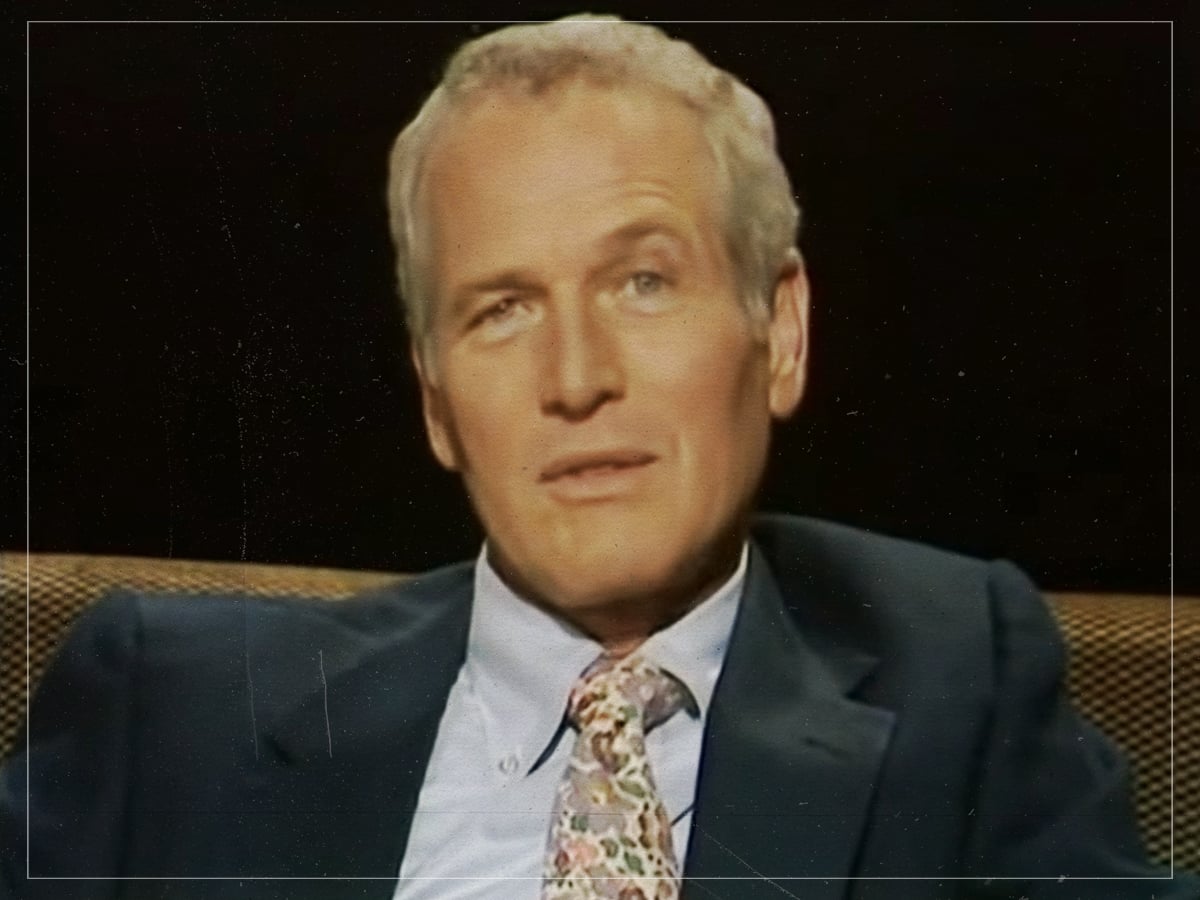
By the time he finally won his long-awaited Academy Award, Paul Newman was under the impression that the opportunity had passed him by, especially when he’d been given an honorary prize the year before.
In most cases, when the Academy rewards someone for their lifetime of achievement in front of the camera, it means that their goose is cooked for claiming the real thing for a performance. Newman made a mockery of the notion, right enough, but he could have done it a decade earlier.
It was a running joke at home, which the legendary star may not have found all that funny, that his wife, Joanne Woodward, was an Oscar-winning actor, taking home the prize on her very first nomination for 1957’s The Three Faces of Eve. Meanwhile, her husband had gone home empty-handed seven times before Martin Scorsese’s The Color of Money finally landed him the big one.
However, things could have been very different. Not only was Newman effectively begged to get involved in a 1976 classic, to the extent that he was offered literally any part of his choosing, but the role he was being coveted for the most didn’t just win an Oscar; what sealed the deal was one of the most iconic scenes of the entire ‘New Hollywood’ era, if not all time.
Peter Finch made history of the wrong kind when his titanic turn as Howard Beale in Sidney Lumet’s Network saw him become the first actor to win a posthumous Oscar, with his victory announced onstage at the 49th edition in March 1977, two months after his death at the age of 60.
During his signature scene, his cry of, “I’m as mad as hell, and I’m not going to take this anymore!” became Network‘s defining moment and one of the most seminal soundbites in modern cinema. Had screenwriter Paddy Chayefsky, who also won an Oscar for his script, gotten his way, though, it would have been Newman losing his cool in that unforgettable moment.
“All other factors remaining constant, Sidney Lumet will probably direct this picture,” Chayefsky wrote Newman in May 1975. “As far as Sidney is concerned, you can have any part in this picture you want. From the selfish interest of the production, however, I’d like you to consider the part of Howard Beale.”
Further reading: Cutting Room Floor
Attempting to appeal to both Newman’s ego and his love of challenging himself onscreen, the scribe described it as “the most difficult part to cast; you and a very small handful of other actors are the only ones I can think of with the range for this part.” Unfortunately for him, the Butch Cassidy and the Sundance Kid favourite turned it down.
You can’t fault Chayefsky for going all-in, since he also said he “would consider it a privilege to have you star in anything I write,” but the charm offensive didn’t work, and it’s enough to leave you wondering about how Newman felt watching Finch win an Oscar for a role he’d rejected, especially when his sole release of 1976 was Robert Altman’s flop western, Buffalo Bill and the Indians, or Sitting Bull’s History Lesson.
