
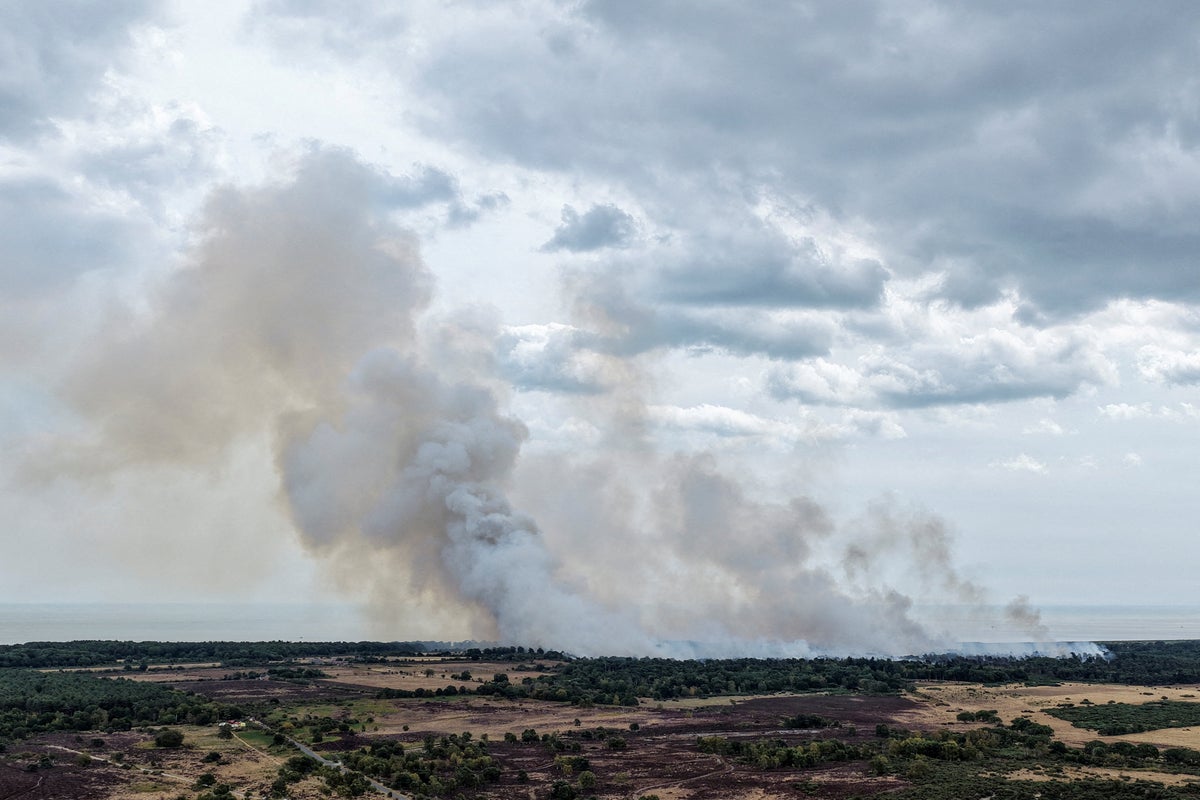
With wildfires raging across parts of France, Spain and most recently Suffolk, experts have warned these climatic hazards are no longer “once in a generation” events. But even if you are not living close by to wildfires, they could pose health risks beyond the immediate danger of a spreading blaze.
Dr Kim van Daalen, an environmental epidemiologist at the University of Cambridge, says that wildfires can have a range of impacts on both physical and mental health. And. while some of these effects are immediate and obvious, the particulate matter present in the smoke could also have far-reaching impacts on those living miles from the fire itself.
The invisible dangers of travelling smoke
Within the smoke from wildfires are minuscule solid or liquid particles called PM 2.5. This is one of the greatest health concerns related to these events. “PM2.5 is what we call fine particulate matter,” Dr Van Daalen explains. “These are very small particles, a fraction of the width of a human hair, that can infiltrate the lungs and even get into the bloodstream.”
It is not just in areas covered by smoke where this is a factor, either.
“What people don’t realise is that wildfire smoke can travel a lot further than just where the fire zone is,” Dr van Daalen continues. “People multiple miles away may be exposed to these smoke particles. Sometimes you can see the fumes and you know that you’re exposed. But many times we’re exposed to these particles without even knowing it, and it can still affect our health in a range of different ways.”
Exposure to smoke and this particulate matter has many expected impacts, such as hampering our ability to breathe and increasing incidences of asthma attacks. But there are also less obvious effects.
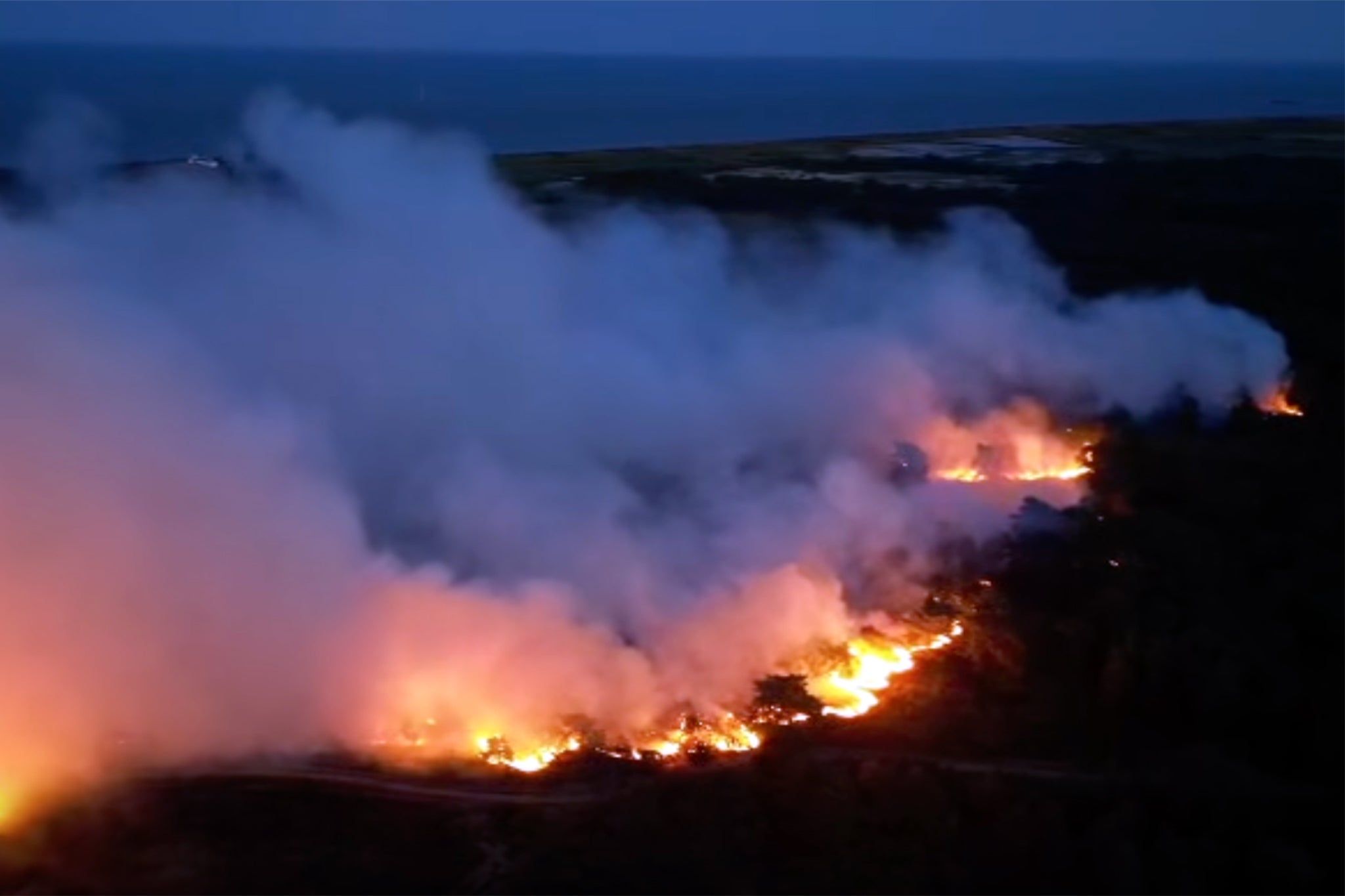 A huge wildfire in Suffolk has sent clouds of smoke into the air this week (Suffolk Fire & Rescue)
“It can result in inflammation, oxidative stress and blood vessel damage, and eventually that can lead to a range of different outcomes, like narrowing of the arteries, raised blood pressure or triggering heart arrhythmias,” says Dr Van Daalen. There is also an increased risk of blood clots, heart attacks and strokes.
“When we think about air pollution, there are acute effects that happen soon after we are exposed to it. But there are also long-term effects. If we are exposed to high levels of air pollution over multiple years – from sources such as fossil fuel combustion and traffic, as well as wildfire smoke – it places chronic stress on the body and can have further adverse impacts on our health.”
Read more: The heatwave hangover: What the high temperatures are really doing to your body
PM 2.5 from wildfires can travel hundreds of miles, says Dr van Daalen. “But this depends on meteorological conditions such as wind direction and speed, atmospheric stability and surrounding terrain – mountains and valleys tend to ‘trap’ the smoke.”
In the aftermath of the 2023 Canadian wildfires, a study identified a tangible rise in asthma-related emergency departments across the east coast of the US, many hundreds of miles away from the site of the fires.
You can track wildfires and the areas impacted using the European Forest Fire Information System website.
Read more: Britain is suffering a mass sleep-deprivation event – here’s how your body can cope better
The impact on our mental health
Wildfires do not just impact our physical health. The resulting mass evacuations, loss of homes and livelihoods and uncertainty can also affect our mental health.
“Eventually, this can contribute to anxiety and depression,” says Dr Van Daalen. “Experiencing a traumatic event such as losing your home in a wildfire can result in PTSD.
“There is quite a large body of literature now describing how climate-related migration or evacuation can influence mental health outcomes.”
Read more: UK’s record-breaking heatwaves led to almost 3,000 deaths
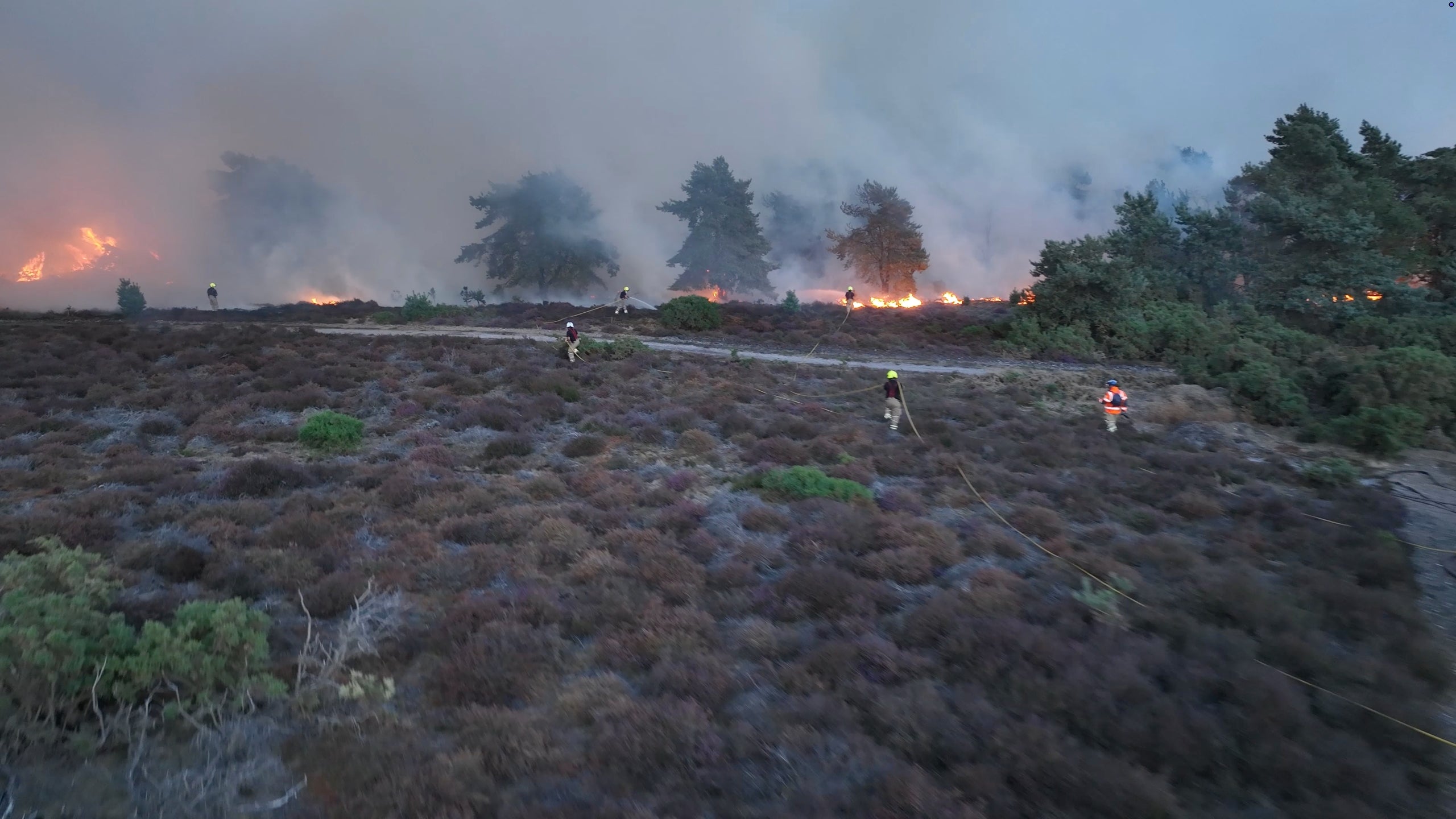 Several people were evacuated as a result of the Suffolk wildfire, with many more forced to move due to fires elsewhere in Europe (PA)
Other hidden ways heatwaves can be a health hazard
In the high temperatures we have seen this summer, it is not just wildfires that impact our health. The heatwaves that hit the UK in recent months can also take their toll.
“When it’s hot, we feel uncomfortable, and that can mean we don’t sleep as well as we would normally,” Dr Van Daalen says. “If this continues for a long time, it can adversely impact our mental health in a number of ways: things like increased symptoms of low mood and depression.”
The best-known physical health impacts of heatwaves are heat exhaustion and heatstroke. The latter, Dr Van Daalen says, is a medical emergency, and it is important to know the difference between the two.
Heat exhaustion is the body struggling to cool itself down effectively and cope with high temperatures. Symptoms include tiredness, weakness, feeling faint, headaches, muscle cramps, feeling sick, heavy sweating and intense thirst, according to the Centre for Climate and Health Security (CCHS).
Children and infants, pregnant women, people aged 65-plus and those with chronic medical conditions are at greater risk of heat exhaustion, as they are more likely to struggle with temperature control and hydration.
To counter heat exhaustion, the CCHS recommends moving to a cooler place, removing unnecessary clothing, drinking cool water or a rehydration drink, eating cold and water-rich food like ice lollies, and applying cool water to exposed skin via a spray or sponge.
Without intervention, heat exhaustion can lead to heatstroke, which is where “the body is no longer able to cool down and the body temperature becomes dangerously high”. Heatstroke can also develop rapidly, meaning heat exhaustion symptoms are “absent or go unnoticed”, Dr van Daalen warns.
Symptoms include confusion, lack of co-ordination, a fast heartbeat, shortness of breath, hot skin that is not sweating and seizures. If someone is suffering from heatstroke, you should call 999.
“These things are rarely happening in isolation,” Dr van Daalen adds. “People may be exposed to heat and wildfire smoke at the same time. There’s evidence to suggest that when we are exposed to air pollution and heat, or multiple climatic hazards at the same time, that increases any adverse health conditions even more because they all put stress on the body at the same time.”
Read more: How to deal with ‘doomism’ when it feels like the world is ending
 The UK has been hit by several heatwaves this summer – making many of its grassy areas a tinderbox waiting to be lit (Getty)
How to reduce the health risks of a heatwave
The most effective thing we can do to combat the negative health effects of heatwaves and wildfires is reduce our exposure to them.
“For example, in heatwaves, we want to make sure we hydrate well and do not go outside or do intense physical activity during the hottest part of the day,” says Dr Van Daalen.
“Try to keep your home as cool as you can, which can be quite difficult in the UK because houses are designed to keep heat in. Keeping your curtains and windows closed when the air temperature is hotter than the inside temperature can help keep temperatures quite cool.
“And if you are experiencing symptoms of heat exhaustion, take steps to cool down as soon as possible.”
With studies showing that breaking the 32.8C May record set in 1922 and 1944 is around three times more likely now in our current climate than it would have been in a natural climate not impacted by greenhouse gas emissions, what was around a 1-in-100-year event is now estimated to be around a 1-in-33-year event.
If we are to protect ourselves, we need to think about adjusting our lifestyles in a broader way than just getting air-conditioning. There are also preventative measures we can take to fight any unwanted and adverse health effects of increasing temperatures.
“Stay up to date with the heat health alerts the government is putting out, and air quality monitoring [on the DEFRA website] if you are close to an area in which the smoke from a wildfire might reach you,” Dr Van Daalen advises. Well-fitted N95 masks, like those worn by many during the Covid-19 pandemic, can also reduce exposure to some forms of particulate pollution in areas with poor air quality, Dr van Daalen adds.
“Of course, another way we can prevent a lot of the adverse health outcomes of heatwaves and wildfires is by reducing our greenhouse gas emissions and making sure we try to keep global warming to below 2C as much as possible,” Dr van Daalen says.
Read more: The heatwave mind warp is real – here’s how it is affecting us all