
A new CQC report rates the hospital and its surgery department as “requires improvement” for safety and leadership, warning there is an increased risk patients could be harmed.
It says long‑standing problems in operating theatres and wards have not been fixed, despite being raised with hospital bosses for several years.
The report also contains extensive praise for frontline staff and the quality of care.
The Care Quality Commission (CQC) visited the hospital’s theatres and surgical wards on 16–17 September 2025, triggered by an “aged” 2018 inspection, and rated surgery overall as “requires improvement”, pulling the trust’s overall rating down from “good”.
In its LAP assessment report, the regulator says there are breaches of regulations on Safe Care and Treatment and Good Governance and warns that “some aspects of the service were not always safe” with an “increased risk that people could be harmed”.
While Salisbury NHS Foundation Trust remains “good” for effectiveness, caring and responsiveness, both the hospital and its surgical division are now rated “requires improvement” for the safe and well‑led categories.
Inspectors highlight significant problems with the physical environment and storage in theatres, where sterile packs of surgical instruments and equipment were being stored in corridors and on open racking in both the main theatre suite and the day surgery unit.
Best‑practice guidance says sterile packs should be kept in well‑ventilated areas to protect their integrity, but the CQC found heavy packs stacked on top of each other, damaging the wrapping so staff could not be sure the contents were still sterile and forcing extra checks before packs went into surgery.
The report notes that these storage and environmental issues — including limited space, extension leads used to power equipment and restricted access to gas safety valves — were first raised in 2018 but remain unresolved in 2025.
Plans for a new theatre suite with additional storage have stalled because of funding, and although the trust has increased fire‑safety walk‑rounds and training, the CQC says the risks persist.
Bed pressures and poor patient flow are another concern. Inspectors found some patients were kept in recovery for up to four hours awaiting a ward bed, with the main theatre reception area being used to admit and discharge patients before and after surgery.
Curtains around bed spaces did not provide enough privacy for clinical conversations, and delayed transfers from the emergency department meant patients often spent more than four hours in A&E after a decision to admit.
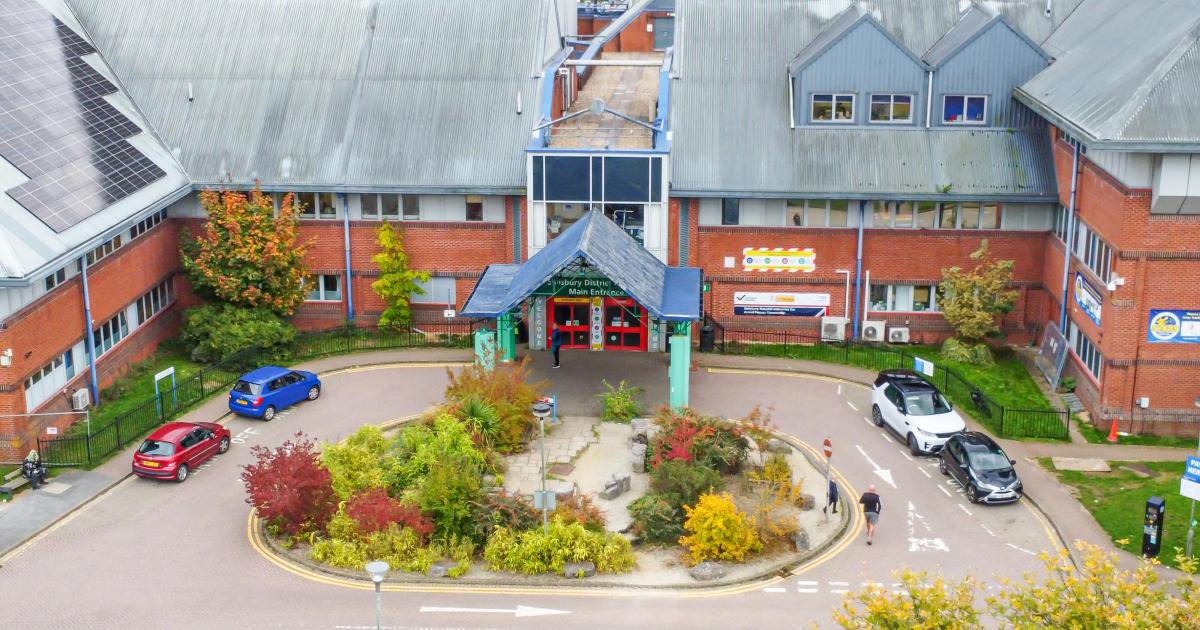
Salisbury District Hospital (Image: Newsquest)
Record‑keeping around venous thromboembolism (VTE) risk is also criticised. Reviewing 31 patient records, the CQC found inconsistent documentation of VTE assessments due to problems with the electronic patient record system used by the trust.
All patients had been prescribed blood‑clot prophylaxis appropriate to their clinical presentation, but inspectors say decisions were “not based on the patient’s individual assessed needs” and warn patients may have received medication unnecessarily because formal risk assessments were missing.
The trust has commissioned a new electronic patient record to replace the current system, due for implementation in April 2026, and introduced monthly audits to track VTE assessment compliance, but the CQC says these measures do not fully resolve the immediate risk.
On governance, the report says surgery has established committees, risk registers and regular divisional meetings, but questions the effectiveness of leadership in getting persistent problems fixed.
Risks such as damaged sterile packs and fire hazards from extension leads have been on the register since December 2023 with documented actions, yet remain open with “no long-term plan”, and divisional leaders are described as “not always effective” in influencing trust‑level decisions.
Safeguarding training compliance is below the trust’s 85 per cent target, with adult levels 2 and 3 at 79 and 41 per cent respectively, and the e‑learning system makes it difficult to track completion by staff group.
Managers told inspectors they maintain their own oversight of individual training and were confident frontline staff understood safeguarding and knew how to raise concerns, but the CQC calls for better system‑level data and visibility.
Medicines optimisation is rated as showing “some shortfalls”, with the clinical pharmacy team reconciling medicines within 24 hours of admission in around 30 per cent of cases against a 100 per cent national target, though this performance is broadly similar to peer trusts.
Pharmacy is embedded in surgical pre‑assessment, and inspectors heard examples of pharmacists proactively working with GPs and patients to adjust medicines ahead of surgery, including for people with substance‑misuse treatment needs.
Despite the downgrade, the report contains extensive praise for frontline staff and the quality of care. Patients and relatives told the CQC they were treated with kindness, dignity and respect, and that communication was good and they felt included in decisions.
Friends and Family Test data shows 98 per cent of responses for the day surgery unit and 96 per cent for surgical inpatient wards were positive between October 2024 and October 2025, and caring remains rated “good”.
Clinical outcomes are also strong in some areas. Data submitted to the National Hip Fracture Database shows Salisbury exceeding national averages on key metrics, with 98 per cent of patients receiving prompt orthogeriatric review compared with 89 per cent nationally, and 77 per cent having timely surgery against a national figure of 57 per cent.
The hospital participates in national audits and uses mortality and morbidity meetings to review cases and drive learning, with inspectors describing a “proactive and positive culture of safety” at ward level.
Nursing staffing in surgery is generally stable, with vacancy rates reported as zero in the day surgery unit over the 12 months before inspection and overall turnover around seven per cent, although theatre staff raised concerns about cramped working conditions and the impact on morale.
Salisbury NHS Foundation Trust has been ordered to submit an action plan setting out how it will address the CQC’s concerns and deliver immediate improvements in safety and governance.
The CQC says it will continue to monitor progress and may return to check whether promised changes to storage, VTE documentation and bed flow have been put in place.
A spokesperson for Salisbury NHS Foundation Trust said: “We acknowledge the findings of the Care Quality Commission following its inspection of surgical services at Salisbury District Hospital in September 2025 with the service rated good for being effective, caring and responsive and requires improvement for safety and being well led. We accept the areas identified for improvement.
“We are pleased that the report also recognises the commitment of our staff and highlights areas of high-quality care being delivered for patients at Salisbury District Hospital.
“We have already taken action in response to a number of the issues raised, with further improvements under way. This includes work to strengthen arrangements within our theatre environment, where plans are progressing. Longer-term improvements to our day surgery services will also be supported by the new Diagnostic and Surgical Hub once completed.
“The change in the overall location rating reflects both the most recent surgical services inspection and a correction by the Care Quality Commission to the way historical ratings had previously been aggregated.
“We remain absolutely committed to providing safe, effective, patient-centred and compassionate care for our patients, and will continue to work closely with colleagues, partners and regulators to drive further improvements.”