
Credit: Far Out / Alamy
Sat 1 August 2026 13:00, UK
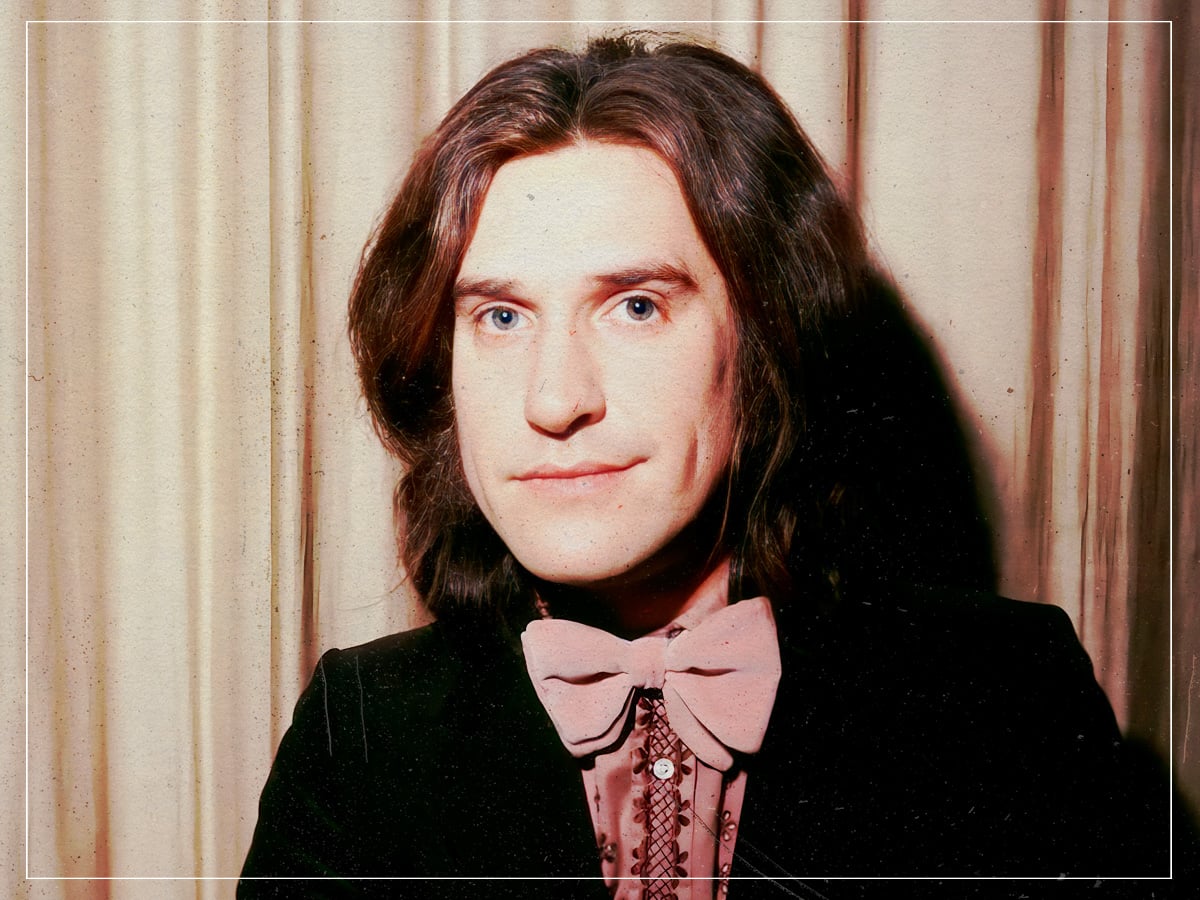
Hit singles have always been the bread and butter of the music industry, but back in the 1960s, artists like Ray Davies began to view the necessity of those two-minute commercial smashes as a hindrance to the artistic vision of The Kinks, rather than being something to aim for.
During the very early days of The Kinks, Davies would have given his right arm for a chart success. After the band’s first two singles flopped in 1964, the group were at serious risk of being dropped by their label, Pye, if they couldn’t produce a hit. Luckily, for everybody involved, their next effort was the seminal ‘You Really Got Me’, which immediately rose to number one in the singles charts, and went on to define the British rock and roll sound of the mid-1960s.
In the wake of that incredible success, another band might have devoted the rest of their career to churning out countless copycat singles of diminishing quality in an effort to recapture that chart success. While, admittedly, a few of The Kinks’ follow-up singles bore a stark resemblance to ‘You Really Got Me’, that era didn’t last overly long before the artistic ambitions of Ray Davies took the band in an entirely different direction.
There was, after all, a shift occurring in the musical landscape of the 1960s, wherein groups like The Beatles suddenly shifted their attention from creating hit singles to carving out expansive, innovative LPs. Davies was keen to follow suit, with their 1968 album The Village Green Preservation Society, along with the subsequent Arthur, catapulting The Kinks into what would soon be known as ‘the album era’.
With their explorations of misplaced patriotism, the imagined idealism of middle England, and the omnipresence of the class system, those records were incredibly ambitious in their content, and they weren’t exactly positioned with the pop charts in mind. As Davies put it, “Arthur wasn’t a singles album, nor was Village Green, and they didn’t sell as well as an album with a bunch of singles on it”.
The group’s 1968 record was their first album not to reach the UK charts, and Arthur fared no better. Seemingly, the masses weren’t ready to hear Davies’ musings on the history and lasting impact of the British Empire, but the songwriter wasn’t overly concerned about the wants and desires of the masses at that time.
“I saw the future and lots of other bands eventually did their version of what I was doing,” the songwriter affirmed, affirming his undeniable influence on the ‘album era’, even if those seminal recordings didn’t court the attention of the pop charts, “People called it [Arthur] a concept album, but it was more of a rock documentary based on reality”.
Further reading: From The Vault
Unsurprisingly, therefore, Arthur became a lauded masterpiece among its cult audience and fellow artists, with the likes of The Who borrowing some of its inspiration for their own masterpieces in the form of Tommy or Quadrophenia, both gold standards for the landscape of rock operas.
The Kinks’ reinvention as an album band might not have earned Ray Davies much in the way of royalties or Top of the Pops appearances, but in the grand scheme of things, it is better for an artist to be ahead of their time than a short-lived pop success.
ADD AS A PREFERRED SOURCE ON GOOGLE  The Far Out Classic Rock Newsletter
All the latest Classic Rock content from the independent voice of culture.
Straight to your inbox.