
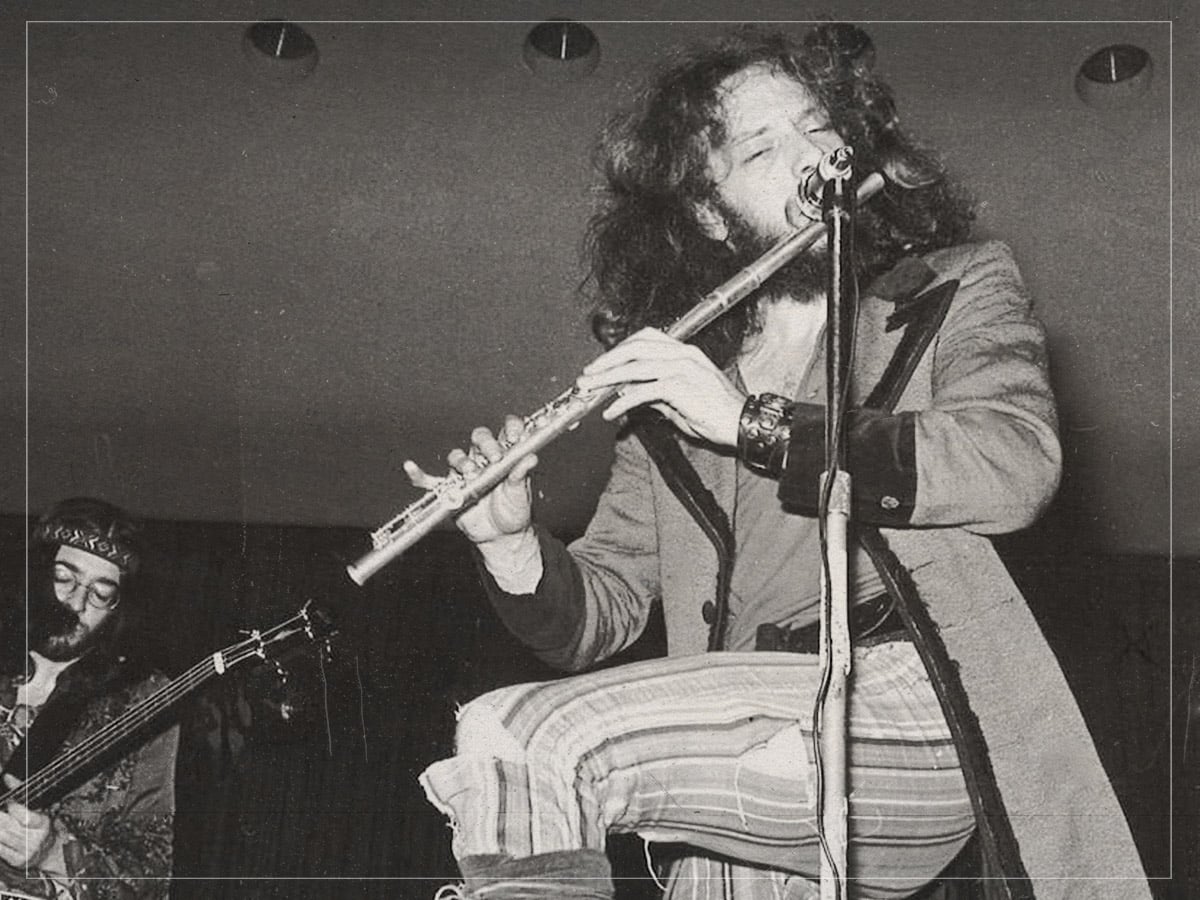
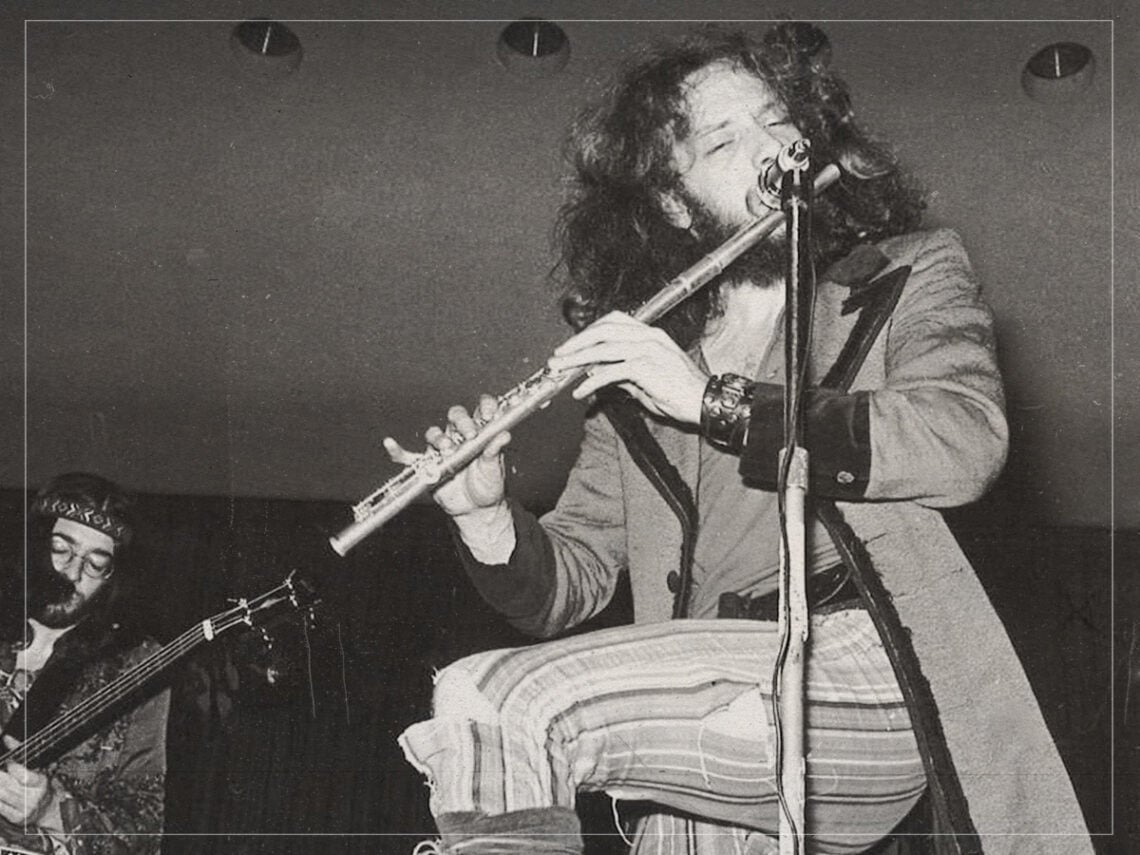
Credit: Far Out / Picryl
Sat 1 August 2026 15:15, UK
Towards the back end of the 1960s, after feeling inspired by bands like The Nice, The Beatles and Pink Floyd, Ian Anderson decided it was time to try his hand at music full-time.
The tights-wearing flute-playing prog rocker certainly pushed the boat out when it came to putting together different tracks and attempting to nail prog during a time when the genre didn’t really have any strict parameters. However, after a few years of releasing music and performing live, it became clear to him that there was potential within the industry, and maybe he could stick around for a while.
“By 1971, ’72, I thought, ‘Well, things are going OK. You know, with a bit of luck I could continue to do this as a life’s work rather than just a few years of heady youth’,” said Anderson during an exclusive interview with Far Out, “Luckily, in the world of art and entertainment, we frequently are able to die with our boots on in the sense that we are not going to have retirement forced upon us like a British Airways 777 pilot or an astronaut…or a racing driver. I mean, there comes a point when, you know, you’re going to be told ‘Hang up your hat, it’s over’, but luckily in terms of what I do, that doesn’t happen.”
He mentions 1971 specifically, a quintessential year for Jethro Tull that saw them release one of their biggest tracks, ‘Aqualung’. When people read the prog rock history books, this is a track that will have its own chapter dedicated to it. It’s a flamboyant song with different parts and a strange vocal rhythm, but it also acts as a reminder that prog rock tracks can carry a message as well as being out there songs.
It was the societal meaning that Ian Anderson points toward when describing why the song continues to do so well. Issues surrounding poverty and homelessness are still massive talking points around the world, and as such, despite the track being written decades ago, it continues to carry massive weight.
“I believe the sentiments of the song are as obvious now as they were in 1971 because the issue of homeless people hasn’t gone away,” said Anderson, “You still see them everywhere. In the 1950s and ’60s, we called them tramps, but they were harmless. Now, as so many are on the streets due to drug problems or sexual exploitation, it has become, if anything, more worrying. All of which makes ‘Aqualung’ so relevant.”
Of course, with this longevity also comes a bit of an issue. Ian Anderson has never been one to remain stagnant within his career, always looking for fresh new ideas, and that’s reflected in Jethro Tull’s pretty extensive discography. Look through the different albums they’ve put out, and you’ll struggle to come across a genre that hasn’t at least been touched upon a little bit.
Further reading: From The Vault
The issue lies in the fact that no matter what kind of sound or concept Ian Anderson is going for, when it comes to playing live, there are some songs that simply need to be included on the setlist. Amongst them are the likes of ‘Locomotive Breath’, ‘Living in the Past’, and of course ‘Aqualung’. He talks of some fondly, while some he says should be retired a little while, and it becomes quite clear that the only reason ‘Aqualung’ continues to make its way into the setlist is because fans expect it, and he doesn’t think a Jethro Tull show would be complete without it.
“‘Locomotive Breath’ is OK. ‘Living in the Past’ is one that’s due for a little light retirement for a year or so. ‘Aqualung’ has palled a bit in recent months, but somehow it’s a song that a Jethro Tull concert would be incomplete without,” he said, “Realistically, out of over 200 songs we’ve recorded, only 25 per cent are useful live-performance songs.”
