
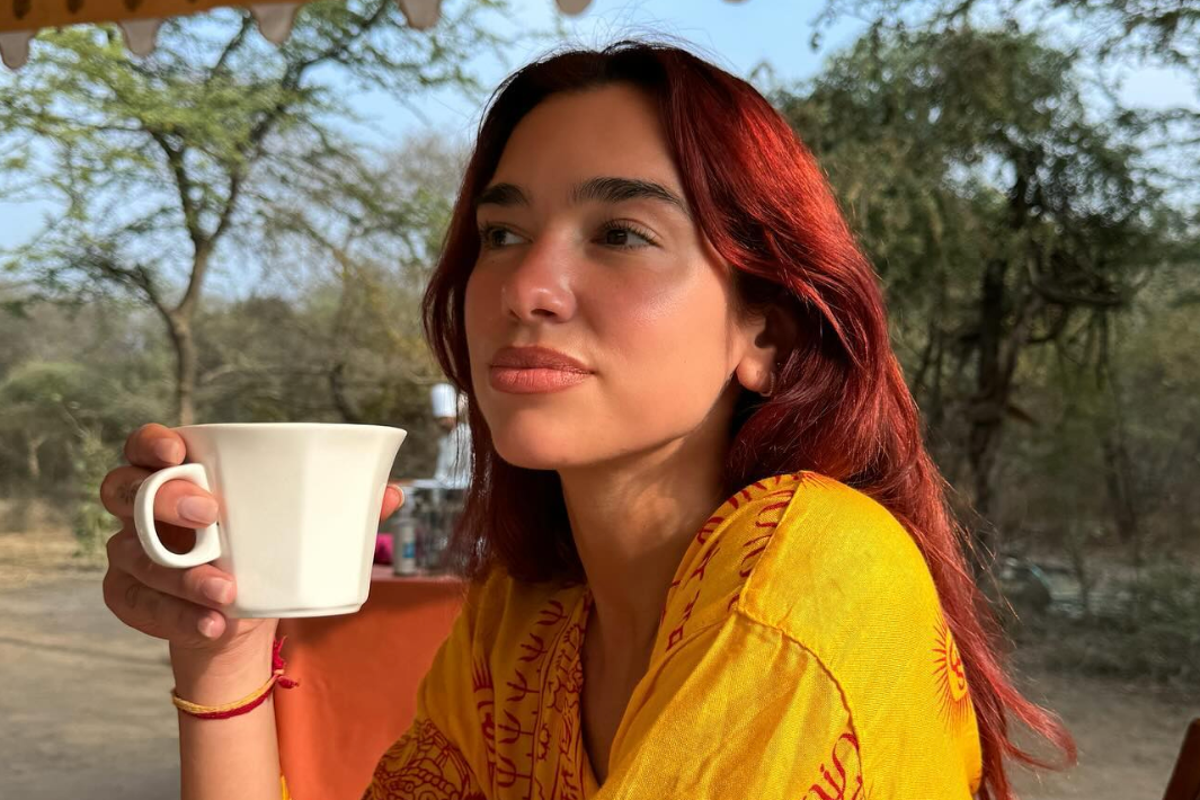
In Britain, no misfortune is so large or so embarrassingly small that somebody will not attempt to steep it in boiling water. A road accident, a bereavement, a breakup, a bad day at work: the prescription is broadly the same. Sit down. You’ve had a shock. I’ll put the kettle on.
The instinct appears to be surviving even among a generation supposedly more interested in iced matcha than builder’s tea.
According to research commissioned by Twinings, 47 per cent of 18- to 27-year-olds said they favoured tea over alcohol when preparing for a daunting occasion, while 60 per cent made a cup to get themselves mentally ready for an important event.
First dates, exams, driving tests, difficult meetings and the return to an inbox after a holiday all apparently call for what the company has termed a “preparation brew”.
While research commissioned by a tea company discovering that young people like tea should be approached with the same caution as a study by Greggs establishing the restorative properties of sausage rolls, this is not an entirely modern invention. For much of the 20th century, sweet tea was regarded not merely as comfort but as something close to first aid.
A British army field surgery pocket book published in 1950, drawing on experience from the Second World War, instructed medical officers to make wounded men comfortable, warm them gently and, where there was no contraindication, give them “hot sweet tea, food, cigarettes”. Sounds like a Wednesday afternoon to me.
“An atmosphere of cheerfulness” was to pervade the regimental aid post, which makes it sound more like a village fete than a frontline hospital. Still, the message was clear: stop the bleeding, apply the splint, then get a brew on.
A 1944 War Office training film about field psychiatry offers the same treatment for soldiers hollowed out by battle. One shaking man is given soup and tea to wash down barbiturates. Others suffering from anxiety, exhaustion and depression receive hot sweet tea, food and sedatives. An old man emerges dusty and distressed from an air raid and is offered a bath and tea. The film notes that in battle there would be no baths or tea, as concise a British definition of hell as any.
There was practical sense behind it. Tea was familiar, cheap and easily prepared in barracks, hospitals and bomb shelters. Hot liquid warmed cold hands. Sugar supplied fast energy to people who might be exhausted, hungry or shivering. Caffeine encouraged alertness. Most importantly, it was available. Medicine has always been influenced by what happens to be in the cupboard.
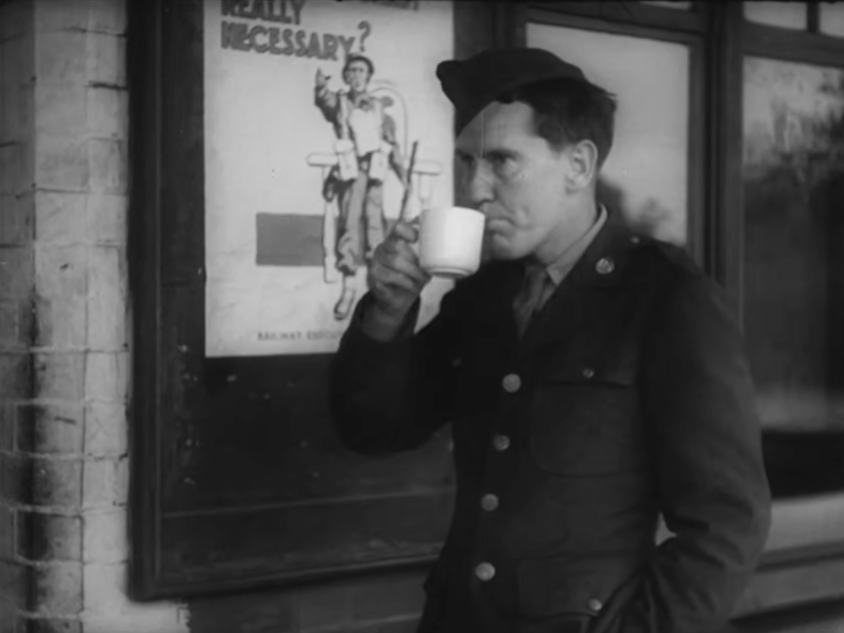 Keep calm and put the tea on: brews feature in war training videos (this one featuring actor Burgess Meredith) as a way of calming the nerves (Imperial War Museum)
The sweet tea of emergencies survived the war and wandered into ordinary British life. It was given after fainting, after a fright and after any incident serious enough to attract a neighbour in a dressing gown. Somewhere along the way, medical shock and emotional shock became folded together. Both left you pale, shaky and saying you were fine when plainly you were not; both apparently called for tea the colour of a builder’s boot.
Medicine, obviously, now draws a firmer line. Clinical shock is not simply feeling stunned. It is a life-threatening failure of the circulatory system to deliver enough oxygenated blood to the organs, often after severe bleeding, burns, infection or an allergic reaction. NHS advice is to call 999, treat obvious injuries, keep the casualty warm and reassure them. It also says not to give them anything to eat or drink. In a serious accident, the blanket survives; the tea does not.
So has the restorative cuppa been exposed as folk medicine, to be filed alongside brandy for a cold and butter on a burn? Not entirely. Tea cannot correct blood loss or mend a broken heart, but there is evidence it can help the body recover after everyday stress.
In a randomised UCL study, 75 men spent six weeks consuming either a black tea mixture or a caffeinated placebo, then underwent stressful tasks involving unemployment and accusations of shoplifting – an unusually elaborate way of asking whether someone fancies a brew.
Both groups became similarly stressed. The difference came afterwards: 50 minutes later, cortisol had fallen by an average of 47 per cent in the tea group, against 27 per cent in the placebo group. Tea did not prevent the alarm; it appeared to help the body stand it down.
Which is not quite the same as saying tea calms you down. A cuppa is not Valium with a biscuit. It contains caffeine and can be stimulating, even unhelpfully so for somebody already vibrating with nerves.
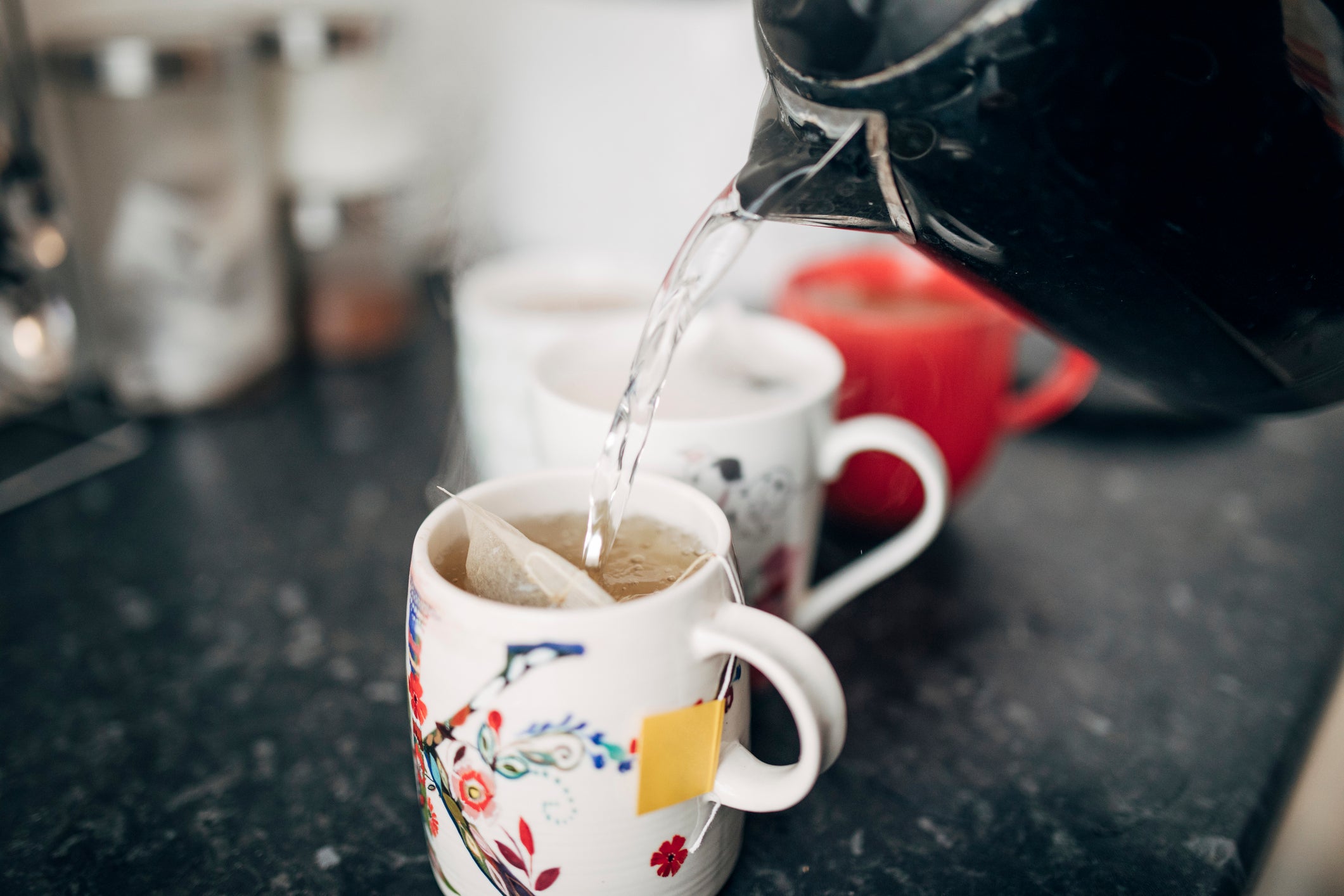 Filling the kettle and waiting for it to boil can turn panic into a sequence of manageable tasks (Getty/iStock)
Nor can the effect be confidently assigned to L-theanine, the amino acid routinely recruited to sell “calm” teas. A review of 31 randomised trials involving more than 1,100 people, published in July, found that a single dose produced only a modest reduction in acute stress, and that result was largely driven by studies considered at high risk of bias. Its clearest benefit was not tranquillity but attention. Calm, it seems, remains a better marketing word than scientific conclusion.
Most of those trials also involved concentrated L-theanine supplements, not somebody dunking a teabag into a mug. Studies using actual tea are fewer, smaller and occasionally rather specific. Low-caffeine green tea has been associated with reduced stress markers and better sleep in a trial of 20 middle-aged adults. Another study involving 20 young men repeatedly doing mental arithmetic found that green tea and roasted hojicha appeared to improve task performance, refreshment and feelings of recovery from fatigue compared with hot water.
The older British cup was a general practitioner: breakfast, elevenses, visitors, overtime, illness, grief. The modern tea shelf resembles a row of consultants…
There are similar hints elsewhere: matcha may support concentration under psychological stress, while green tea’s aroma has itself been investigated for effects on mood and relaxation. None of it amounts to proof that one mug handed over after a car crash, redundancy or disastrous first date will switch off the nervous system. The samples are small, the situations artificial and the benefits scattered across different teas and measurements. But they do suggest tea may be rather better at helping us remain alert, feel refreshed or recover afterwards than at making distress disappear.
Much of the comfort may begin before the first sip. The kettle must be filled. Water boils. Tea brews. Milk is negotiated. For several minutes, the crisis is broken into small, manageable jobs. The maker has something useful to do; the recipient is allowed to stop doing anything at all. The mug places warmth in the hands, creates a pause and promises that someone will remain nearby at least until the mug is empty.
That may explain why the ritual has endured even as tea has lost its old chokehold on British daily life. Coffee has all but caught up as the everyday drink. YouGov found that 41 per cent of British adults drank tea at home or work at least twice a day, compared with 40 per cent for coffee. Less a rout than a dead heat, but it would once have been culturally unthinkable.
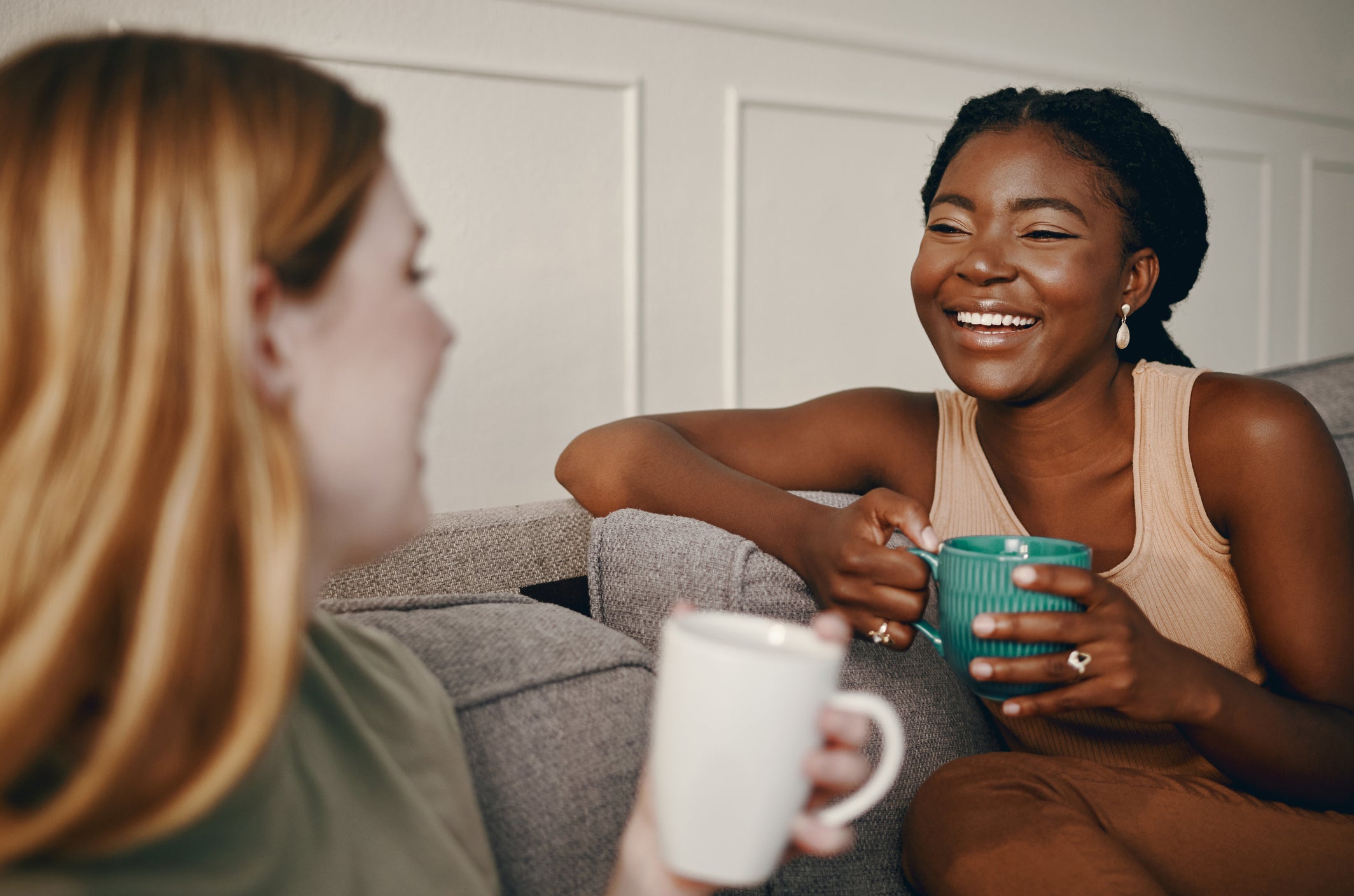 Younger drinkers may choose tea less often, but do still reach for it before stressful moments (Getty/iStock)
The generational divide is sharper. Only around one in 10 Gen Z adults drink tea daily. Those who do, however, range more widely: green, fruit, herbal, iced and matcha sit alongside English breakfast. One survey found that black tea remained the principal choice for 86 per cent of over-65s but 63 per cent of 18- to 24-year-olds. Younger drinkers have not so much abandoned tea as made it apply for several different jobs.
The older British cup was a general practitioner: breakfast, elevenses, visitors, overtime, illness, grief. The modern tea shelf resembles a row of consultants. Matcha for focus. Peppermint for the stomach. Ginger for immunity. Camomile wheeled out at bedtime in a mug decorated with moons and an implied threat to put the phone down.
Even here, the science is less dreamy than the packaging. A 2024 review found camomile may reduce waking after falling asleep, but did not clearly improve total sleep duration or daytime functioning.
Tea remains mainly a morning drink: in an industry-commissioned survey of 1,000 British adults this year, 59 per cent said they drank it most in the morning, compared with 10 per cent in the evening. Yet its most powerful cultural appearances are rarely about thirst. They come at thresholds: waking, pausing, arriving home, receiving news, beginning a difficult conversation or ending a difficult day.
The mistake is to confuse comfort with cure. Sweet tea should not be poured into someone who is seriously injured, unconscious or in clinical shock. It will not treat trauma, replace emergency care or turn a breakup into character-building by the bottom of the mug.
But the old instinct was not wholly foolish. Britain may no longer drink one standard brew from breakfast to bedtime. Coffee owns more of the morning, matcha has taken over the gym bag, and camomile has been put in charge of sleep.
Yet when somebody has crashed the car, lost a job, ended the relationship or returned from work announcing that everyone is an idiot, the old medicine comes back: hot, strong, often sweet and made by somebody else.