
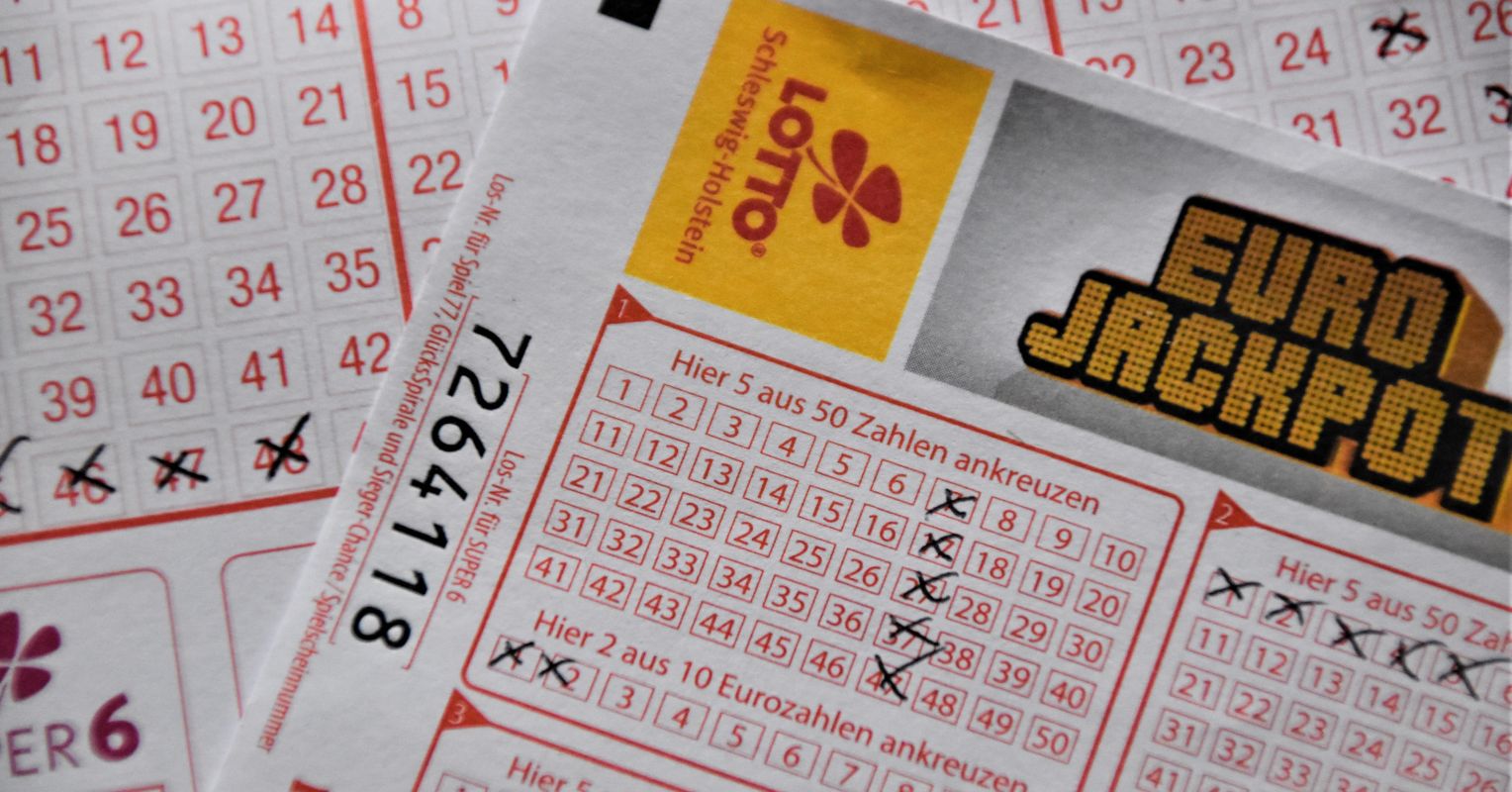
I once ran into a student at a gas station, buying a lottery ticket. When I asked why, he offered a perfectly constructed explanation: He had an exam the next morning, and it was, he said, statistically impossible to have two pieces of bad luck in one day. Either he would pass the exam, or he would win the lottery. The odds of both failing were simply too low. (The clinical scenes that follow draw on experiences across multiple patients; identifying details and circumstances have been combined and altered.)
He knew plenty about probability—his chance of winning was vanishingly small, and he could recite it. So why spend the money? Perhaps that was the ticket’s real value. It could not meaningfully improve his odds—but it gave him another imaginable route to a good tomorrow. For an anxious mind, that can feel like relief.
He was wrong, of course—chance keeps no ledgers. But he was entirely human. And that brand of wrong is worth taking seriously, because on another night, in another life, it does not cost a few dollars. It costs everything.
The Man Who Had It Under Control
Around the same period, I met a couple, married just over a year, whose marriage was already straining under his drinking. He assured me—with complete sincerity—that he would never become addicted. He had it under control. He exercised almost daily; surely that protected him.
I told him what my clinical work keeps teaching me: I have never met a single person who started drinking, using drugs, or gambling with the intention of becoming addicted. Again and again, patients I have treated for addiction have described some earlier version of the same belief: I can control this. It will not happen to me.
He nodded. He heard me. He did not believe me.
I pointed out that exercise, for all its value, does not make the nervous system immune to alcohol. He was treating good health in one domain as insurance against risk in another, as though fitness earned him a waiver that biology never issues.
The Psychology of “Not Me”
Here is the thread connecting a lottery ticket to the tragedy this post is heading toward: Knowing that a risk exists is psychologically different from experiencing oneself as someone to whom the risk can happen. Several distinct mechanisms feed that gap; they’re related, but not interchangeable.
The student illustrates the first: our difficulty accepting independent chance. His “two bad lucks can’t happen in one day” resembles the gambler’s fallacy described in the heuristics-and-biases literature: the expectation that unfavorable outcomes should somehow balance themselves out over short stretches (Tversky & Kahneman, 1974). Chance has no memory; the exam and the lottery were never in conversation.
The bridge between the gas station and what follows is unrealistic optimism. In classic studies, people systematically judged their own likelihood of negative life events—illness, accidents, addiction—as lower than that of comparable others (Weinstein, 1980). Knowing the population’s risk, it turns out, is one thing; believing oneself personally subject to it is another. I am different. The numbers describe other people. This is not arrogance; it is self-protection—acknowledging vulnerability would mean facing the anxiety we are trying to escape.
The husband shows the dangerous form of that exemption and one route people take to it: the illusion of control. His exercise reasoning was exactly this move. Langer (1975) showed that people can experience a sense of control even when outcomes are governed largely or entirely by chance. “I take care of my body, therefore I can control this risk” converts a general danger into a personally managed one. The exemption feels earned. It is not.
One further mechanism becomes relevant specifically in addiction: delay discounting, the tendency to value immediate rewards disproportionately over delayed consequences. A large meta-analysis found this tendency reliably steeper across addictive behaviors (MacKillop et al., 2011). The drink offers something now; many of its costs arrive later, and the ledger is settled against a future that may not honor the repayment plan.
Addiction Essential Reads
The Recalculation That Never Came
Nearly two years passed. I thought little of either conversation until the wife walked into my office alone.
Her face told the story before she spoke. Her husband—the man who exercised daily, who was certain he had it under control—had died in a car accident. He had been driving drunk.
In that moment, the concepts I have just listed for you stopped being abstractions. They described some of the ways human beings can underestimate danger even while knowing, intellectually, that the danger exists. And now his wife was left to live with the consequences of a risk he had believed he could control.
The Only Honest Question
The student at the gas station was rehearsing the same script: The consequences apply to other people. He walked away that night having lost a few dollars. The husband drove away one night and never returned. The mechanisms differed in their details. The underlying move was the same: a known, general risk, personally waived. In one case, the error cost a few dollars. In the other, the consequences were irreversible.
I once wrote that a car’s navigation system can teach us compassion: It never judges, it simply recalculates. But here is the hard companion truth. The road itself is not a GPS. Biology does not negotiate. Reality offers no unlimited recalculations—some wrong turns are final. Which means the recalculating must be done by us, and it must be done before the turn: at the store counter, before another pour, at the car keys, while the route can still be changed.
So the next time you catch yourself thinking that won’t happen to me, pause. Not because you are weak, but because you are human, and human beings are remarkably good at constructing reasons why a general risk may not apply to us personally. That student was not stupid. That husband was not a bad man. They were caught in the same seductive confusion: that awareness of risk is the same as immunity from it. It is not. Knowing the odds does not change them. Intention does not rewrite biology. And certainty does not stop a car.
The world will not recalculate for you.
You still can.
If you or someone you love is struggling with alcohol or substance use, confidential help is available: in the U.S., the SAMHSA National Helpline at 1-800-662-4357 (24/7); outside the U.S., findahelpline.com lists local services.