
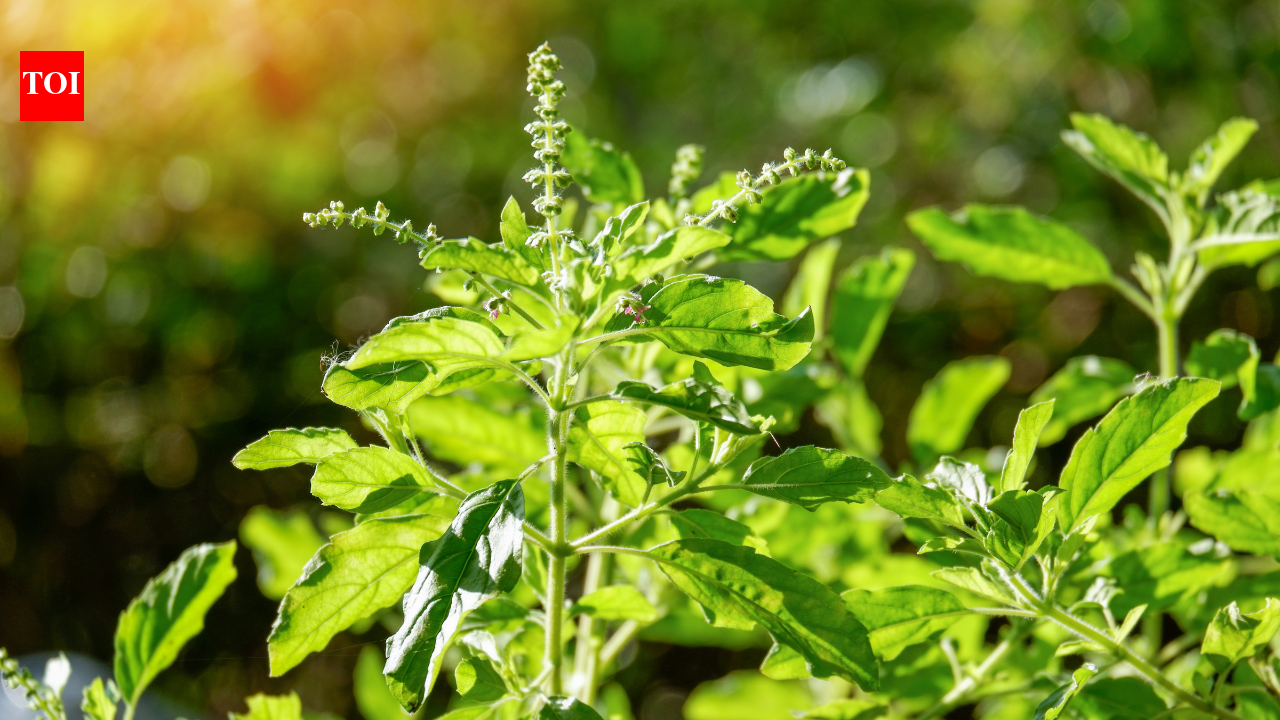
There is something familiar about tulsi. It sits in a small pot near a window, grows with little fuss and has been part of Indian homes for generations. Many families still pluck a few leaves in the morning, chew them or add them to warm water and tea.
But beyond its cultural importance, tulsi has attracted scientific interest too. The plant, scientifically known as Ocimum tenuiflorum or Ocimum sanctum, contains compounds such as eugenol, ursolic acid, rosmarinic acid and beta-caryophyllene. Researchers have studied its possible effects on stress, immunity, metabolism and inflammation.
That does not mean a few leaves can prevent disease or replace treatment. The evidence is still developing, and several studies have tested concentrated tulsi extracts rather than fresh leaves. Still, there are some interesting reasons why this humble herb continues to hold a place in Indian wellness traditions.