
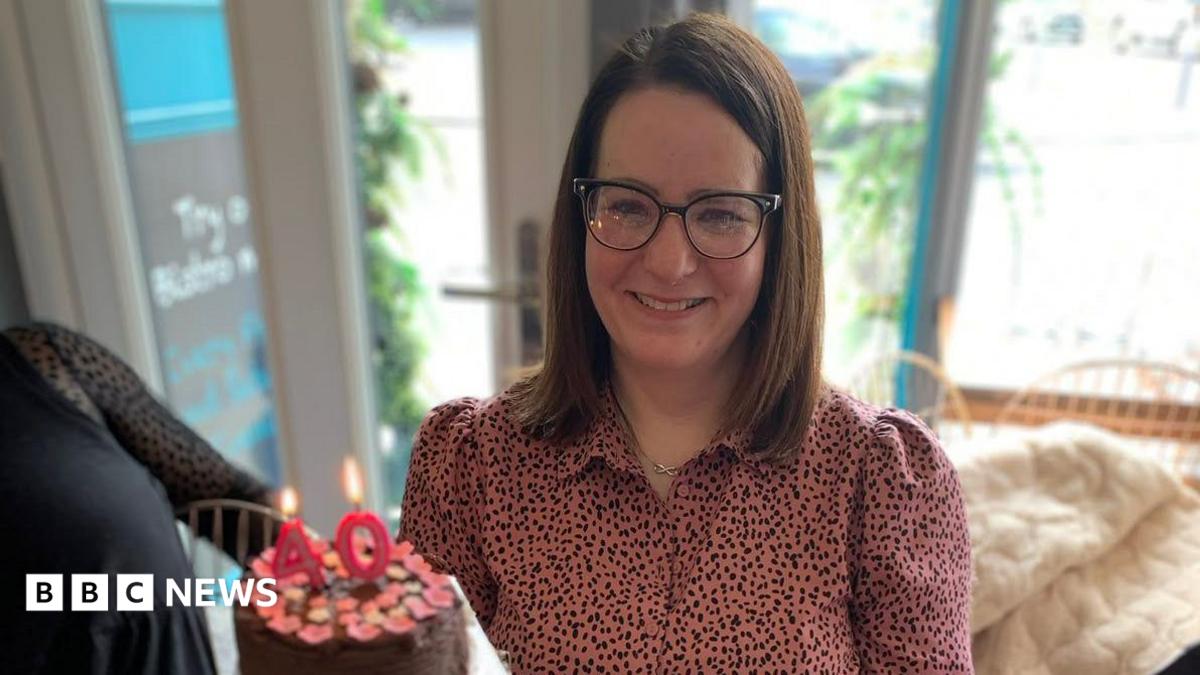
PHS said no definitive cause had been identified for the increase in bowel cancer in people aged under 50 and different potential causes were being investigated.
However, research suggests six in 10 colorectal cancers might be prevented, external through reducing weight, lowering consumption of red and processed meat, increasing dietary fibre and cutting down on alcohol.
Richard Wilson, professor of gastro-intestinal oncology at the University of Glasgow, told BBC Scotland the causes among the under-50s may be different compared with older patients, because of new risk factors that emerged after the 1990s.
“Ultra processed foods, we think, are the huge driver, because their use across all age groups has really increased,” he said.
Wilson added that exposure to pesticides as well as micro and nanoplastics might also be factors.
“These tiny broken-down bits of plastic are in the air, in the water, in our food, and we’re really concerned about that,” he said.
“And then forever chemicals from non-stick frying pans, all of these affect the microbiome in the gut. That’s the common denominator.
“We think all these things disrupt the healthy microbiome, cause inflammation, and might predispose to cancer.”
Every year thousands of people across Scotland are diagnosed with bowel cancer.
In 2024, 4,275 cases were recorded – slightly down on 2023’s figure of 4,395.
NHS inform, external lists the following as potential symptoms of bowel cancer:
blood in your poo (stools)
bleeding from your bottom
a recent change in your poo, particularly looser poo or pooing more regularly
new pain in your abdomen (tummy) that won’t go away
you’ve recently lost weight without trying
more pale and tired than usual
Bowel screening is currently offered to people in Scotland, external aged 50 to 74 years old every two years – this is the same for people in England, external and Wales, external. In Northern Ireland, external screening is offered to people aged 60 to 74 every two years.
A spokesperson for the Scottish government said: “The Scottish government recognises that bowel cancers are occurring at higher rates that previously in people under the age of 50 and have submitted a proposal to the UK National screening committee review bowel screening eligibility to consider offering this to younger age groups.”
However, Bowel Cancer UK chief executive Genevieve Edwards said any changes to Scotland’s screening programme must be based on “robust evidence” and be supported by the NHS having the capacity to deliver them safely and effectively.
She said the rise in cases among people under 50 showed the need for further research and greater awareness.
“Scotland’s focus must stay on diagnosing bowel cancer earlier and ensuring that everyone receives the right care at the right time,” Edwards said.