
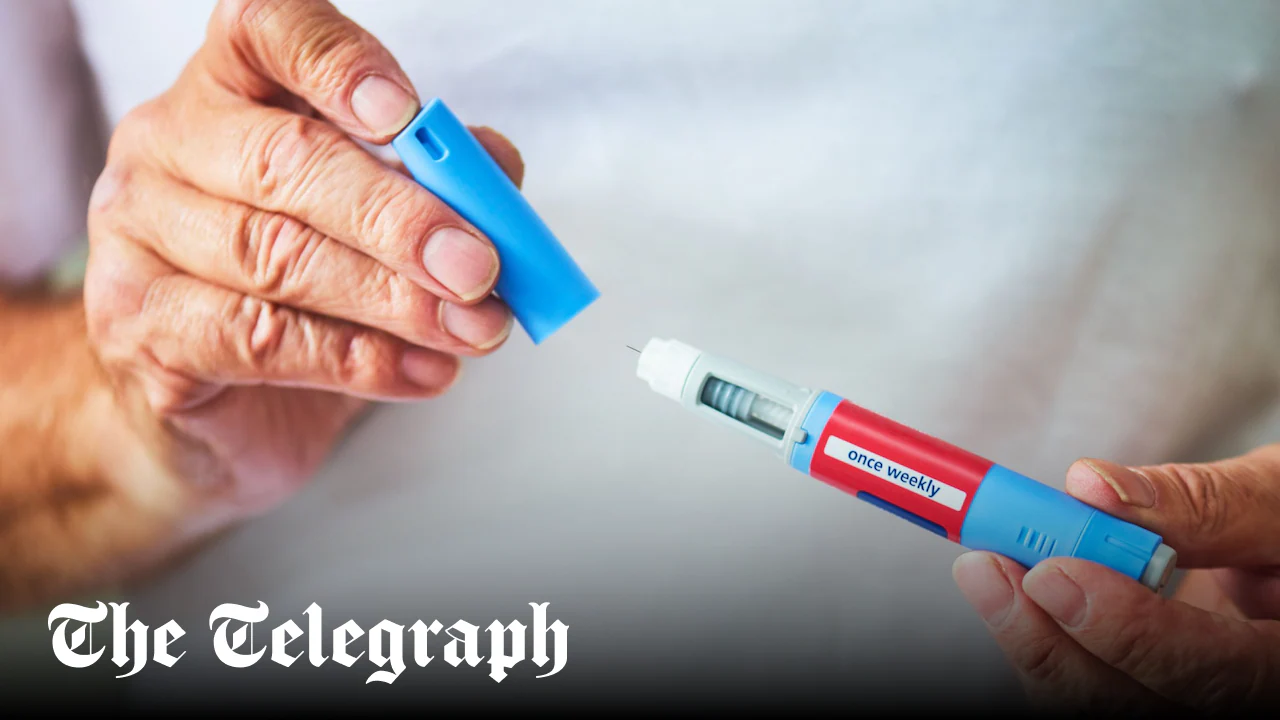
Ozempic and Mounjaro have helped drive a doubling in NHS spending on diabetes treatments.
The cost of medicines and devices used to treat diabetes in England reached a record £2.3bn last year, up from £985m a decade ago.
The rise has been fuelled by a new generation of drugs that have become best known for their dramatic effect on weight.
Mounjaro prescriptions nearly trebled in one year, rising from 1.1 million to 3.1 million items. Spending on the drug rose dramatically, too, increasing from £120m to £574m.
Mounjaro and Ozempic were originally developed as treatments for diabetes, and lower blood sugar while also suppressing appetite.
Mounjaro is now prescribed by the NHS for both type 2 diabetes and weight management, while Ozempic is licensed for diabetes. Semaglutide, the active ingredient in Ozempic, is marketed as Wegovy when prescribed specifically for weight loss.
However, the new figures do not specify whether prescriptions were issued specifically for diabetes, meaning some of the rise reflects the NHS rollout of Mounjaro for weight loss.
In total, the class of medication known as GLP-1 receptor agonists accounted for 33 per cent of the total cost of all drugs that can be used for diabetes.
Spending on diabetes prescriptions
The figures, published by the NHS Business Services Authority (NHSBSA), show diabetes treatments account for a fifth of spending on all prescribed items in England. That compares with 11 per cent in 2016-17.
In 2025-26, 83 million prescription items covered by the statistics were issued to 4.1 million identified patients in England. That was a 60 per cent increase from 52 million items in 2016-17.
However, spending increased by 135 per cent over the same period, as newer and more expensive treatments became more widely used.
GLP-1 drugs, including Mounjaro and Ozempic, account for a disproportionate share of the bill. They made up 6 per cent of all prescription items covered by the figures, but accounted for 33 per cent of total costs.
The NHSBSA said much of the increase over the decade had been driven by GLP-1 drugs, alongside other newer treatments and technology. These include SGLT2 inhibitors, which lower blood sugar by helping the kidneys remove glucose from the body through urine.