
For most Scottish golfers, the idea of needing a licence before stepping onto a golf course sounds extraordinary. Yet in Germany, a system known as the Platzreife has shaped how newcomers enter the sport for decades.
Usually translated as “course readiness”, the qualification acts as a gateway to many German golf courses. Prospective golfers must demonstrate a basic understanding of technique, the rules of golf, and on-course etiquette before they are allowed to play independently.
Supporters argue that it protects both the quality and pace of play. Critics have long questioned whether it risks creating barriers for newcomers and reinforces perceptions of golf as an exclusive sport. Either way, Germany remains one of the most prominent examples of a country where beginners are expected to earn the right to play.
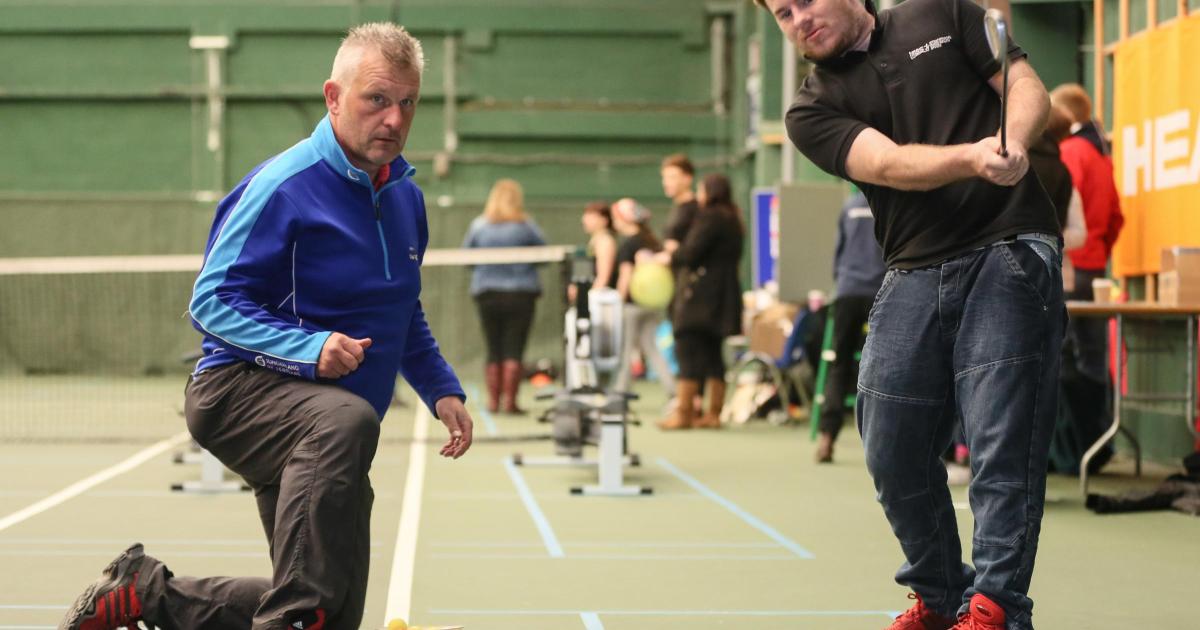
(Image: Damian Shields)
What exactly is the German golf licence?
The Platzreife is not a government-issued licence but a certification recognised throughout German golf. The phrase literally means “course readiness”, and it is designed to show that a golfer understands the rules, can play safely, and can behave appropriately on the course.
Most golfers obtain it through a structured beginner programme run by a golf club or teaching academy.
What does a player have to do to earn it?
The process typically combines instruction with testing. Candidates learn the fundamentals of the golf swing, short game and putting while also studying rules and etiquette.
Assessment usually includes both a written theory test and an on-course practical examination. The aim is not to produce expert golfers, but to ensure they can move around a course safely, keep up with play, and avoid disrupting others.
Why was the system introduced?
The licensing concept emerged as German golf sought to manage growing participation while preserving playing standards. Supporters argue that courses are safer and more enjoyable when every player understands basic etiquette and rules.
Golf authorities also point to pace of play. A newcomer who knows where to stand, when to hit and how to keep moving can make a considerable difference on a busy course.
Does every golfer in Germany need one?
In practice, most German golfers encounter the requirement when entering the sport. Individual clubs retain discretion over who may play their courses, but the Platzreife has become the accepted industry standard.
Visiting golfers from abroad can often sidestep the system if they can demonstrate an established handicap or club membership from their home country.
The Platzreife certification is recognised throughout German golf (Image: Supplied)
Which other countries use a similar approach?
The closest comparisons are Belgium and the Netherlands, both of which have operated forms of golf competency certification. Austria and Switzerland also maintain systems that place significant emphasis on demonstrating playing competence before unrestricted course access.
However, this approach is unusual in a global context. Most golf markets, including Scotland, Ireland and the United States, rely on open access.
Has it helped or hindered golf in Germany?
The evidence is mixed. Supporters credit the system with producing knowledgeable golfers and maintaining standards of etiquette. Critics argue that mandatory courses, examinations and associated costs create barriers that can discourage potential newcomers.
The debate has intensified as golf organisations around the world look for ways to make the sport more accessible. Some German golf businesses have argued that reducing barriers could help participation grow faster, while traditionalists see the system as an important safeguard.
The 9-hole Knightswood municipal course in Glasgow is a product of the culture of accessibility in Scottish golf (Image: Getty Images)
Could Scotland ever adopt something similar?
It seems unlikely. Scotland’s golf culture is built around accessibility, from municipal facilities to pay-and-play courses. The notion that a beginner would need permission to play would feel alien to many golfers.
That said, Germany’s experience raises an interesting question. As golf seeks to attract and retain newcomers, is it better to remove barriers entirely or ensure players receive structured education before venturing onto the course?
Which system is likely to deliver a better long-term golfing experience?
The answer probably depends on what golfers value most. Supporters of Germany’s Platzreife argue that players who arrive on the first tee with a grounding in rules, etiquette and course management help create a smoother experience for everyone else. As concerns about slow play continue to surface across the golfing world, that argument may hold increasing appeal.
At the same time, Scotland’s golfing culture has long been built on accessibility and the belief that the game should be easy to try. Introducing formal barriers would feel at odds with that.
The real question may not be whether Scotland should adopt licensing, but whether the sport can find new ways to educate beginners while preserving the openness that has helped make golf so widely available.
Click here to sign up for The Herald’s Business of Golf newsletter, out every Sunday.
(Image: Damian Shields)