
Most pose little threat if left alone, but knowing what to watch for can help keep a family day by the sea pain-free.
Here are some of the most dangerous creatures to watch out for at beaches in the county.
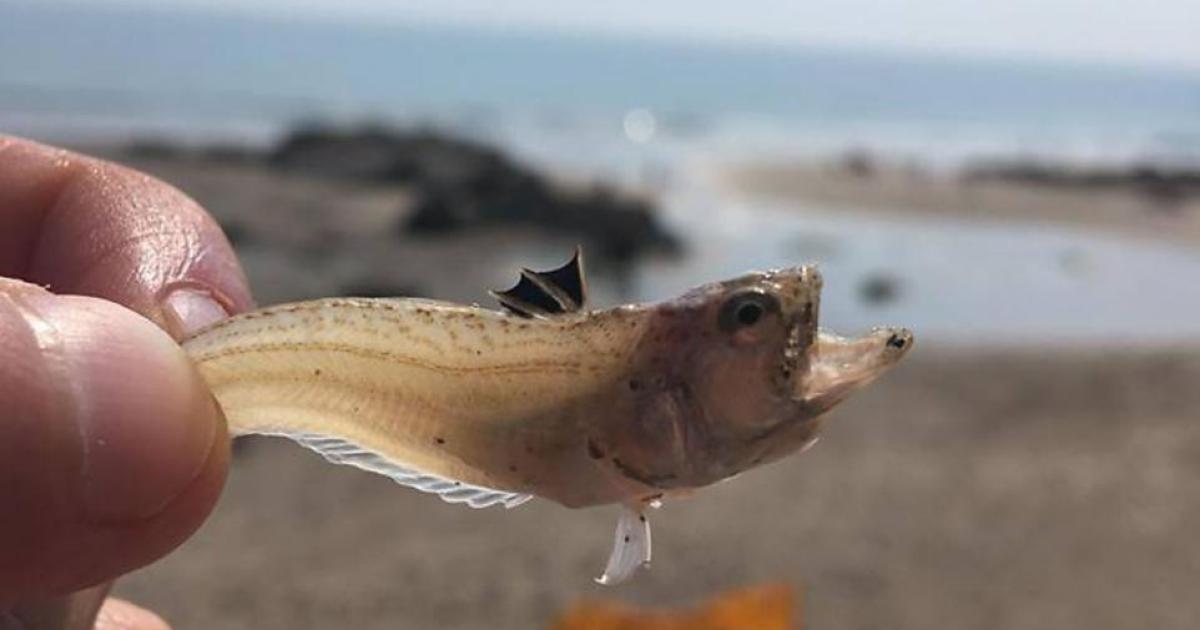
1. Weever fish
Weever fish can leave a painful mark (Image: RNLI/Beau Gillett)
The weever fish is a small but mighty beach hazard.
They bury themselves in sandy shallows and their venomous dorsal spines can cause severe pain when stepped on.
Earlier this year, a spokeswoman for Happisburgh Coast Watch said: “They spend most of their lives buried in the sand, but when disturbed, they shoot up their black dorsal fin in defence, injecting a painful venom into unsuspecting victims.”
Those stung should rinse the area with seawater, remove visible spines using tweezers or a bank card and soak the affected area in very warm water for at least 30 minutes.
2. Jellyfish
Jellyfish should be looked at but not touched. (Image: Brancaster Coastwatch)
Several species of jellyfish can sting – and even washed-up creatures may still do so.
The north Norfolk coast has recently seen a surge in jellyfish, with National Coastwatch volunteers advising people to look but not touch.
Species commonly recorded off the Norfolk coast include moon, compass, barrel, blue, lion’s mane and the most dangerous- mauve stingers.
The mauve stinger can cause a painful burning reaction.
Stinging cells occur not only on its tentacles but also on its arms and bell, so advice is to avoid contact entirely, even if it has washed ashore and appears dead.
A spokesman for National Coastwatch Brancaster said: “Dead or alive, these gelatinous tourists can still pack a sneaky, painful sting.”
3. Adders
Adders are often found along sand dunes and in long grass (Image: Julie Smart)
Adders are the UK’s only venomous snake and are often found along sand dunes and in long grass.
Earlier this summer, a woman suffered a suspected adder bite while staying at her mother’s holiday home in Waxham.
July Rusted, from Cambridge, had been walking through a field close to the beach when she felt a sharp pain before returning home.
She began vomiting heavily, her legs and lips started to swell, and her leg also started bruising heavily.
A spokesman for Waxham Sands said: “If you’re out enjoying a walk, please stay on marked paths, take care where you step, and admire these fascinating reptiles from a safe distance.”
4. Seals
Visitors to Norfolk’s beaches have been warned of the dangers of getting too close to seals (Image: Friends of Horsey Seals)
Grey and common seals are not generally a danger when left alone, but they are large wild animals and can bite if approached or disturbed, especially around pups.
Visitors to Norfolk’s beaches have been warned of the dangers of getting too close to seals after repeated disturbances involving tourists.
Friends of Horsey Seals has launched a “seal disturbance form” so incidents can be reported, while also urging people to back its Give Seals Space campaign.
The charity said approaching the marine animals can put both people and seals at risk, as the animals may bite or behave unpredictably when they feel threatened.
The RSPCA advises visitors to stay at least 100 metres away and never touch or feed them.