
According to the NHS, Lynch syndrome is an autosomal dominant condition.
Each child and sibling of an affected individual has a 50% chance of inheriting the condition.
The NHS can carry out genetic tests to investigate whether Lynch syndrome runs in someone’s family.
Lynch syndrome affects around 175,000 people, but only 5% are aware they are living with it.
Professor Julian Barwell, consultant in clinical genetics at the University Hospitals of Leicester NHS Trust, said: “It’s important for people to be able to have conversations about cancer running in their families.
“There are so many things that we can do now to help support and protect families and keep them together for longer.
“But it starts with you having that conversation and taking that first step.”
Barwell, who is also an Honorary Professor in genomic medicine at the University of Leicester, added: “There are groups looking to develop vaccines against Lynch syndrome tumours.
“We are hopeful within the next generation, we will be able to offer vaccines to people with Lynch syndrome, to reduce the risk of them actually developing a tumour in the first place.”
William said if people can have “those open and honest conversations you can actually make a difference to your future by doing so”.
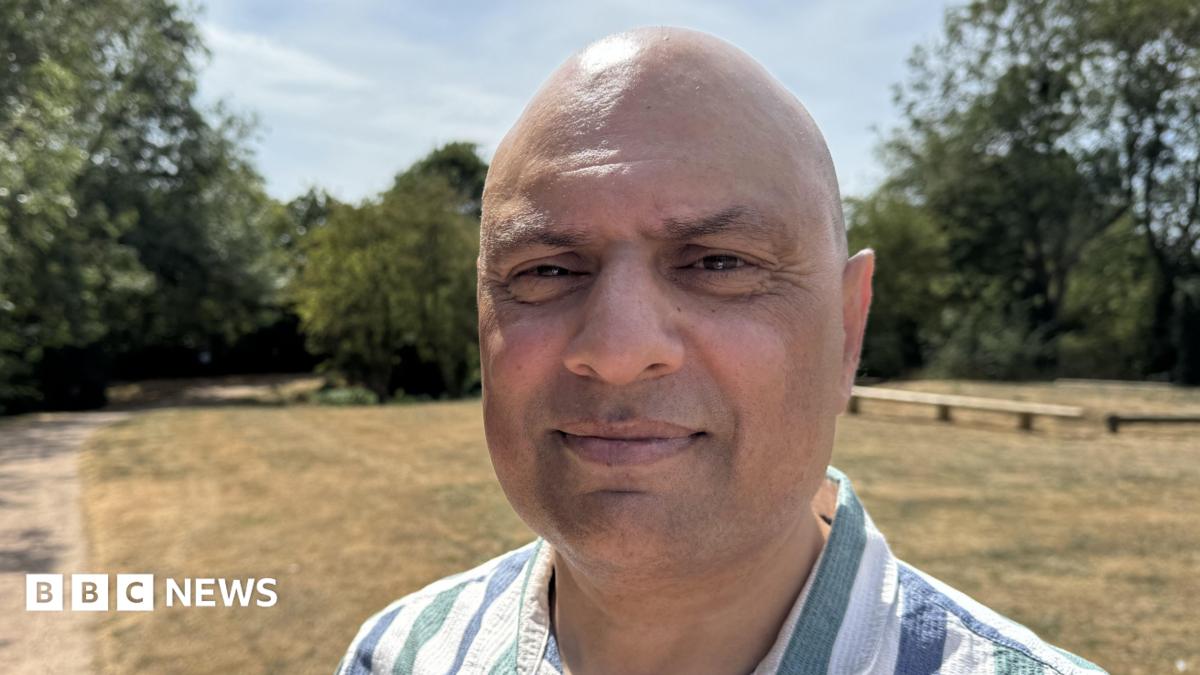
Harjit added: “It’s really, really important that we should talk. We are here because we have Lynch syndrome and we want to make a difference.
“If it changes the lives of one person – saves a family – then I think that’s key at the end of the day, so [we are] happy to share our story.”