
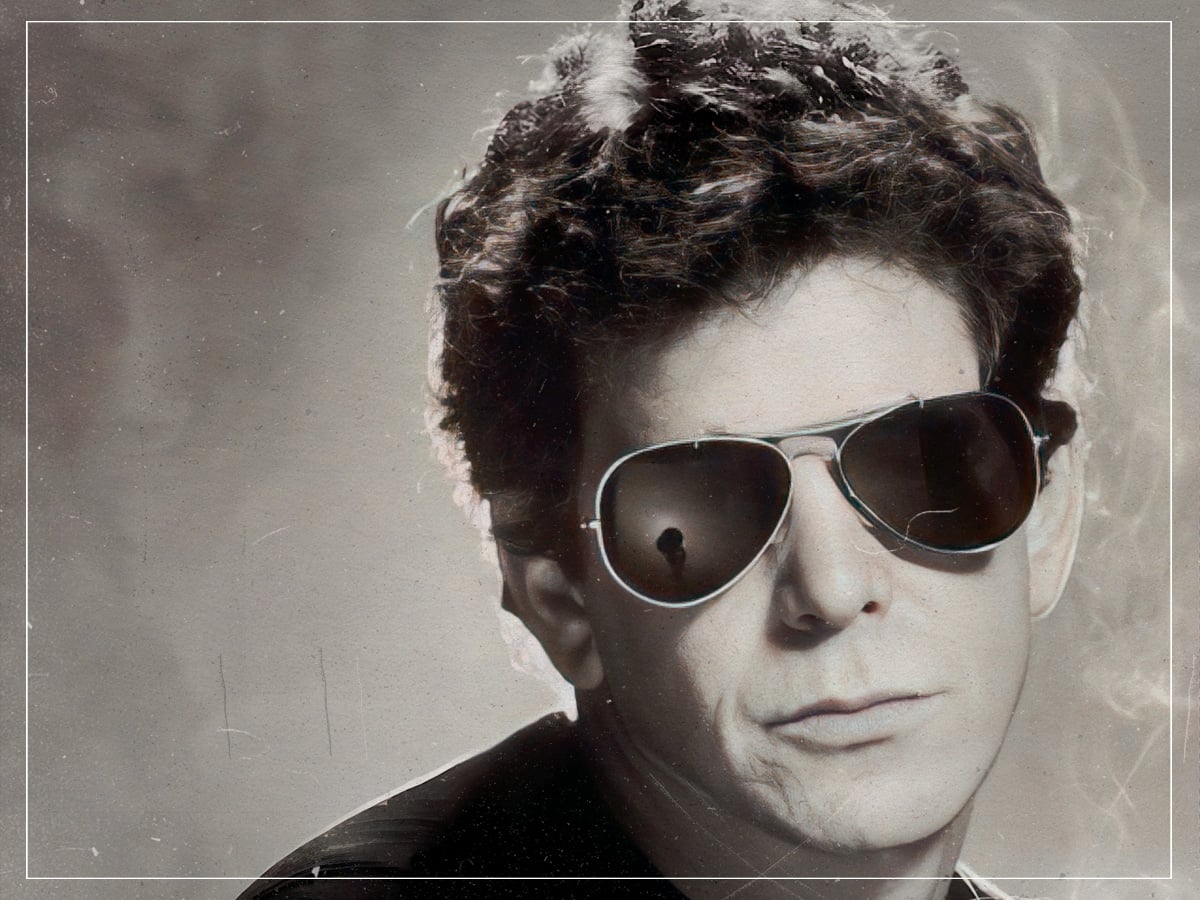
Credit: Far Out / Sony Music Entertainment
Wed 26 August 2026 23:00, UK
There are a lot of underground bands, especially from around New York, who owe their free-flowing nature to The Velvet Underground.
It’s interesting looking back on their music now, given they were getting their start during a time when music was at its peak, but bands who were experimenting with different styles weren’t quite hitting the mark. This was no one’s fault: the entire music industry was in pretty uncharted territory, and as the early days of psychedelic and prog rock were rolling by, a lot of the albums being made showed the potential the genre had – but very few would be remembered as classics.
Take Pink Floyd, for example. Many of their albums that fans call ‘classics’ came out in the 1970s. Towards the end of the 1960s, with Syd Barrett at the helm, is when they were experimenting with different approaches to music – this is when they produced Piper at the Gates of Dawn. It’s a cult classic in their discography, sure, but it reflects a time when the band didn’t have as much direction as they did in their prime.
“I don’t want to go back to those times at all,” said Roger Waters when talking about the album. “There wasn’t anything ‘grand’ about it. We were laughable. We were useless. We couldn’t play at all, so we had to do something stupid and ‘experimental’.”
With bands attempting to carve out how these new experimental forms of music should sound, it’s impressive then just how fully fleshed out The Velvet Underground were when it came to writing adventurous music. They didn’t have a lot of consistency when it came to exploring different themes, but they leaned into that chaos, and the result was a band who showed other budding musicians that you didn’t need to fit into a box.
It didn’t matter what kind of genre they were tapping into with their music; they threw caution to the wind and fully went for it. Through the albums they released, the band members were testing out plenty of exciting styles of music, whether that was sweet, pop-infused, noisy, or all things in between. Ask every fan what style they think suits these artists best, and they’ll all give you different answers, and that’s because they excelled in every single one they pursued.
When John Cale was talking about Lou Reed’s vocals, he focused specifically on the song ‘I’m Waiting for the Man’, and said that he felt as though it perfectly captured what Reed was capable of. Of all the styles that The Velvet Underground attempted to cover, this was one of their more rock ‘n’ roll-centric songs, and Cale said every band member pulled out all the stops.
Further reading: From The Vault
“I liked it because it was rock ’n’ roll,” said Cale. “I hammered the piano, smacking it with fists, and there was no backbeat for Maureen’s drums. It’s very British-sounding, mid-1960s pop like The Honeycombs’ ‘Have I The Right?’. Lou came up with the riff, and his solos were crazy.”
Cale said he didn’t know about how the vocals were actually captured, but Reed singing them and taking the listener through the narrative that surrounded a trip to Harlem was one of the best performances he ever gave in The Velvet Underground. He has a style that lends itself to that abrasive rock ‘n’ roll pretty beautifully, and you can hear it perfectly on ‘I’m Waiting for the Man’.
Concluding, “It captures Lou’s voice perfectly, and it’s got a body, which Tom Wilson achieved when we re-recorded it at TTG [AKA Sunset-Highland Studios in Hollywood].”
