
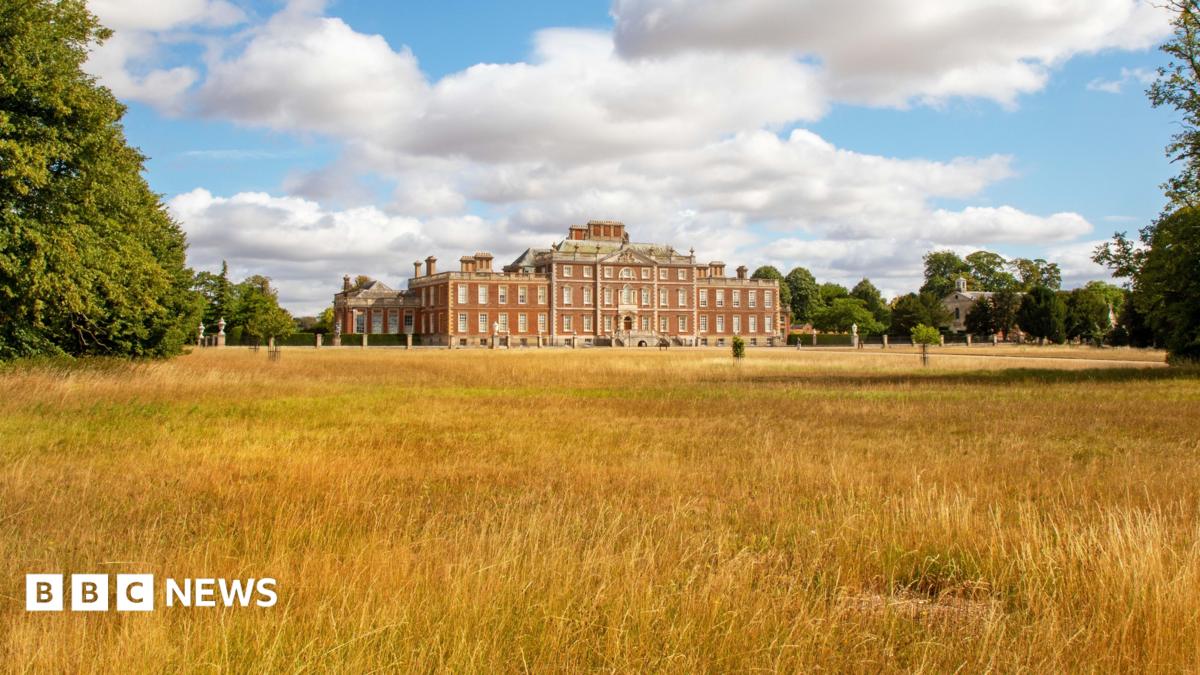
Wildlife habitats were also under pressure, with invasive species such as ragwort and thistles spreading rapidly in the dry conditions, and soil health suffering with cracked ground.
Veteran trees were showing signs of stress, and disrupted weather patterns were creating mismatches between flowering plants and pollinating insects – with consequences for both biodiversity and food production.
Efforts were under way to help the estate adapt in the face of climate change, with 125,000 trees planted since 2021 to improve shade, soil health, moisture retention and habitat resilience.
The estate said it had been trialling alternative forage sources – such as willow and aspen – and exploring more drought‑tolerant crop varieties.
Hassall added that Wimpole Estate “has adapted for 2,000 years” and “that spirit continues”.
“We welcome recent government support for farmers, but long‑term resilience requires sustained investment in nature and climate adaptation,” he said.
“We cannot do this alone.”
The government announced in June a further £97m investment in National Resilience assets, external, including what it described as the largest upgrade linked to wildfire response in almost 20 years.
Do you have a story suggestion for Cambridgeshire? Contact us below.