
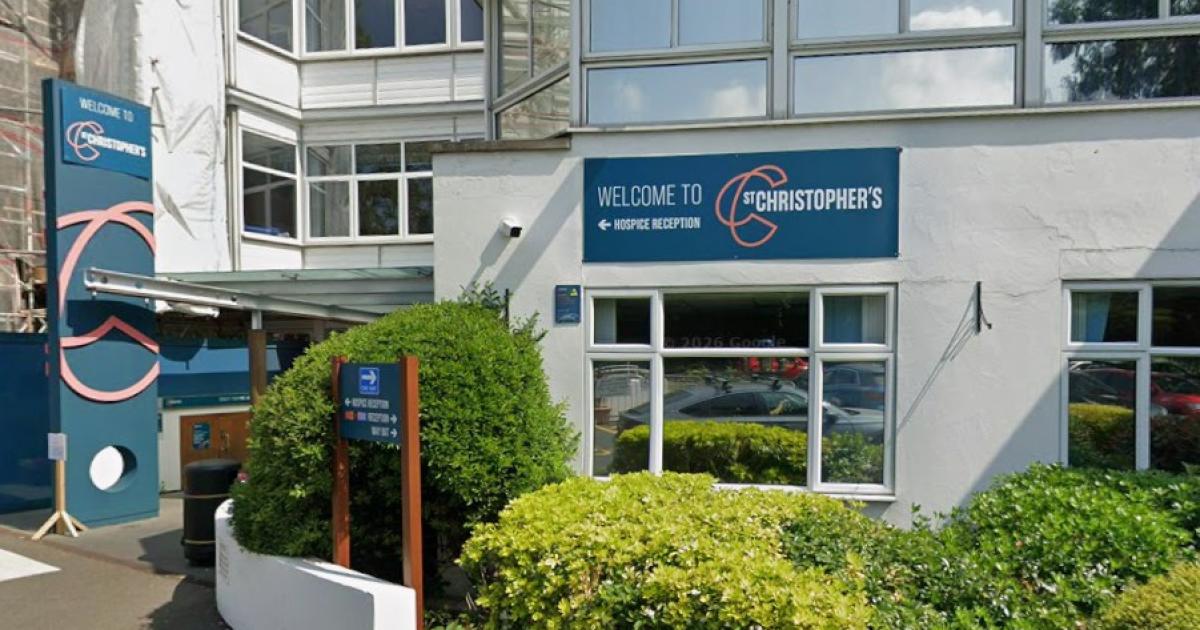
St Christopher’s Hospice, which has two sites in Sydenham and Orpington, offers a range of support for adults including inpatient care, outpatient clinics and community services.
The Care Quality Commission (CQC) carried out an unannounced inspection of the service in Sydenham on June 24 after receiving “safeguarding notifications” which had raised concerns.
But a report published on August 19 showed that the service has retained its overall ‘Outstanding’ rating, with no further detail shared on the nature of the safeguarding notifications.
READ MORE: The south east London neighbourhoods with the best and worst GCSE results
Amanda Mayo, Care Director at St Christopher’s, said: “We are incredibly proud to have retained our Outstanding CQC rating following an inspection that focussed on safeguarding practices, which reflects the dedication, expertise and compassion our teams bring to their work every day.”
Ms Mayo said inspectors were particularly positive about her colleagues, describing them as welcoming, professional and highly knowledgeable, with strong confidence in their roles and responsibilities.
She added: “This feedback is a testament to the commitment of everyone across St Christopher’s to delivering exceptional care and support for the people and communities we serve.”
Inspectors looked at four sets of patient clinical records and spoke to 20 members of staff. They also reviewed safeguarding incidents and recruitment records.
On safeguarding, inspectors said: “The evidence showed a good standard. The service worked with people and healthcare partners to understand what being safe meant to them and the best way to achieve that.
“They concentrated on improving people’s lives while protecting their right to live in safety, free from bullying, harassment, abuse, discrimination, avoidable harm and neglect.”
Inspectors said staff they spoke with knew how to identify people at risk of, or suffering from significant harm or abuse, with the service working with other agencies to protect them.
Staff could give examples of how to protect patients from harassment and discrimination, including those with protected characteristics under the Equality Act.
The service was praised for having a “clear process” for reporting and learning from safeguarding incidents. Staff knew how to make a safeguarding referral and who to inform if they had concerns.
They told inspectors there was an “open culture” within the service and they could report incidents or raise concerns without fear or blame or victimisation.
The hospice has published a safeguarding strategy which sets out its priorities for the next three years. Inspectors said this has provided a structured approach to ensure people who used the services, families, staff and volunteers and visitors were safe, listened to, respected and protected.
They added: “The service had six strategic priorities including, safe people, confident workforce, learning and improvement, equity and person-centred safeguarding, partnership working, and governance and assurance.
“The service also had clear assurance measures which include reviewing safeguarding activity and themes, training compliance, audits, evidence of improvement from learning, feedback from patients, families and carers among others.”
Patients and their families receive welcome packs when admitted to the in-patient unit. The welcome packs provide information about the service and an email address for people to give feedback.
However, inspectors did say the information did not explain how to raise safeguarding concerns.
They added: “We did not see this information displayed anywhere else in the hospice. It was unclear how the service supported people to understand safeguarding and personal safety, or how it empowered them to recognise and report concerns for themselves or others.”