
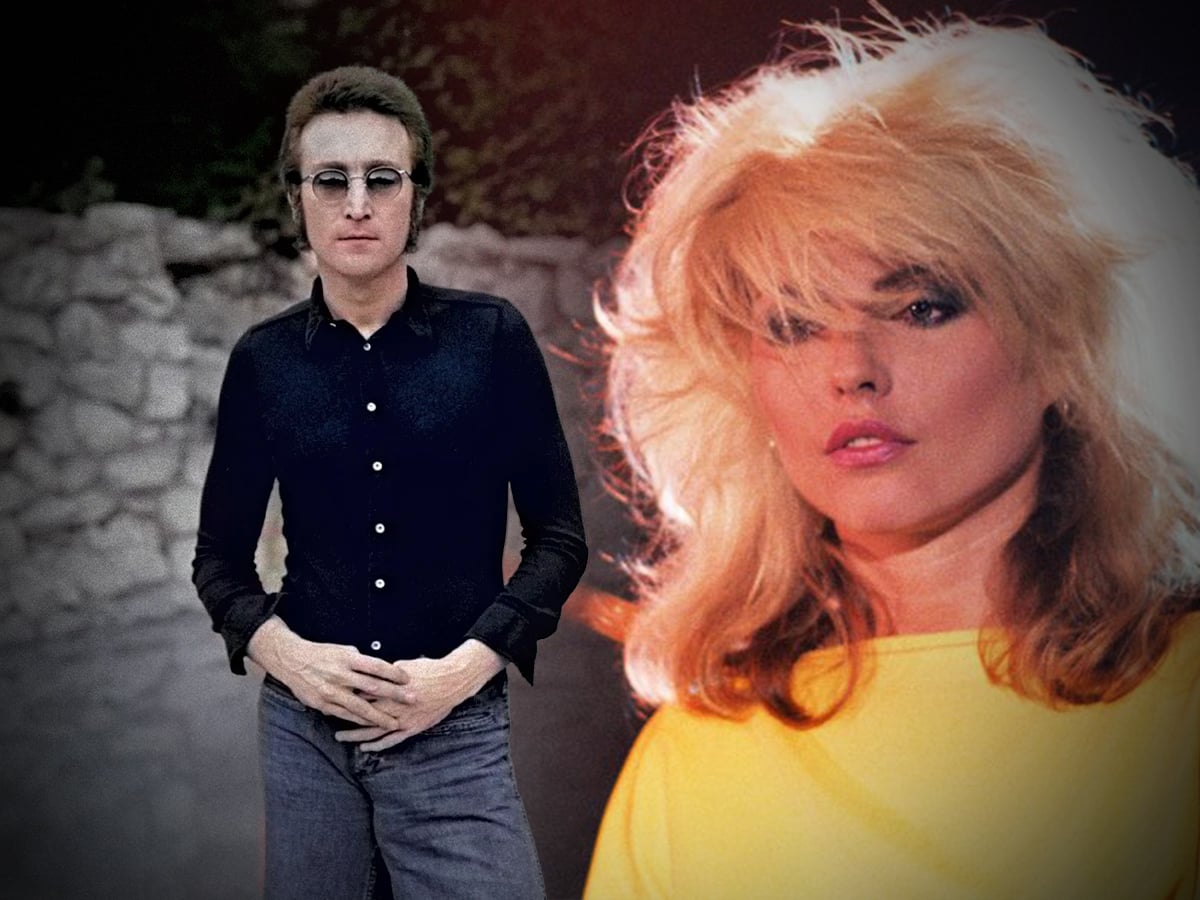
Credit: Far Out / Yoko Ono / Alamy
Sun 30 August 2026 15:30, UK
Within the walls of New York City’s cheap and abundant 1970s squats, lofts, and ramshackle venues, the emerging sounds of punk rock marked the point at which rock and roll changed forever, and groups like the Ramones, the Patti Smith Group, and Blondie were all firmly at the forefront of that new cultural revolution.
Like their various contemporaries during their early days, Blondie were stalwarts of the now-legendary CBGBs – a biker bar turned punk epicentre within which they rubbed shoulders with the likes of Talking Heads, Television, and countless other still-beloved bands who were tearing up the rock rulebook. As vitally important as that scene was, though, there came a point when its DIY, barre-chord, safety-pin focus became a little too restrictive for certain groups, Blondie included.
While others were content to spend the rest of their musical days relying on downstroking, blitzkrieg bopping, and glue-sniffing – and more power to them – Debbie Harry and Blondie had artistic development on their mind. Harry was, after all, already something of an outlier in the scene, in her early 30s and with a pre-existing career as a model, dancer, and, at one point, a BBC secretary. As such, it wasn’t long before Blondie’s output deviated from the norm, either.
Their adoption of disco influences on tracks like ‘Heart of Glass’, for instance, was a landmark moment which earned them mainstream success at the expense of some of their punk credentials. However, they didn’t stop there. Drawing upon everything from disco to the blossoming realm of hip-hop, the group’s early 1980s output expanded their repertoire tenfold, birthing the new wave revolution.
One particular stand-out from that period in the group’s output was the transatlantic number-one ‘The Tide Is High’. A new wave classic and an unshakable earworm that quickly became a staple of Blondie’s performances, the song also earned the appreciation of none other than John Lennon. Back in 2006, Sean Ono Lennon told Rolling Stone that ‘The Tide Is High’ was the one “modern song” he could remember the former Beatle enjoying.
Released mere weeks before Lennon’s tragic death in December 1980, the songwriter’s son recalled of the track, “When I hear that song, I see my father, unshaven, his hair pulled back into a ponytail, dancing to and fro in a worn-out pair of denim shorts, with me at his feet, trying my best to coordinate tiny limbs.”
While reggae wasn’t a genre that Lennon regularly explored within his own work, the original 1967 version of ‘The Tide Is High’ that Blondie based their 1980 recording off was a key rocksteady touchstone in the development of Jamaican reggae music. Recorded by The Paragons for Duke Reid’s iconic Treasure Isle label, the song wasn’t a major international hit upon its release, but it was beloved by ska, rocksteady, and reggae aficionados nonetheless.
Further reading: From The Vault
Crucially, Blondie’s Chris Stein was among those appreciators, and he knew that the song had more mainstream appeal than it was ever allowed to achieve. “The original was so fantastic. I knew what our position was at the time: If we had the ear of the public and if we did a successful version of this thing, it would be successful,” he said in a 2022 interview.
Stein was certainly vindicated in that prediction, with ‘The Tide Is High’ not only becoming a chart-topping classic of the new wave era, but also helping to bring pop-reggae to the masses, and earning the respect of a songwriter as legendary as John Lennon. It doesn’t get much better than that.
