
Credit: Far Out / Legacy Recordings
Mon 31 August 2026 23:00, UK
In the summer of 1979, Art Garfunkel put himself into something of a creative and emotional exile.
His girlfriend of five years, actress Laurie Bird, had died from an intentional overdose of valium in their New York apartment that June, and her loss sent the 38-year-old singer into a downward spiral that stretched over the next two years.
Returning to the studio in 1981, Garfunkel ultimately completed and released his fifth solo album in August of that year, but unlike his earlier records, which had all sold well and produced strong singles, Scissors Cut was a commercial and critical failure.
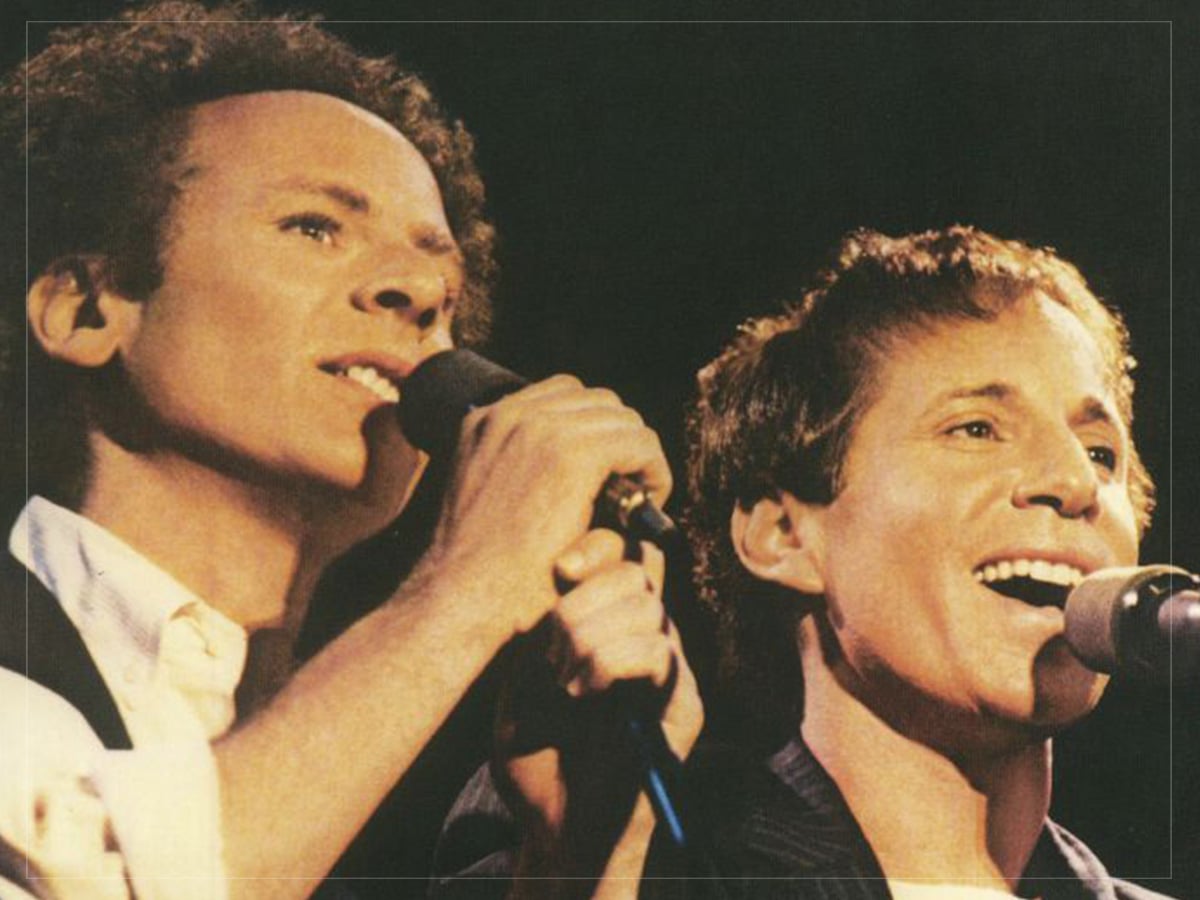
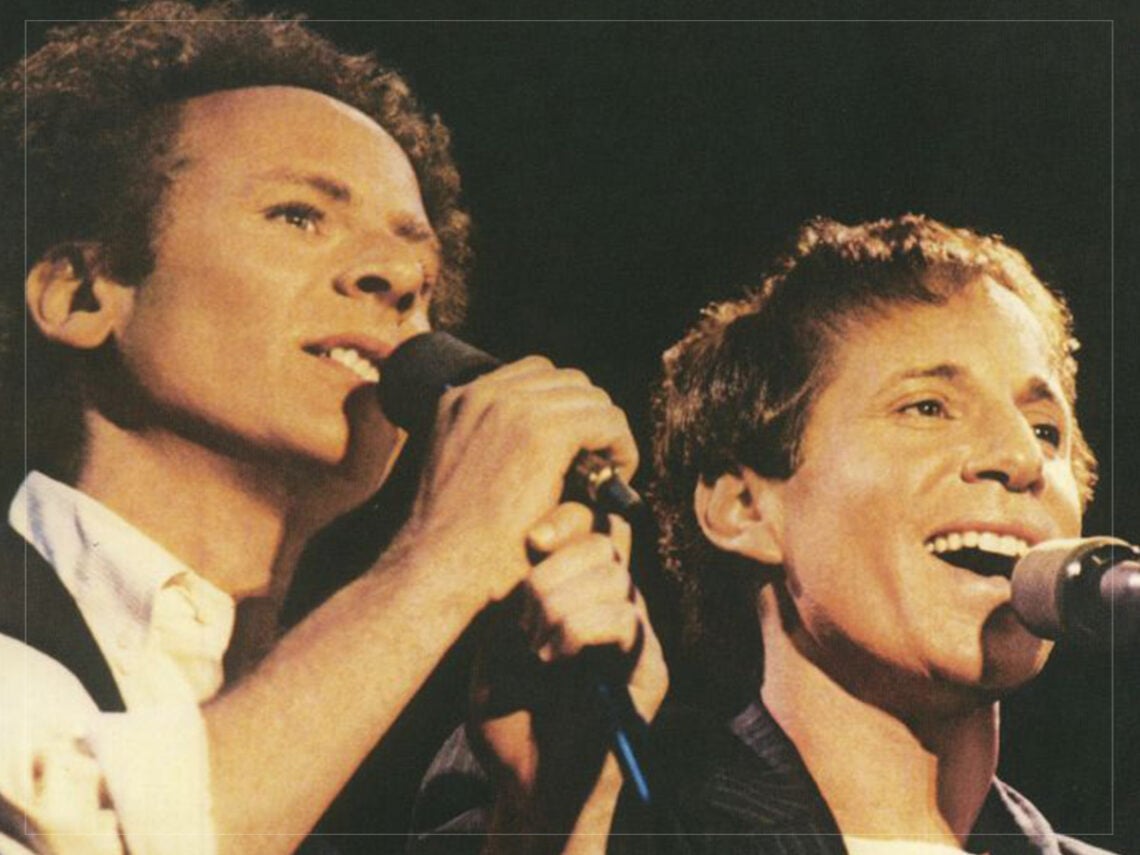
Fortunately, at this exact moment, as he was approaching his 40th birthday and a potential fork in the road of his career, Garfunkel found himself suddenly reunited with the man who’d served as his musical partner for both the most formative and successful years of his life. That, of course, was Paul Simon, and this long-awaited reconciliation would take place not in a studio or concert hall, but on a rather enormous stage inside New York’s Central Park on September 19th, 1981.
As Garfunkel explained to the Boston Globe in 2015, it was no coincidence that their reunion concert finally happened at that moment. “Sometimes I think it was Paul and [friend and Saturday Night Live producer] Lorne Michaels together who said, ‘We need to give Artie’s bloodstream a kick now. He’s very reclusive. What can we do to help Artie?’ So they were the architects, like deep old friends would be.”
To the credit of all of those involved, the first Simon & Garfunkel performance in 11 years wasn’t put on as a cash grab, but as a free concert on Central Park’s 18-acre Great Lawn. Both men had sustained a level of fame in their solo careers that ensured a strong turnout of fans. The nostalgia factor, however, was beyond what anyone could have imagined, and it ultimately drew more than half a million people into the park on that beautiful late summer evening, many eager to hear an influential duo that they hadn’t had the chance to see live during the group’s 1960s heyday.
Before a note had even been played on stage, the enormous crowd had already purchased all 10,000 T-shirts and 20,000 posters made for the occasion, the proceeds of which went toward reseeding the nine softball fields on the Great Lawn; certainly one of the more unusual causes in the history of musical fundraisers.
It’s rare that 500,000 people have ever gathered together in a big city with such a shared, mellow vibe, but it didn’t ease the pressure on the two musicians who hadn’t shared a stage in a decade, and were now tasked with entertaining ten stadiums’ worth of fans with songs that were originally born out of intimate coffee houses.
“There were times I really regretted having agreed to it,” Simon admitted to Rolling Stone, acknowledging the extreme pressure on both men.
 Credit: Far Out / Album Cover
Some cynics accused Simon & Garfunkel of getting back together as a desperate career move, as Paul had hit a bit of a bump in his record sales at the end of the 1970s, as well. Speaking to the New York Times, though, Simon laid out his rationale as one solely focused on the relationship with his old friend.
“During the 1970s,” he said in 1982, “we were not only competing against the memory of Simon & Garfunkel, but against each other. It was tense. We’ve always been very competitive, and we obviously have very different musical tastes. But it’s mellowed in the past few years, and I saw the Central Park Concert as a chance to be positive toward each other, to be good guys, and if we were lucky, to be a popular success.”
Elevated by each other and by the crowd, Simon & Garfunkel delivered an almost impossibly strong performance, one that could only be achieved by two artists whose connection to one another dated back to childhood. Any dust or rust was shaken off in a matter of minutes, and the sea of onlookers were left mesmerised through much of the night, as they heard sterling renditions of classics like ‘Mrs Robinson’, ‘The Boxer’, and an especially moving ‘Bridge Over Troubled Water’.
The following year, when the concert was released as a cable TV special and live album, it further cemented its place in the pantheon of all-time famous live music events in American history. In the days after, Simon said he was deeply “touched” by the experience, and Garfunkel called it “one of the greatest pleasures in my life”. Inevitably, the success of the show led to an extended Simon & Garfunkel reunion, and of course, a few more opportunities to fall out with one another.
Over time, even that seemingly idyllic, unimpeachable night in Central Park became a subject of some discomfort and animosity, as Garfunkel came to resent the fact that Simon had chosen a setlist “that had seven Paul songs and one Artie song,” he told the Boston Globe in 2015, referring to the imbalance in solo material selections from their respective catalogues.
He added, “That’s not right. And why I went along with it shows that I was weakened”.
The same clashing egos that had sunk the goodship S&G back in 1970 hadn’t actually evolved all that much into middle age, and while the pair would come together again for another string of reunion shows in the early 2000s, and another successful live album, 2004’s Old Friends: Live on Stage, they never recorded another album of new material together.
Most fans would agree that they also never again reached the heights of the concert in Central Park, when the atmosphere and mutual need for one another produced something singular and magical.
