
An outdoors expert also warned about some legal restrictions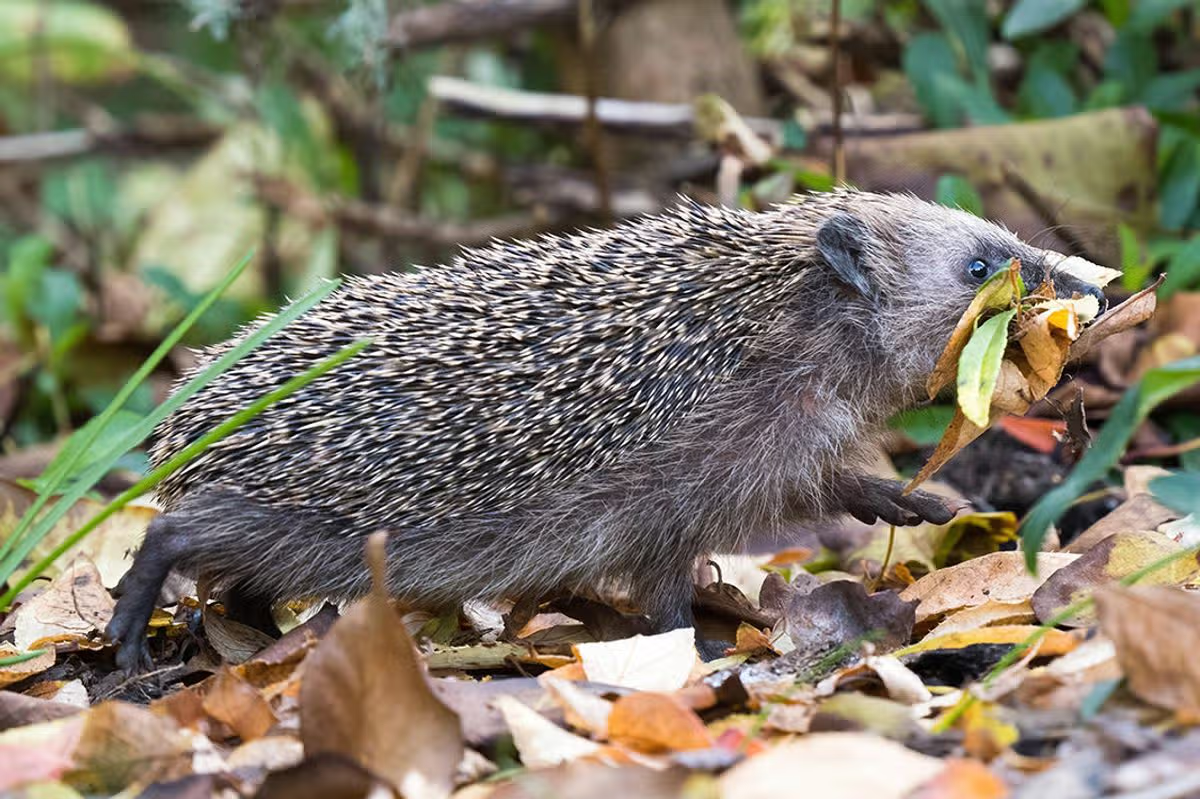
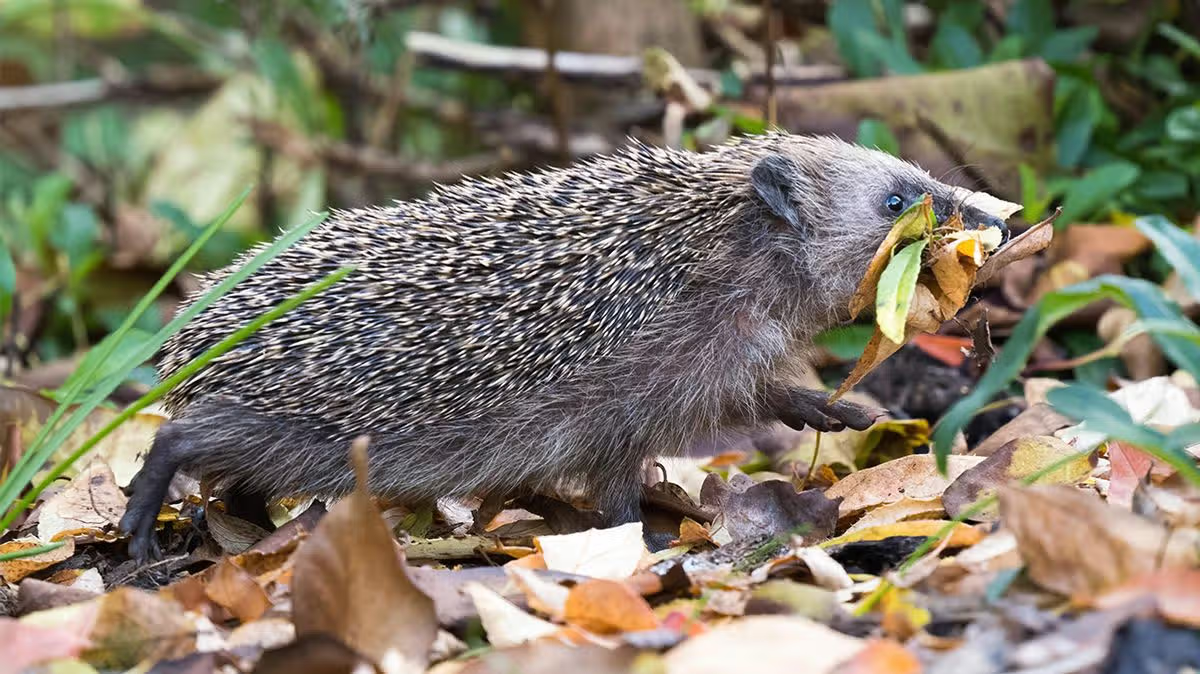
You can do several things to support hedgehogs in your garden(Image: Getty)
You may be keen to help out your local hedgehogs by putting a bowl of food out for them to snack on in the garden. But your open-air buffet can also attract other visitors like foxes and badgers.
An expert has shared how to arrange your garden to best support hedgehogs, and to give them a best chance of getting to your food. Alex Dobson, garden and outdoor space expert at outdoor furnishings supplier Charles & Ivy, said the key thing to think about is where you put the food. He said the best approach is to have a dedicated wildlife area where you put any nibbles.
Create a habitat
The expert explained: “The best hedgehog-friendly gardens provide habitat rather than trying to feed them. Dedicate some areas of your garden to creating a habitat for them.”
It’s much better to put any food here rather than in different parts of your garden. Mr Dobson warned: ” Scattering food across the lawn is much more likely to attract a range of larger visitors such as foxes or badgers.”
Hedgehogs are welcome here
To create a hedgehog-friendly space, the outdoor expert recommends:
Gathering fallen leaves into piles, to create natural shelterMake some gaps in your fence, so hedgehogs can make freely between gardensAdd a planter or screened area, to define this spaceCheck any feeding stations and remove any uneaten foodLegal warning
If larger animals try to push their way into your garden, any deterrence methods you deploy must stay strictly within the law. As Mr Dobson warns: “Gardeners should be careful not to confuse deterring wildlife with harming it.”
Key legal protections include:
Badger setts: You must not block a sett entrance, dig around it, or attempt to force badgers out.Active bird nests: You should never remove or interfere with an active nest simply because it’s inconvenient.
Mr Dobson said: “The safest approach is to make your garden less attractive to unwanted visitors, protect vulnerable plants and use sensible physical barriers, rather than attempting to remove wildlife altogether.”