
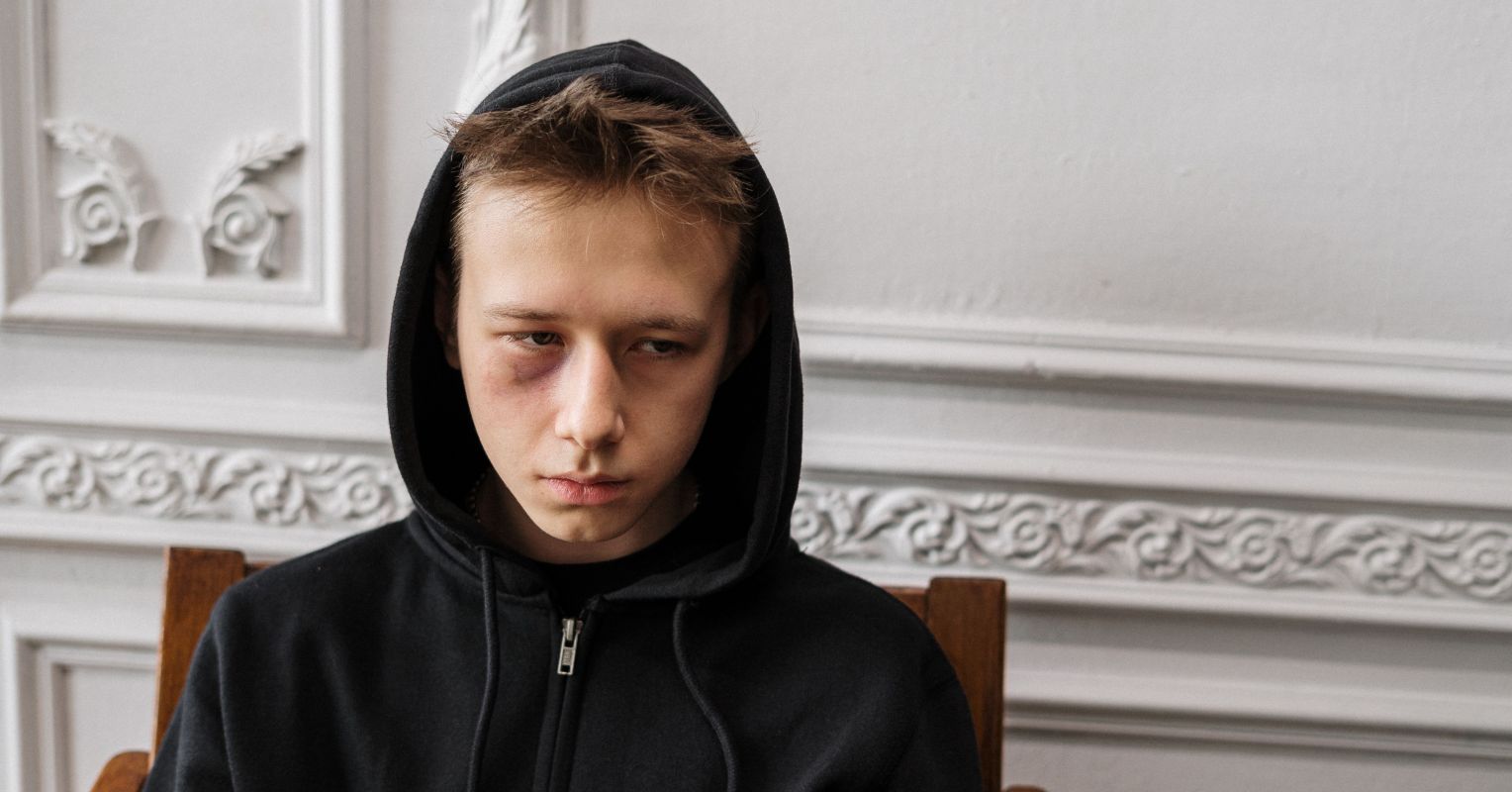
More than 20 years have passed, and I still remember Juan Manuel. I have changed his name and details to protect his identity.
Juan Manuel was in 11th grade when I met him at a school in Bogotá. Before we ever spoke, I already knew who he was. Teachers mentioned him during staff meetings. Students talked about him in the hallways. His name surfaced so often that I assumed I was about to meet another teenager who constantly challenged authority, and that seemed to be exactly the case.
Juan Manuel had been diagnosed with oppositional defiant disorder (ODD). He questioned almost every instruction, argued with teachers, and rarely accepted responsibility for what he did. If something happened in the classroom, someone else usually received the blame. None of those behaviors surprised me. By then, I had already worked with many adolescents whose behavior created daily conflict at school.
It was everything else that caught my attention.
Teachers told me that several chickens kept on the school grounds had been found dead. Students reported seeing Juan Manuel hurting lizards during recess. I heard complaints about stray dogs that wandered near the school. Nobody seemed able to explain why those incidents were happening. Neither could I.
One afternoon I watched another student walk away from an interaction with Juan Manuel in tears. I remember standing there, almost expecting some reaction. Maybe an apology, a look of regret, or even a moment of discomfort. Instead, I saw an expression that I have never forgotten. I left school that afternoon thinking about one question: Was it more than ODD?
When a Diagnosis Is No Longer Enough
Over the years, I had met many adolescents who argued with adults, reacted impulsively, and resisted authority. Those behaviors certainly created challenges for families and schools, but they were familiar to me. Juan Manuel raised different concerns.
During recess, he sometimes entered the classroom while everyone else was outside. He opened classmates’ backpacks without permission and searched through their belongings. Pens, sharpeners, and small personal items disappeared. When teachers confronted him, he denied taking anything, even when other students had seen him doing so.
His classmates gradually learned to avoid him. Some feared becoming his next target. Others tried not to attract his attention. Teachers responded with different disciplinary strategies, but very little changed.
As my work in forensic psychology continued, I often thought about students like Juan Manuel. When I later revisited the scientific literature, one finding immediately stood out. Most children and adolescents diagnosed with ODD do not become violent offenders, and many improve when they receive appropriate intervention and family support (Hawes and colleagues, 2023).
That finding confirmed something I had sensed years earlier. My biggest question looked beyond the diagnosis.
Looking Beyond the Defiance
Cases like Juan Manuel’s continued to shape the questions I asked throughout my professional career.
Research describes ODD as a disorder with different developmental pathways. Defiance, emotional dysregulation, and conflict with authority figures are common features of the disorder, but they do not determine a young person’s future. A diagnosis should never be used to predict that a child or adolescent will eventually become violent or engage in criminal behavior (Hawes and colleagues, 2023).
That was never my conclusion.
What continued to concern me was the pattern I had observed over time. Cruelty toward animals, repeated bullying, stealing from classmates, manipulation, and an absence of visible remorse suggested that I needed to understand more than the diagnosis recorded in his file.
Many years later, while I wrote my book Dangerous Minds, I realized how often my thoughts returned to Juan Manuel. Despite sharing the same diagnosis, some young people move in very different directions (Castell Britton, 2025).
Around that same period, I became increasingly interested in research on callous-unemotional traits. Those studies encouraged me to ask more careful questions. Some young people show limited empathy, little guilt after causing harm, and a persistent tendency to manipulate or intimidate others. Researchers have emphasized that these characteristics deserve careful assessment and should never be assumed because a child has been diagnosed with ODD (Squillaci and Benoit, 2021).
Looking back, I think Juan Manuel also changed the way I understand schools. Teachers understandably spend much of their time responding to behavior that disrupts learning or places other students at risk. Those decisions have to be made. At the same time, I have often wondered whether schools have enough opportunities to understand the emotional processes developing beneath that behavior before they become even more difficult to change.
The Question Schools Should Ask
I do not know what happened after Juan Manuel left school, or what kind of adult he became. Now and then I catch myself wondering whether someone eventually understood what I had only begun to question all those years ago.
Schools have a responsibility to respond when students become aggressive, intimidate others, or repeatedly violate rules. They also have an opportunity to ask what may be happening long before those behaviors become part of a much larger problem.
When I think about Juan Manuel today, I think about the questions his behavior forced me to ask. Those questions followed me through years of educational and forensic practice, research, and writing, and they continue to shape how I approach young people whose behavior is difficult to understand.
Whenever I meet a student whose actions seem impossible to explain, I remember Juan Manuel. His story reminds me that behavior is often the beginning of the conversation.