
Credit: Far Out / YouTube Still
Sat 12 September 2026 10:00, UK
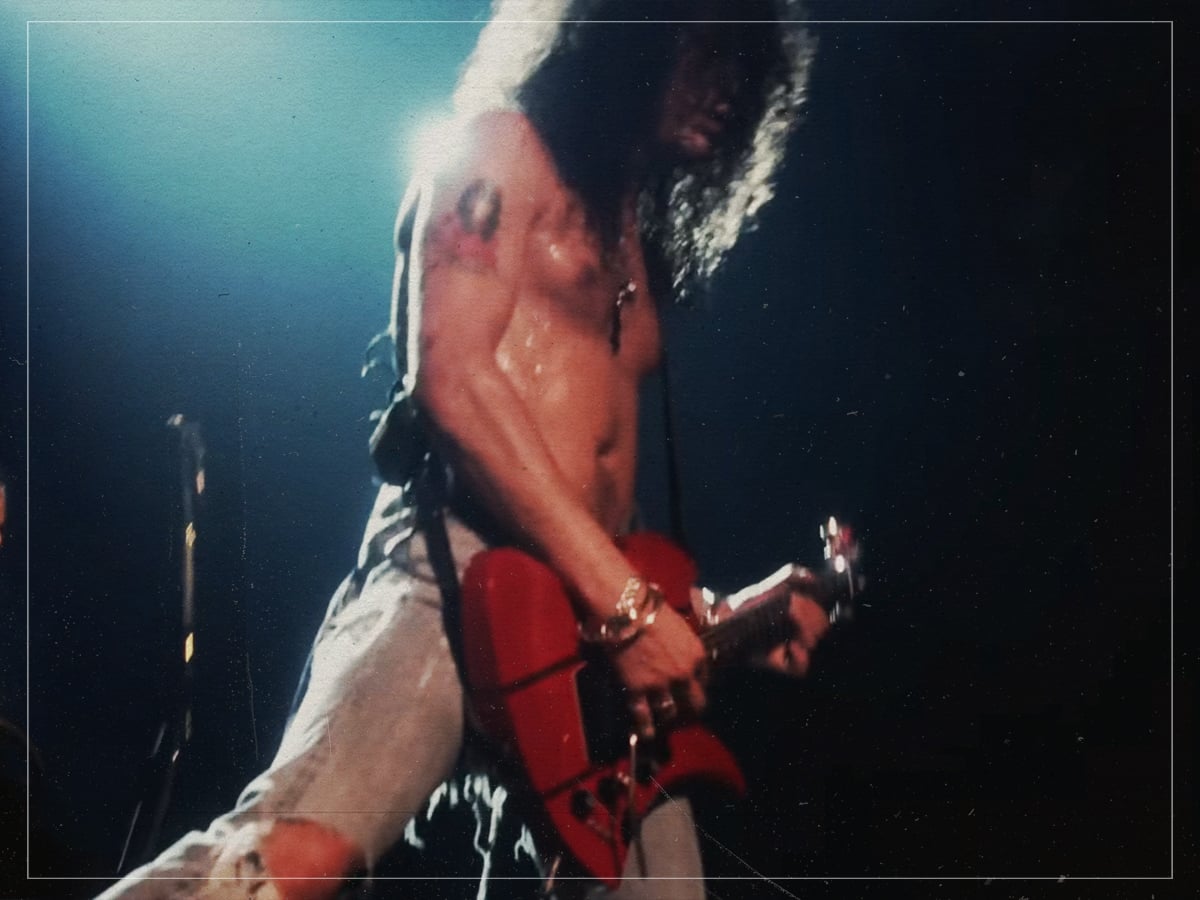
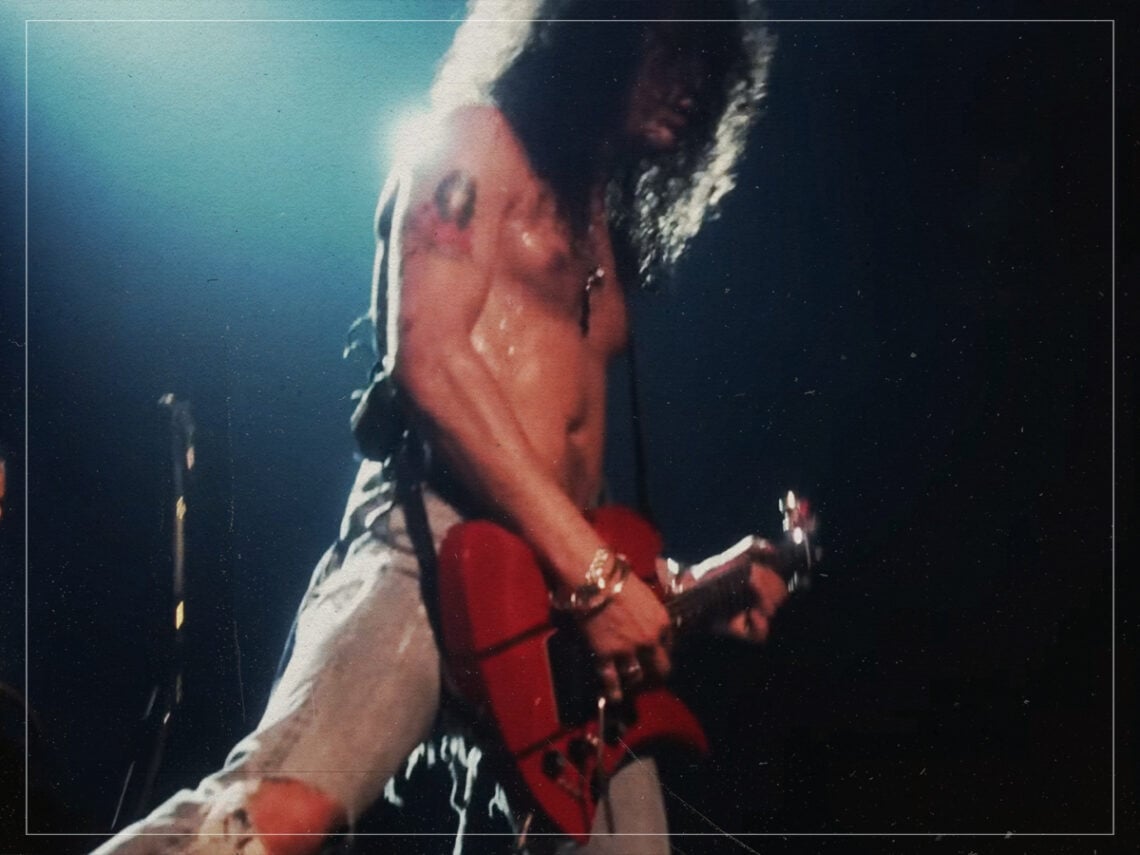
Slash is such a good guitarist that even when he’s trying to get something wrong, he gets it right.
The guitarist admitted once that when he was putting together his introduction to the song ‘Sweet Child O Mine’, he did so with the intention of sabotaging the track. It wasn’t necessarily that he thought it was a bad tune, but the soft nature of the song went against the hard rock, cutthroat style that the band were going for on their debut. The scattered introduction lick that we now know and love, he made with the sole intention of steering the song off the rails.
It’s a real testament to who he is as a guitarist that even his self-sabotaging work sounds pretty damn good. A lot of people would pin that track down as one of his very best, but not this writer. For me, Slash’s best work comes on his first self-titled solo album.
Music has a pretty stunning ability to bridge gaps between different cultures and ways of life. That gap can be massive, as in one which lies between countries, or a little smaller, as in the kind that sits between genres. Regardless, the right artists and the right song can build bridges which cross over these treacherous divides pretty easily. To me, that’s what Slash’s first solo album does.
This man, who once almost refused to write an intro for ‘Sweet Child O Mine’ because it was too soft, was suddenly working on an album with artists like Fergie, Adam Levine and Nicole Scherzinger. Granted, rock artists like Iggy Pop, Ozzy Osbourne and Dave Grohl also made an appearance, but the point stands, Slash showed off both his versatility as a musician and his ability to bridge the gaps between different genres through just a good songwriting session here and there.
He wasn’t the first musician to show the connective power of music, though. It’s pretty hard to trace back who the first would be; however, one of the most significant was George Harrison. As if The Beatles didn’t already have enough accolades under their belt, the influences that Harrison brought back from India with him and laid on wax with his band effectively bridged the gap between two cultures which hadn’t previously merged musically.
“George Harrison, on his own, opened up India to England,” XTC guitarist Andy Partridge said about the guitarist’s embracing of a new culture, “The man brings back a sitar and flirts with sitar lessons, and all of a sudden, India means things to people […] Single-handedly, George Harrison brought India to English consciousness. In a non-colonial and non-judgemental kind of way.”
Further reading: From The Vault
When Slash was working on his fourth solo album, still bridging different gaps with his music, he decided to also embrace a similar culture to Harrison, and so played the sitar on his song ‘Spirit Love’. There’s no getting around the fact that it sounds as though it was inspired by The Beatles because of how much they managed to bring this new sound to ears that were previously unexposed to it.
However, Slash really wasn’t trying to channel them on this song. Essentially, he said the comparisons were merely inescapable because of how connected the sound of Harrison is with the sitar. “I laughed because, when you said George Harrison, that was the one thing I was trying for it not to sound like!” he said in an interview with Music Radar, “It’s true, though! That’s what happens whenever you record sitar; it just becomes that cliché.”
ADD AS A PREFERRED SOURCE ON GOOGLE  The Far Out Beatles Newsletter
All the latest stories about The Beatles from the independent voice of culture.
Straight to your inbox.