
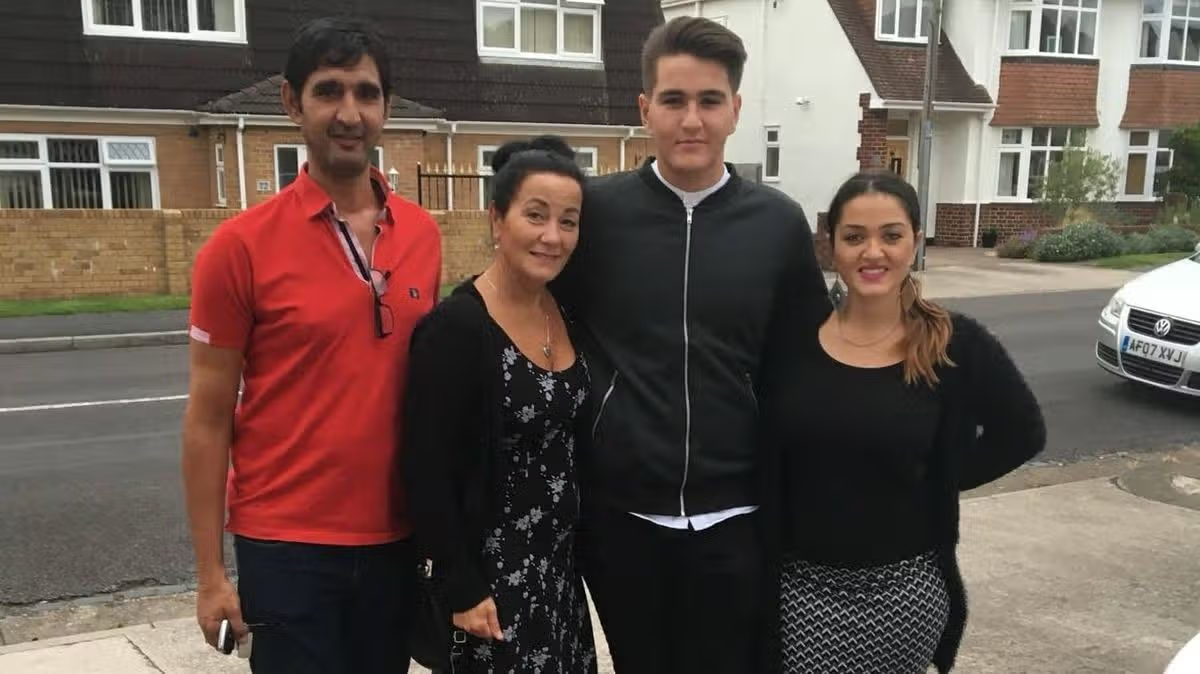
Student George Zographou was too excited about going to his first festival to let feeling poorly hold him back. Confiding in his big sister Nicole Zographou that he was feeling a fluey, George, 18, brushed it off, as she helped him pack for his trip with his mates to Newquay’s Boardmasters surf and music festival.
With no idea that he had a deadly meningococcal infection, driving from their home, he became increasingly unwell, developing a pain in his foot. Overnight his symptoms worsened and he began vomiting uncontrollably – his foot, by now, so painful he could no longer walk unaided.
Within hours he collapsed, suffering a cardiac arrest and catastrophic brain injury – a victim of meningitis B, a potentially fatal bug which targets teenagers and young adults. Five days later George’s family took the heartbreaking decision to turn off his life support.
That was nine years ago, in August 2017. Ever since, Nicole, 38, from Cardiff, has campaigned to raise awareness of MenB. She tells the Mirror: “If George hadn’t got meningitis B, he would be with us today. He would be 28, enjoying a good career, having finished university. There were four of us in our happy family. Now we’re like a three-legged chair and we don’t really function very well anymore without him.
“His death has bled into every part of my life. We were really close, and I miss him incredibly. I’d give the world to have him back. The coroner’s report said the only thing that would have saved him was a vaccination. That’s what it said on his death report.”
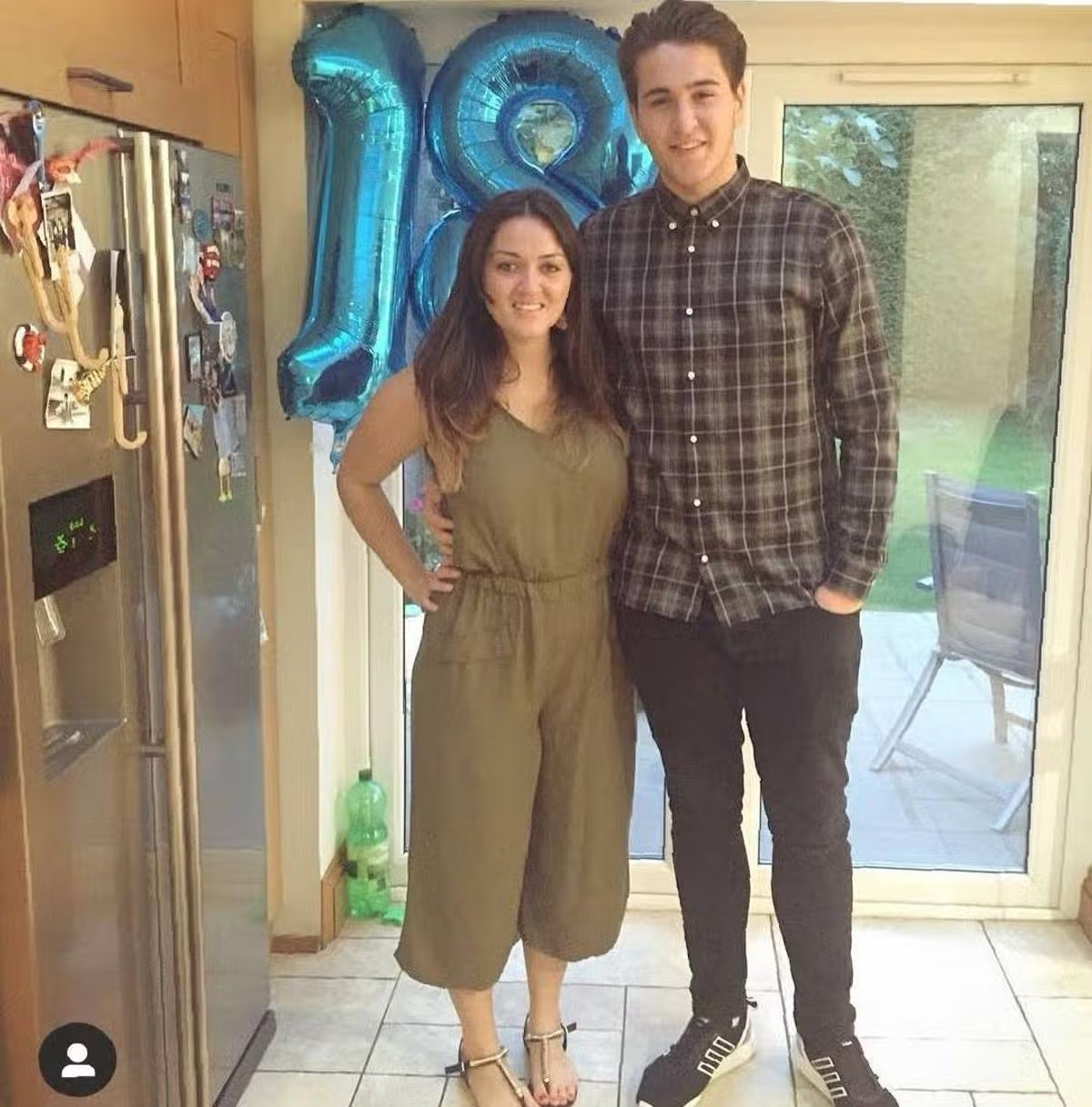
Nicole Zographou and her brother George, who died aged 18 from Meningitis B
But a one-off programme offering a million youngsters a two-dose vaccination – available at local pharmacies as part of a one-off NHS programme – has had a worryingly low uptake. The scheme was launched in England in June this year and in Wales and Scotland in July. Students in all three nations are urged to book their jabs at local pharmacies.
The initiative came after the UK’s largest and fastest-growing meningitis B outbreak in Kent this year and two further “unusual” clusters in Weymouth and Reading. The outbreaks left three teenagers dead – two in Kent and one in Oxfordshire. But NHS data suggests only one in four of those eligible have been vaccinated against the potentially fatal disease.
Jabs are available to young people who were in Year 13 during the 2025/26 academic year, first-time university students under 25, who will be living in halls or other residential accommodation, and international students under 25 starting at uni this year. Warning young people that vaccinations are imperative, Nicole, a senior health public practitioner, says: “Don’t think you’re invincible. Get the jabs and stay safe.”
Her warning comes after two teens were hospitalised with meningitis B in Suffolk earlier this month. Remembering her brother, she says: “George felt a little unwell. Five days later he was dead. That is how quickly this disease can take hold.
“That’s what is so frightening about meningitis. It can start with symptoms that seem ordinary. You might not realise how seriously ill someone is until they suddenly deteriorate so quickly, they cannot be treated.
“George was 18. He was young, healthy and enjoying his life. He had no reason to think he was in immediate danger. Neither did we. Please have the jabs and get protected. Please don’t make the mistake of thinking this won’t happen to you.”
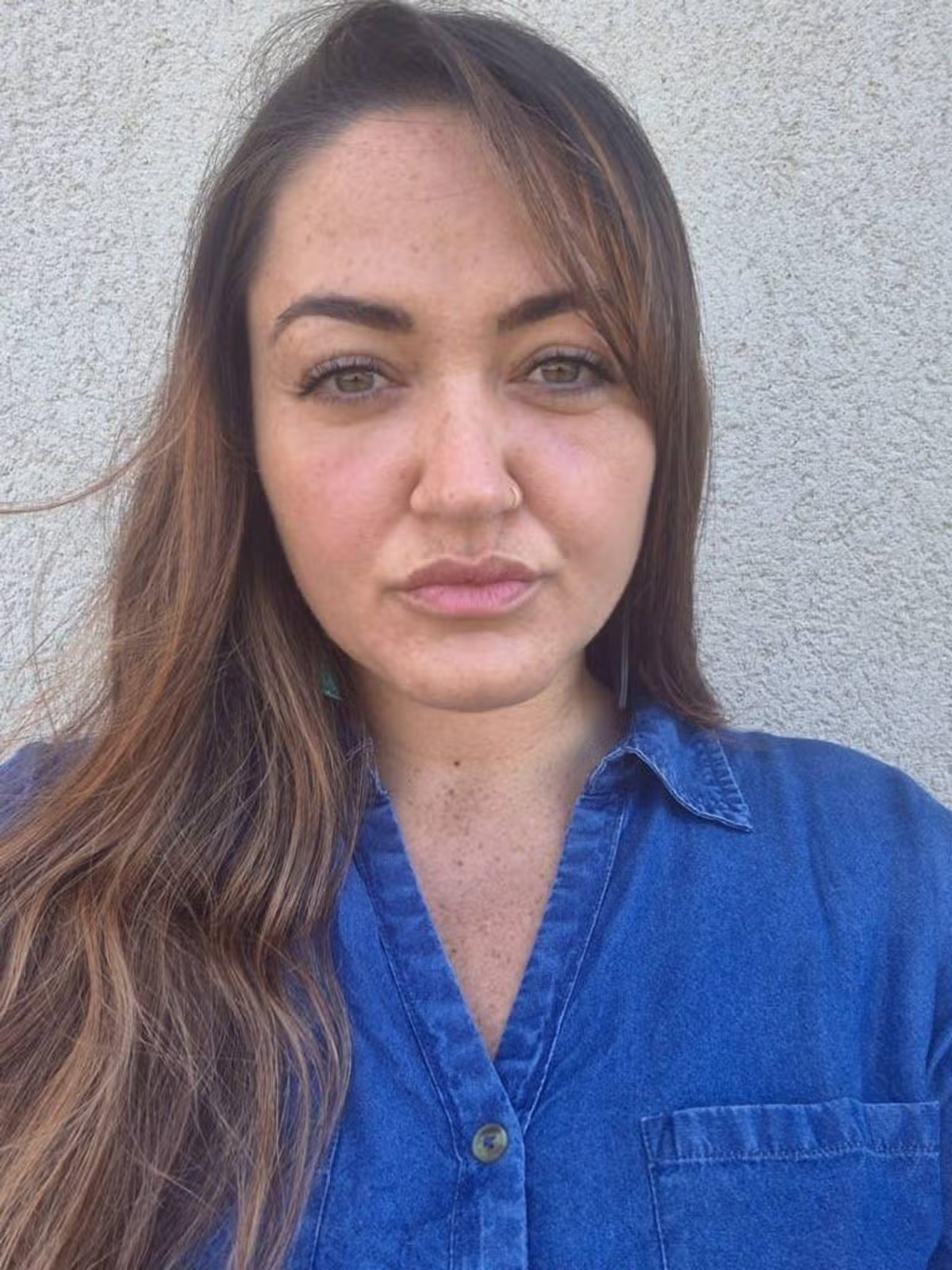
Nicole Zographou is urging people to get the MenB vaccine to save their life
A student at St Brendon’s Sixth Form College in Bristol when he died, Nicole says of George: “He told me he was feeling a little unwell and I advised him not to push himself. But he wasn’t feeling too bad, so none of us were too worried.”
Preparing to go to Ibiza for a week, she said goodbye to George and they went their separate ways. But, soon after arriving in Newquay, George sent texts to his parents, Elaine, now 73, and Andrew, now 59 – also Snapchatting Nicole in Ibiza – telling them he was feeling really ill.
The following evening, he went into cardiac arrest and stopped breathing for 12 minutes. Nicole says: “He’d been blue-lighted to hospital, placed on life support and was found to have suffered a catastrophic brain injury.”
Taking the first flight back from Ibiza, she was at George’s hospital bedside 10 hours later. She says: “He was brain dead. But we had no idea what was going on. The doctors were asking, ‘did he do any drugs?’ But George was not a risk taker and it could not have been that.
“We found out after three days that it was Meningitis B and his CT scan had shown he was never going to recover. After five days, we took the only decision we could – to turn off his life-support machine.”
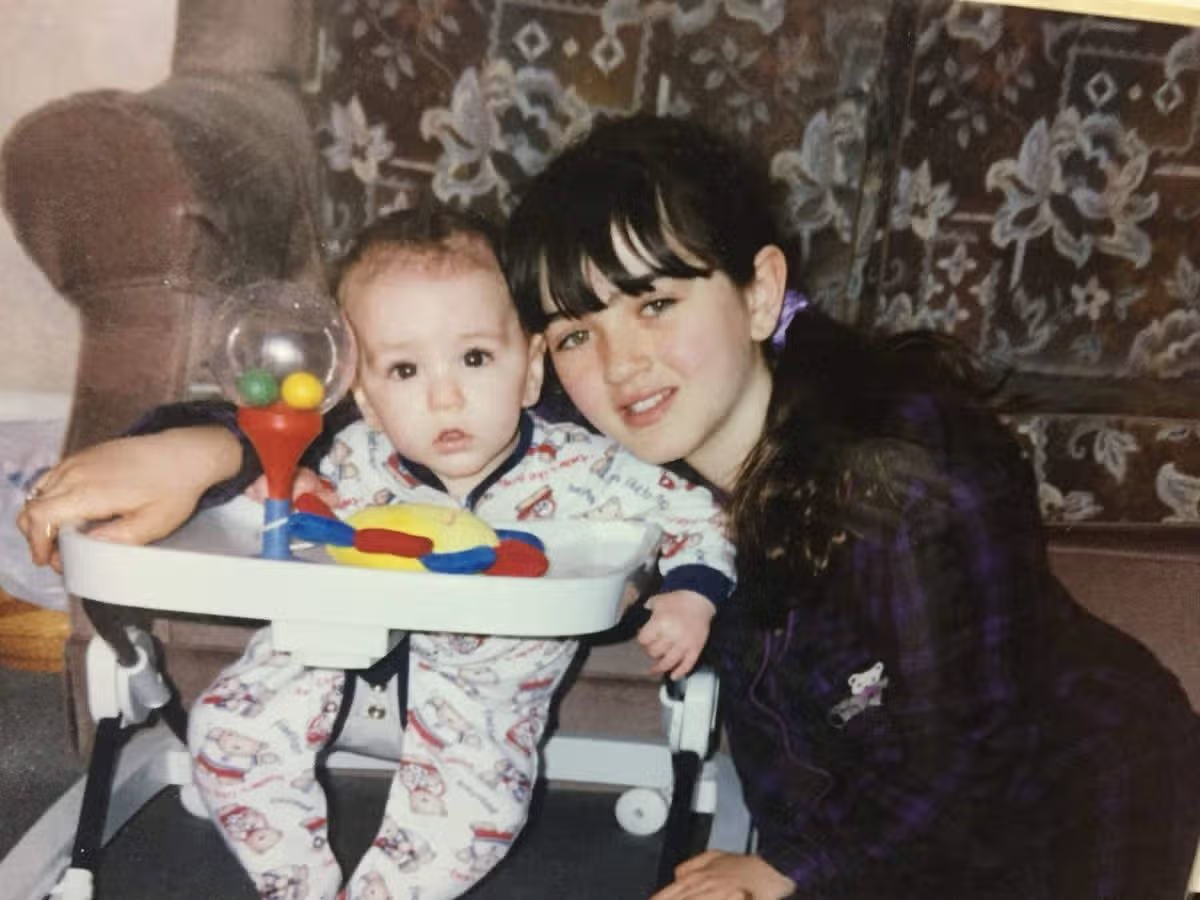
Nicole with her little brother George. The pair were very close
The year before, two girls at George’s college had contracted meningitis B. Only one survived. They had believed him to be vaccinated, but it was against different types of meningitis, as the meningitis B jab wasn’t available in 2017, when he died.
Nicole says: “Meningitis B is terrifying. No one is invincible and there’s nothing else you can possibly do to protect yourself from it, apart from being vaccinated.”
Pharmacist Wendy Lee has issued a call to arms for students to take-up the free Meningitis B vaccinations. She says: “George’s story is tragic, but sadly not an isolated case. Meningitis is a terrifying infection. You’ll feel seriously unwell very quickly and it can turn life-threatening within a matter of hours.”
Well Pharmacy deputy superintendent Wendy’s warning comes as thousands of UK students prepare to start a new university term later this month. She says: “Although the meningitis B vaccine is now available free of charge for students from year 13, we are extremely concerned by its current slow uptake.
“The new university term is now just weeks away, and we urge all eligible students to get themselves booked in at their local pharmacy for an injection that might just save their life. Meningococcal bacteria can be carried harmlessly in the throat, but in a small number of cases they can invade the bloodstream or cause meningitis and become life-threatening extremely quickly.
“If someone has a stiff neck, a dislike of bright lights, or is becoming confused and difficult to wake, these are serious red flags. Seek immediate emergency help, do not wait for a rash to appear. Around one in four 15–19-year-olds carry meningococcal bacteria in the back of their throat without knowing it. Most never become ill, but in rare cases the bacteria can invade the bloodstream or cause meningitis and become life-threatening.
“It’s also really important to remember that the meningitis B vaccine requires two doses, given at least four weeks apart. If you’ve already had your first, make sure you go back for your second appointment. The second dose is important to complete the course and give you the best protection, so don’t assume that having your first jab means you’re fully protected. If you’re heading off to university, check when your second dose is due and make sure you get it booked in.”