
Leaves crunch beneath my feet as I pick my way through the muted hush of Moorlands nature reserve on an early-morning.
It’s a cold, crisp day; the sky overhead is a washed-out shade of watercolour blue, and it perfectly sets off the growing golden-orange glow of the trees around me.
An early autumn is here in earnest thanks to the hot and dry summer, and jewelled fungi are beginning to pop their heads through the leaf litter and out from the bark of trees. Jays cackle and finches twitter overhead, and there’s nothing better than a moment spent with flask in hand on a fallen piece of deadwood taking a moment to see what I can spot.
Here’s Yorkshire Wildlife Trust’s guide to the very best of your autumn wildlife…
Autumn colour
Leaves change their colour in the autumn because they lose chlorophyll, the pigment that makes them green, as the weather cools and changes. Chlorophyll masks all of the other colours and pigments found in leaves – those familiar colours of autumn, oranges, reds and yellows – so when chlorophyll is lost these colours are on full festive display.
Moorlands nature reserve. (Image: Photo: John Potter)
Yorkshire is filled with a wealth of amazing woodlands to enjoy seasonal colour at – but some of our favourites near York include glorious Moorlands nature reserve, with its nature trail and bright autumn colour and sculptural Hetchell Wood nature reserves near Leeds.
Recommended reads:
These remarkable old photos show a side of York that has almost disappeared
City-centre building site unearthed York’s lost Viking city – and stunned the world
LNER passengers face journeys up to two hours longer during weekend rail works
There are also some awe-inspiring plant-related sights to keep your eyes out for at Askham Bog – autumn is the very best time to look for our centuries-old royal ferns, which can reach up to 3m in height, before they die back for the winter.
Migration sensation
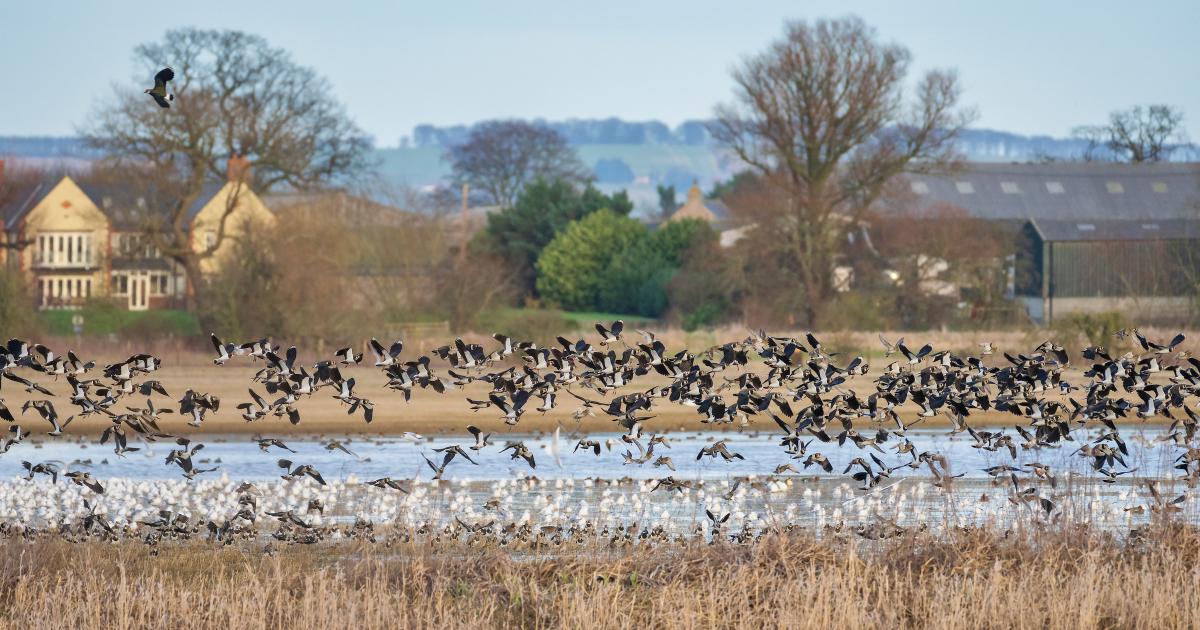
As summer shifts into autumn, wildlife is on the move. Our nature reserves are like airports for birds, with winter species arriving, summer species departing, and migrant birds stopping off to rest and refuel. It’s the most exciting time of year for birdwatchers, as rare or surprising species can often be seen on migration – passage waders, scarce warblers from Siberia, an influx of waxwings – and skeins of pink-footed geese begin to fly south at dusk to feed, particularly in East Yorkshire.
Birders looking for something a little special have plenty of places to explore in Yorkshire. Askham Bog is a brilliant place to listen out for jays and spot redwing hopping between the branches, whilst Wheldrake Ings just south of York plays host to an amazing range of overwintering wading wildlife – although do check the paths aren’t flooded before you visit. Ripon City Wetlands is also worth a visit – for the beauty of its wetland pools in the cooler weather as much as for the awe-inspiring starling murmurations it hosts as the year draws to an end.
Barn owls
Owls have had a mixed history in the mythology of England, variously believed to bring both bad and good luck – much of this stems from the owl’s association with night and darkness. Historically they were also believed to be able to predict storms!
Barn owl at Staveley nature reserve. (Image: Helen Ferneyhough)
Owls are almost inaudible in flight, a skill afforded to few other birds and a result of their unique feather structures and wing size – much larger in comparison to their body than many other birds. They also fly much slower than many other birds to remain silent to their prey, which often means more of an experience for any lucky watcher.
Try Staveley nature reserve for a glimpse of our famous resident barn owl – dawn or dusk if possible – or Moorlands for other species such as tawny owls and little owls.
Fungi frenzy
Fungi are a huge and fascinating kingdom with over 15,000 species in the UK, and they play a vital role in our ecosystems. Studded jewel-like across our woodland floors in purples, reds and whites, in circles or clinging to fallen rotten branches, the fruit bodies – the parts you can see – begin to emerge in autumn.
Fungi at Moorlands nature reserve. Photo: Dave Wilkinson
Whether you just like the whimsical names – dead man’s fingers, ballerina waxcaps and stag’s horns – or you’re a dedicated fungi fanatic, make sure you come along to Yorkshire Wildlife Trust’s fungi festival at Potteric Carr nature reserve on the 10th and 11th October.
There will be plenty to enjoy, from guided walks, grow-your-own talks and cooking classes to craft workshops, a Mushroom makers market and spotters guides for those who fancy a longer walk.
You can also spot fungi at Moorlands nature reserve throughout autumn into winter – keep an eye out for puffballs, stags horns and more! Take a photo and leave the fungi fruiting peacefully on the reserve for other people to enjoy.
Want to find out more about the reserves mentioned in this article?
Why not check out the reserves pages on Yorkshire Wildlife Trust’s websites and plan an autumnal adventure? ywt.org.uk/nature-reserves.