
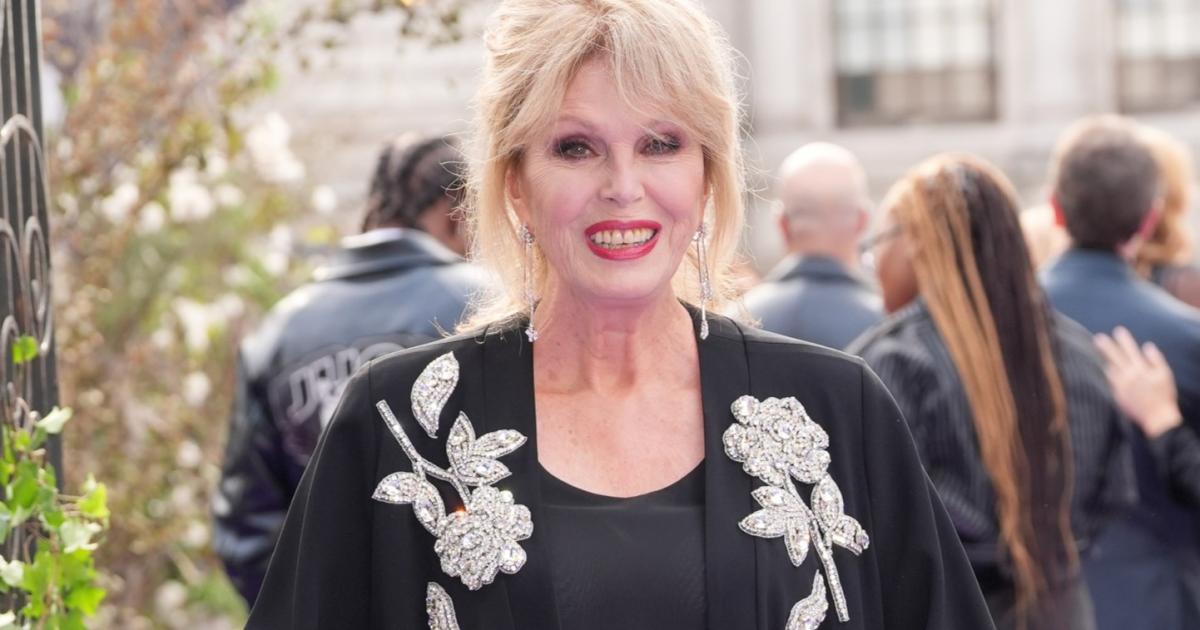
All that will be put to rights when a plaque is unveiled next month by national treasure Joanna Lumley outside Edith’s former Hampstead home.
Both Lumley and plaque organiser Brian Ferris believe the writer, artist and anthropologist – who successfully lobbied for Albania to gain independence – deserves to be better known.
The blue plaque to Edith Durham is not English Heritage but has been privately funded and will be unveiled by Joanna Lumley in Hampstead in mid October. (Image: Brian Ferris)
Mr Ferris said: “I first travelled to Albania in the late 1980s and like Edith I fell in love with this fascinating country.
“I noticed the name of Edith Durham kept popping up in street names and when I did some research I discovered this brave Edwardian traveller who went all over Macedonia, Montenegro, Serbia and what is now Albania in the early years of the last century.
“That was like going to the moon in those days for a woman travelling on her own – although she was treated very well.
“She wrote books about the region, was a war correspondent for The Times, and was instrumental in creating Albania as an independent state in 1912.
“Every school child in Kosovo knows her name but nobody in this country has ever heard of her – yet as a role model for young women you would be hard put to find someone with more guts.”
A street in Albania named after Edith Durham who campaigned for the country to win independence. (Image: Wikimedia Commons)
Mr Ferris lobbied English Heritage to install a blue plaque on one of her north London homes – including Glenloch Road, Belsize Park where she spent the last 20 years of her life.
But he claims English Heritage told him Edith wasn’t sufficiently well known.
Then he discovered Edith had lived for the first 10 years of her life at a property in Hampstead.
A portrait of Edwardian explorer Edith Durham who will be celebrated with a plaque on her former home in Hampstead. (Image: Wikimedia Commons)
“The owner was happy to go ahead so we had a plaque made and raised some money with the Anglo Albanian Association and Kosovo embassy and Joanna generously chipping in.”
He explains that Edith was a stay at home carer for her sick mother who was prescribed travel by a doctor to avoid a breakdown.
“She was the oldest daughter, unmarried who nursed her mother until the doctor said ‘if you don’t get away you will have a break down’.
“So she made her first foreign trip down the Dalmatian coast – then after her mother’s death she was back and forwards to Hampstead.
“She died in 1944 and was cremated at Golders Green.”
Over the years Edith formed the Anglo-Albanian Society to pressurise Britain to recognise Albanian independence and campaigned for famine relief after the Balkan Wars.
She was also an artist whose textiles are kept in multiple museums; the first female vice president of the Royal Anthropological Institute; and wrote books about the customs and places she visited.
Lumley read from one of them – Hi Albania written in 1906 – during an event at the Kosovan Embassy.
She will also attend a private event in mid October to unveil the plaque amid hope that passers-by might want to learn more about an extraordinary historic figure.