
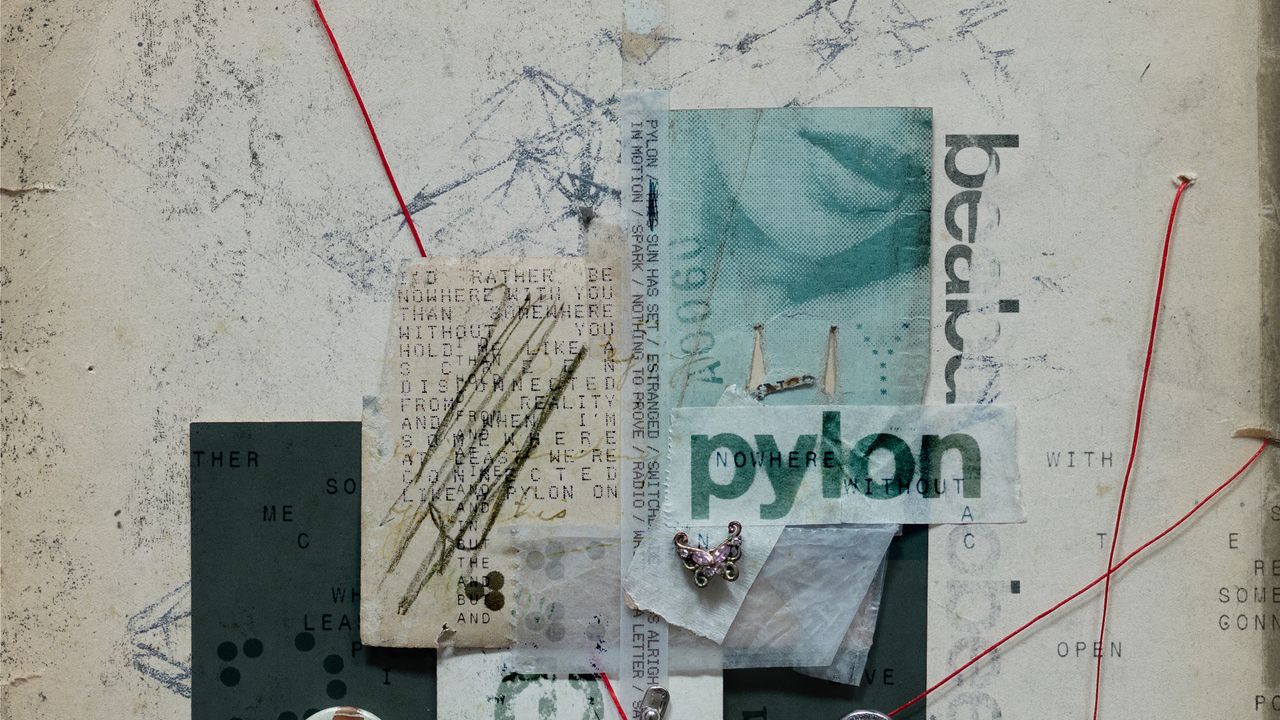
Last year, the fashion writer Biz Sherbert went to a Deftones concert in Atlanta and interviewed attendees before the show. The 2020s revitalization of the alt-metal pioneers is pretty well established at this point, but Sherbert’s documentation showed off the band’s popularity with young women specifically; she photographed teenagers and college students in miniskirts and tank tops, many of whom had discovered Deftones algorithmically, through Spotify or TikTok. The scene looked a lot different than the one I remember from seeing the band in 2003 in a sea of black-clad nu-metal bros. One group of young women even called Deftones a “girl band,” exclaiming, “This is girly pop music!”
So when Deftones vocalist Chino Moreno shows up to do backing vocals for the last track of Beabadoobee’s latest album, it makes all the sense in the world, Beatrice Laus, currently 26 years old, has made her share of music that could be called “girly pop,” but with her fourth studio album, Pylon, she threads the needle between her usual brand of sweet-but-melancholic pop rock, and a newer, rougher sound. The ingredients that gave 2024’s This Is How Tomorrow Moves its darling tweeness—peppy horns, tender piano—have been replaced with elements that will please anyone who spent their adolescence learning how to professionally glower: tapped harmonics, twirly twin guitar loops, sludgy riffs, screeching feedback. It’s a reverse Sour Patch Kid situation—first Beabadoobee was sweet, now she’s getting sour.
No score yet, be the first to add.
To solidify the vibe shift, Laus has tapped an impressive breadth of alt-rock stars from the past couple of decades. Besides Moreno, we get vocals from Hayley Williams, guitar and songwriting contributions from Title Fight’s Shane Moran, one song co-written with Evan Stevens Hall from Pinegrove (one of Laus’s favorite bands, to the point of her getting a Pinegrove neck tattoo last year), and an appearance from Turnstile’s Brendan Yates so dour that, at first listen, I thought he was Bladee. The guestlist is stacked, but nothing on the album sounds particularly like Pinegrove or Deftones or Title Fight (Paramore is maybe the closest comp). Rather, the guests seem like they’re here to gently cheer on the grunge-ification of typical Beabadoobee mode: easily digestible lyrics about the turbulent emotions of young adulthood with sticky, straightforward melodies.
Laus’ 2020 album Fake It Flowers had its share of dissonance, but Pylon is much more committed to getting heavy. The title track opens the album and sets the tone, building a churning, Goo Goo Dolls-y string arrangement to complement Laus’ somewhat oblique simile about long-distance relationships and electricity pylons, then pulling the pin on a grenade of distortion, its static crackling loud enough to scratch your eardrums raw. “Radio” juices an I bet you think this song is about you theme with a big, sarcastic guitar riff that zigzags over a thick bed of fuzz. Laus’ voice, always a source of lightness in her songs, has developed a pleasant, fluttery vibrato over the past couple of years, but the moments when she tries to match the intensity of the music by pushing her vocals to the edge—snarling on the pop punk-ish “Sun Has Set,” or shouting “Honesty is hard to come by!” amid snarky gang vocals on “In Motion”—draw attention to how hard she has to work to sound pissed off. It actually feels more interesting when she lets the radiance of her vocals shine over the more abrasive sounds. This contrast is best demonstrated on “Write Me a Letter,” an indie pop track that turns into a mall-punk anthem midway through. “Need you to stay/You make me better,” Laus sings with maximum earnestness, her voice soaring over crunching, syncopated guitars that would have gone crazy auto-playing on a MySpace profile in 2006.