
The water main, which burst on the north side of the A35 Southampton Road, caused chlorinated water to flow into the headwaters of the Beaulieu River.
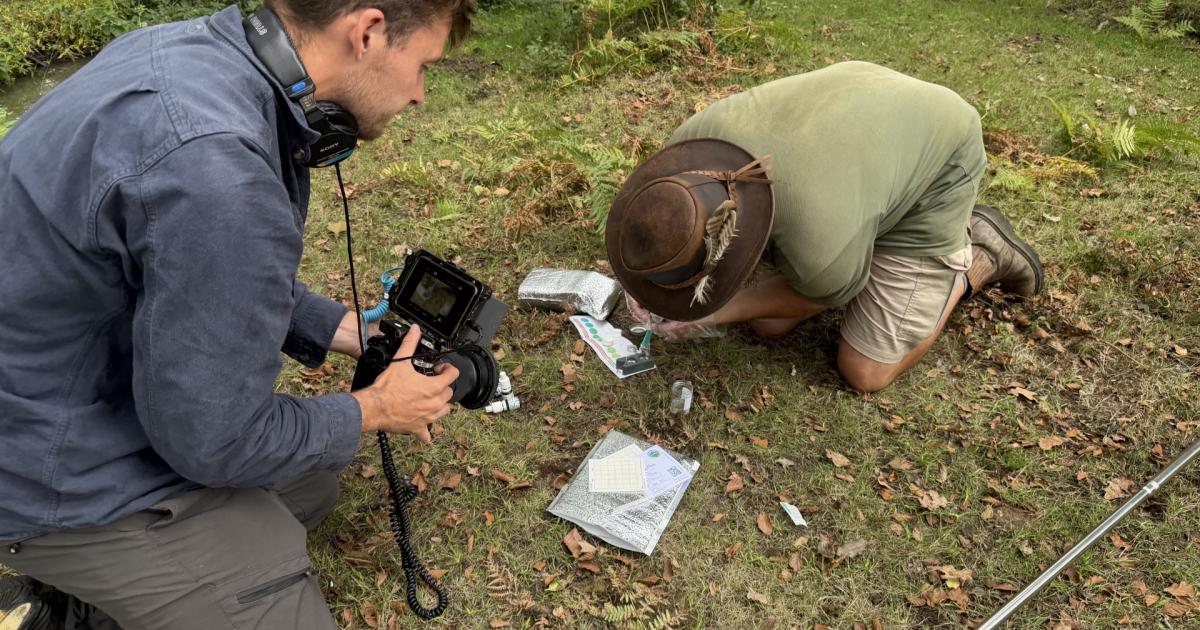
New Forest Water Watch (NFWW) attended the scene, between Lyndhurst Golf Club and Lyndhurst Wastewater Treatment Works.
A spokesperson for New Forest Friends of the Earth: “When we arrived, the stream was visibly stained yellow.
“We immediately began testing. Nitrate levels were extremely high, and chlorine was also elevated.”
The group also confirmed the presence of E. coli, with results showing approximately 1,200 CFU per 100 mL, although the source was not established.
High concentrations of chlorine can be harmful to aquatic life, including fish and small invertebrates, which are essential to a healthy freshwater ecosystem.
The incident could have far-reaching effects beyond the initial visible yellow staining, potentially impacting sensitive aquatic organisms.
The spokesperson added: “The effects may extend beyond the yellow staining visible at the time.
“Sensitive aquatic organisms could be affected, and ecological impacts can continue after the water appears clear again.”
NFWW, along with Professor Russell Wynn of New Forest Biodiversity Forum, is carrying out ongoing monitoring of the situation.
NFWW volunteers will continue to follow the pollution downstream.
The Beaulieu River, which has been monitored for the past five months, showed a progressive reduction in E. coli before this incident.
The water main failure was the sole cause of the incident, and the area was subsequently treated with chlorinated water.
NFWW has stressed the importance of independent evidence to assess the full extent of the impact.
Southern Water was approached for comment.