
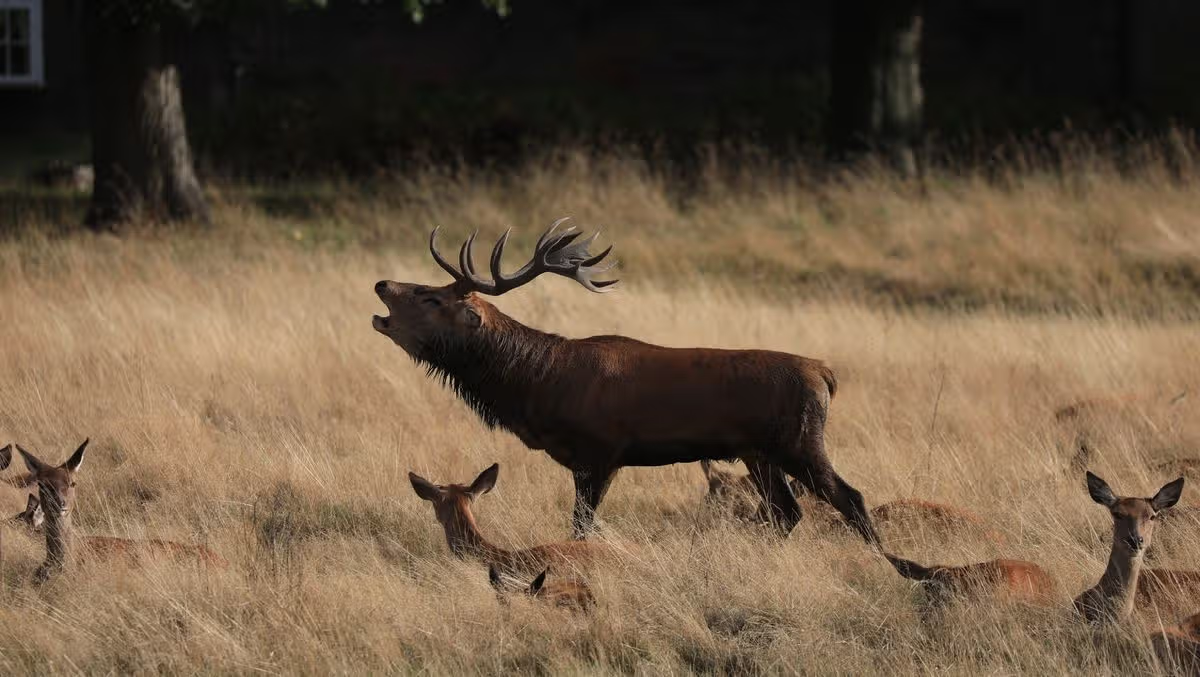
The park will be closed at certain times due to the danger to visitors during the ‘deer cull’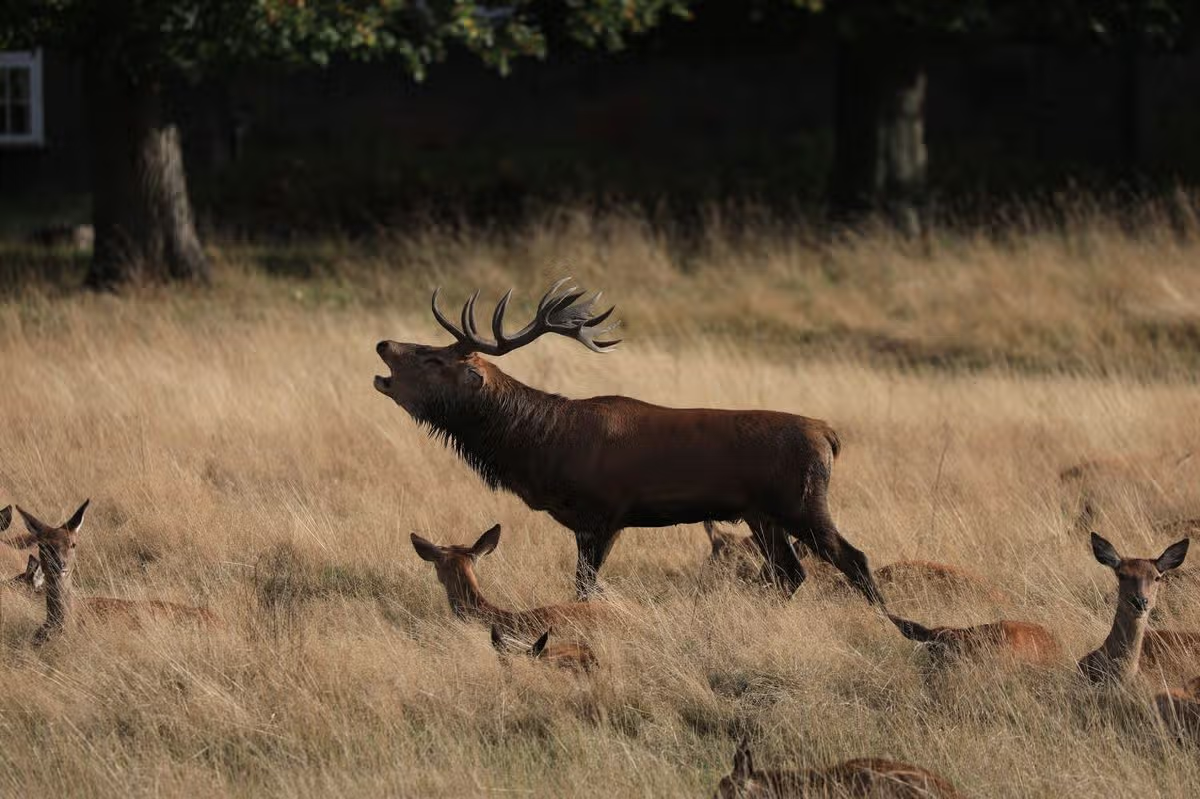
The Royal Parks has begun its yearly culling of deer in Bushy Park as a way to manage numbers (Image: James Wendlinger/Getty Images)
The Royal Parks has announced the beginning of its annual culling of fallow deer that roam Bushy Park.
Bushy Park in Kingston Upon Thames is home to around 320 red and fallow deer. Fallow deer have been roaming Bushy Park since Tudor times. Red deer are the largest mammal native to the British Isles, and in summer their coats are glossy red. Fallow deer are smaller, and their summer coats, usually spotted, range from cream to darkish brown.
Bushy Park receives over 5 million visits a year. The yearly dear cull is necessary to prevent overcrowding and keep ‘herds at a sustainable size’. Deer culling is supported and endorsed by the British Deer Society and the Deer Initiative of England and Wales as best practice in deer herd management.
The yearly cull started on September 1, with visitors to the park told that it would be closed at certain times. The gates are open as normal on the weekends. But, a notice outside Bushy Park read: “For visitor safety, from the beginning of September for 6 weeks and again at the beginning of November for 6 weeks, the vehicle gates will close at 19:00 and pedestrian gates at 22:30. Both gate types will open from 8:00”.
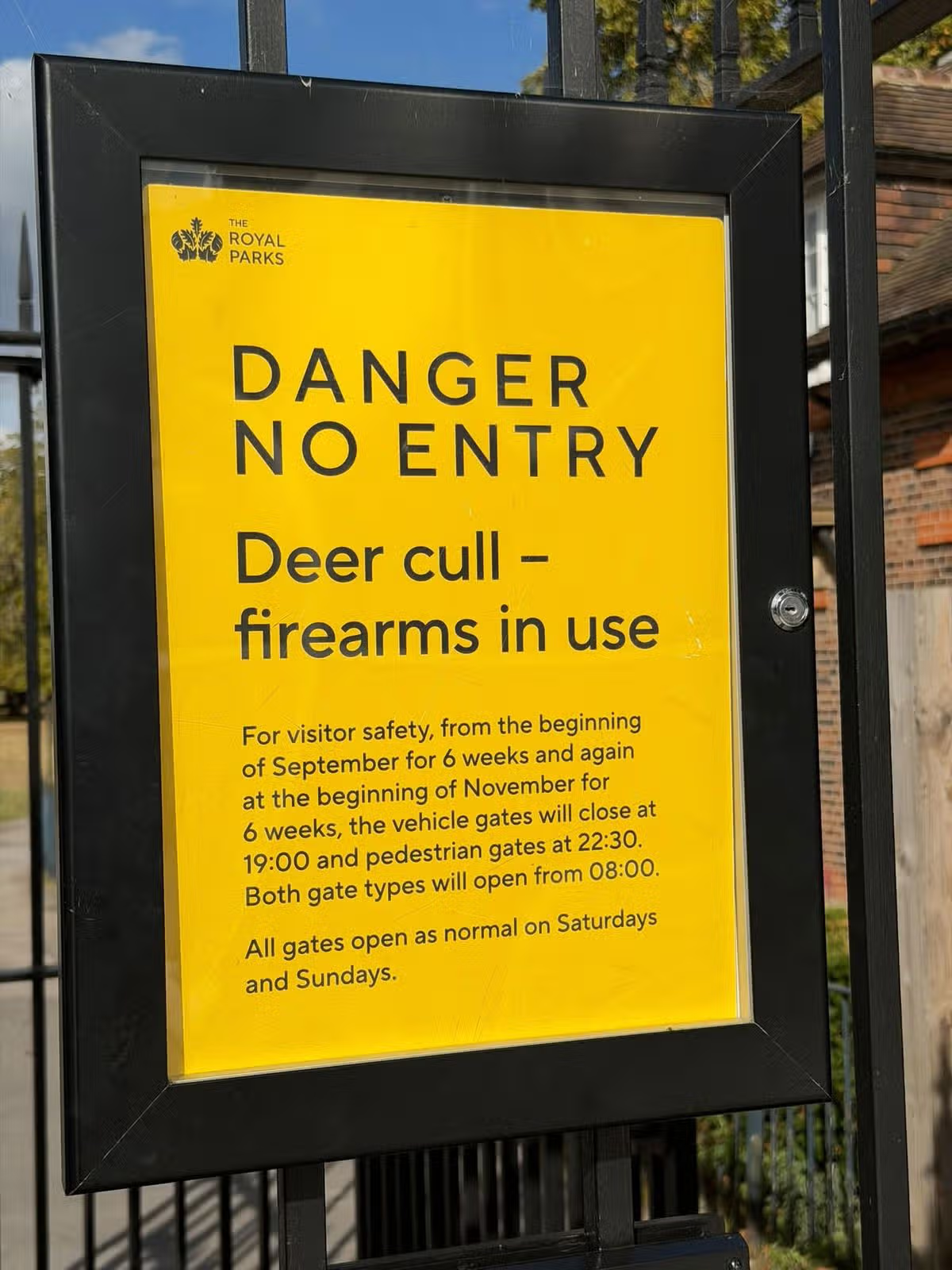
The deer culling happens for six weeks from September and then again in November(Image: Facebook)
Deer culling involves using firearms to manage the population. The Royal Parks claim this is necessary, as if the herd size were not managed, it could lead to overpopulation and reduced food availability, which would ‘ultimately make the deer suffer’.
Royal Parks state that deer culling is strictly for ‘welfare reasons’ and not for profit. The venison is sold, with the money raised going toward the cost of deer feed and the Wildlife Officers who are employed to look after the deer.
Wildlife campaigners have questioned why contraceptives or neutering couldn’t be used instead of culling – the Royal Parks claims there are too many limitations with trying to use contraceptives on wild animals.
Royal Parks state that administering oral contraceptives would not work as any urine or droppings from the treated deer could ‘contaminate’ the wider habitat. Wild deer in the parks cannot be rounded up or handled without causing severe stress and injury, which means the Royal Parks would not be able to inject them with contraceptives.
They also state that if the deer population were to get older, this could lead to poor social structures, as no juvenile deer would be coming through. Deer culling also happens at Richmond Park.
Don’t miss out on the biggest local stories. Sign up to our MySouthLondon newsletter HERE for all the latest daily news and more