
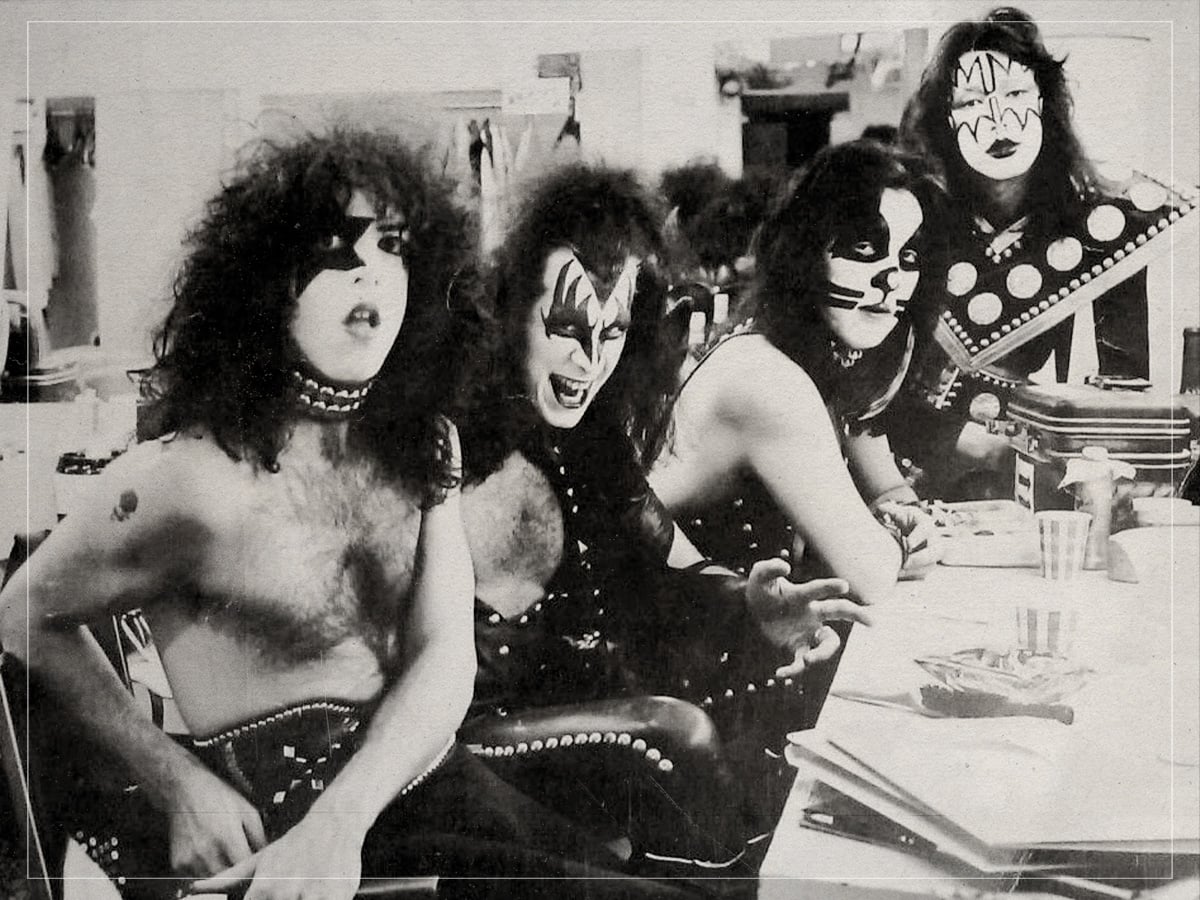
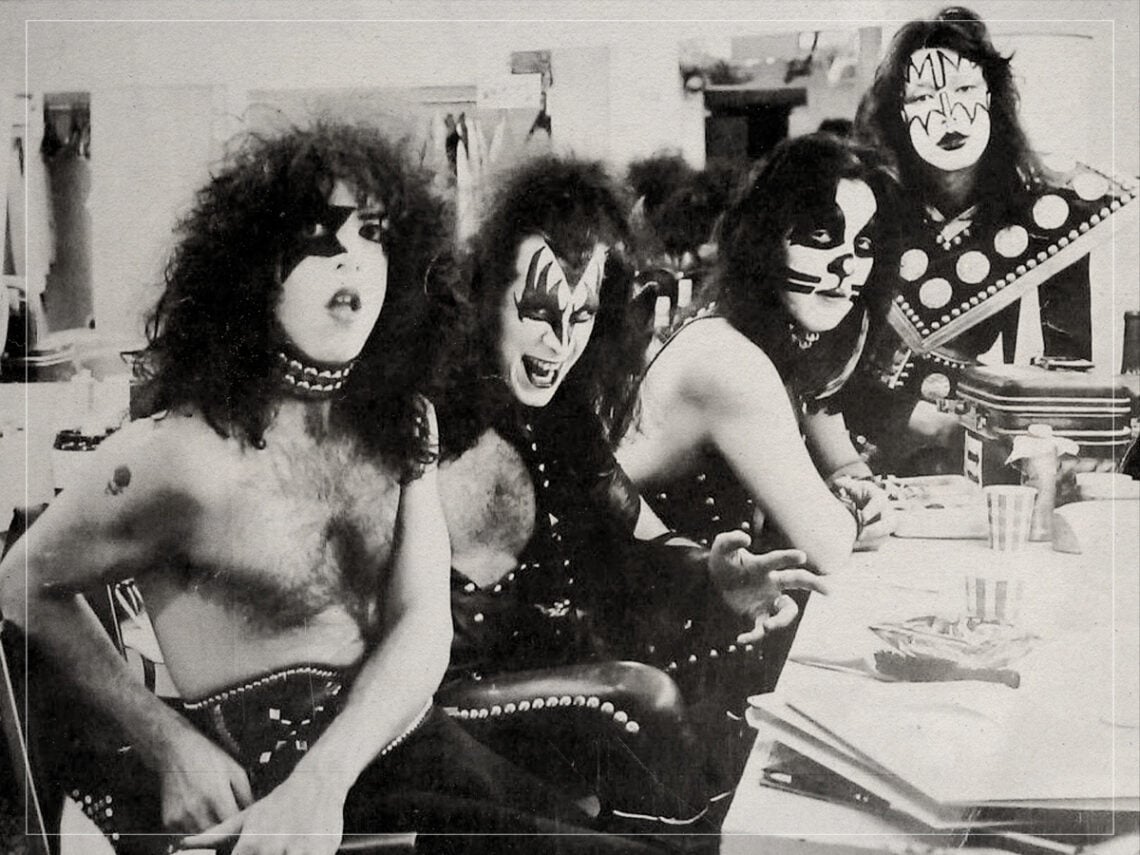
Credit: Far Out / Casablanca Records
Sun 20 September 2026 23:00, UK
1979 was the year that Kiss first started playing with their hard rock formula.
Before then, the New York glam quartet had cruised along a hard rock template injected with comic book escapism from the superhero greasepaint guises of the respective band members.
Success wasn’t instantaneous; indeed, Casablanca Records nearly dropped the band due to lacklustre album sales, but once 1975’s Alive! finally set the charts alight, Kiss were catapulted to hard rock royalty, and the merchandising empire kicked off in earnest.
However, creative curiosities and an eager orbit of pop’s shifting trends sparked a break from pure rock and roll to explore the new sounds scoring other parts of town. Across Manhattan, disco was setting clubs and dancefloors on fire with a shimmering brew of soul, funk, and four-on-the-floor backing beats in active rejection of the rockist grip of critical esteem. Such soundtracks weren’t obvious creative pointers for Kiss, but the evenings of hedonistic abandon were intriguing enough to pull the ‘Starchild’ frontman to Midtown’s most premier disco club.
“It started after a night that I spent at Studio 54, the famous New York nightclub,” Paul Stanley reflected in 2016’s Behind the Mask, “Studio 54 was a den of iniquity; it was sordid, to a level and degree that I wasn’t completely comfortable with. It was hardcore debauchery; sexual relations between everybody and anybody and drugs everywhere.”
“It was beyond me,” he added, “But I loved going there to dance. Nobody at Studio 54 wore a white suit and danced like John Travolta. I could go down there in jeans and a T-shirt and dance. Sometimes I’d go there on a Saturday night and not leave until the next morning.”
Whatever misgivings were had regarding the core disco lifestyle, Stanley had been bitten by the glitterball bug. Inspired, he eventually found his way home and toyed with a drum machine to recreate a typical high BPM, while lyrically jotting down a piece attempting to capture disco’s ephemeral urgency and its total existence in the moment. The song started writing itself. Before long, the basic foundations of ‘I Was Made For Lovin’ You’ were ready to be submitted to the Kiss team.
Further reading: From The Vault
Kiss? Disco? Could it work? Commercially speaking, ‘I Was Made For Lovin’ You’ was a roaring hit, peaking at number 11 on the Hot 100 and pushing the Dynasty album to a respectable top ten, but much of the Kiss fanbase was aghast.
The hard rock superheroes could plaster their face on lunchboxes, lark about in the Kiss Meets the Phantom of the Park TV movie, but drop a Studio 54 thumper during the heights of the “Disco Sucks” campaign? For many fans, such a move was unforgivable.
‘I Was Made For Lovin’ You’ has endured in the Kiss canon, a staple at their live shows, albeit with the disco dialled down. But it was the end of an era; what followed was a string of stylistic detours from glossy pop rock to stodgy concept albums, plummeting to the ultimate nadir of their unmasked chapter when jumping on the glam metal bandwagon throughout the 1980s.
