
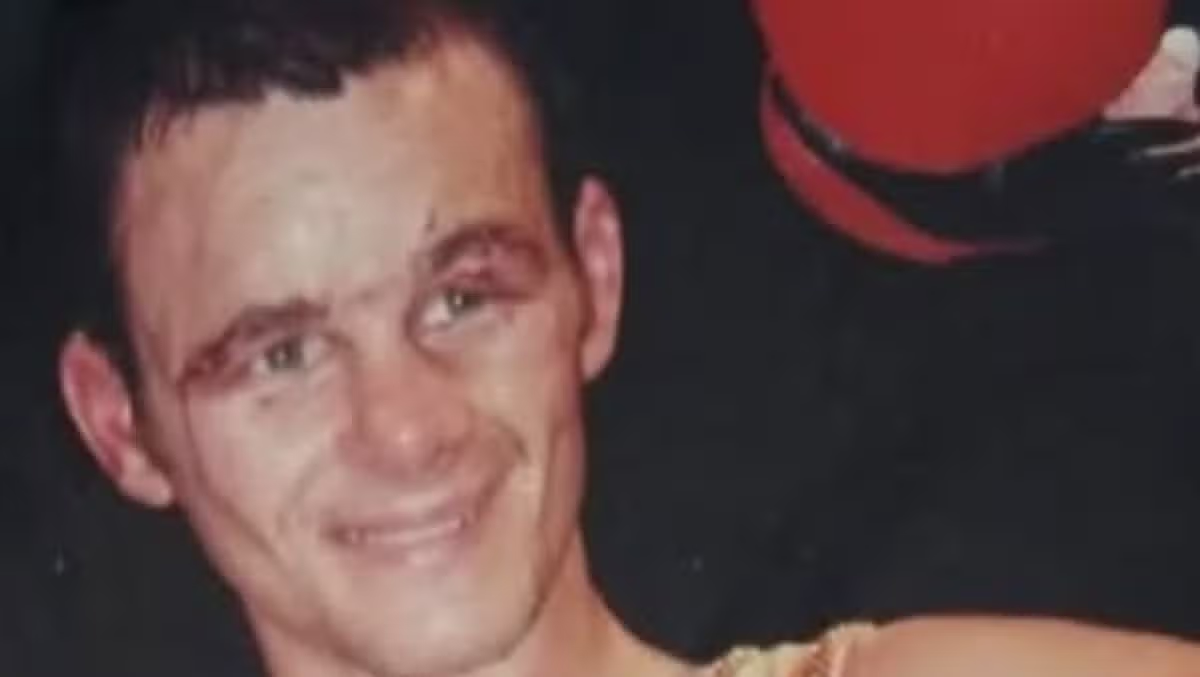
Paul ‘Livewire’ Lloyd was not only one of the finest fighters Merseyside produced in his generation but also a boxer whose journey inspired countless others
13:32, 21 Sep 2026Updated 13:43, 21 Sep 2026
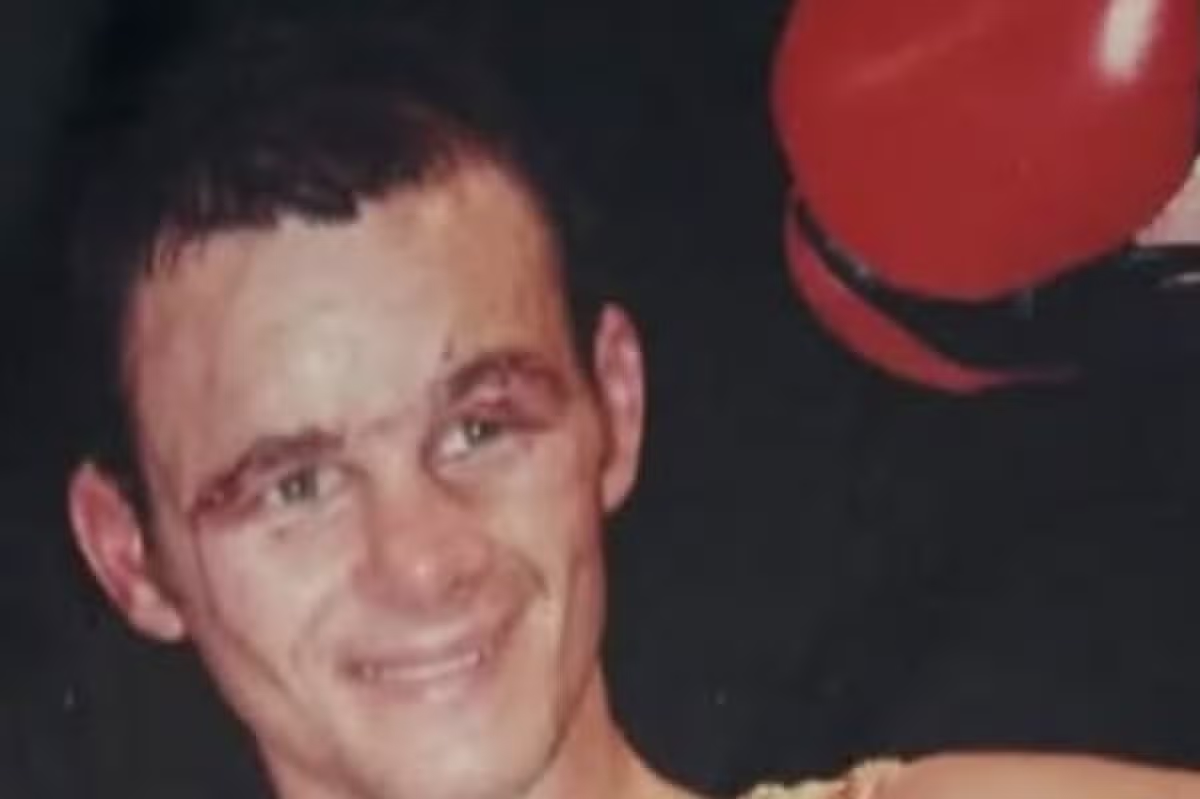
Paul ‘Livewire’ Lloyd has died aged 57
Merseyside boxing, and indeed the wider British fight community, were left reeling over the weekend by the news that former British, Commonwealth and European champion Paul ‘Livewire’ Lloyd had died at the age of just 57. From his beginnings at Vauxhall Motors ABC in Ellesmere Port, Lloyd climbed from an outstanding amateur prospect to become a British, Commonwealth and European champion, testing himself against world-class opposition and building a record that places him among the most accomplished fighters ever produced by the region.
Long before his professional success, Lloyd had established himself as one of the country’s outstanding amateurs. He won the 1990 ABA title by defeating talented Londoner Patrick Mullings and, fulfilling a dream of his since he was a teenager, earned several England vests at a time when the domestic scene was fiercely competitive.
He boxed at the World Cup in Bombay and then came agonisingly close to reaching the 1992 Olympic Games, losing a final qualifying bout in Poland by just a single point. Named as a reserve for Barcelona, he ultimately never made the trip but was instead selected for the prestigious Canada Cup in Ottawa. There he claimed gold medal honours, recording victories over elite international opposition, including Cuba’s Lorenzo Aragon, at a time when the island nation dominated the sport.
These performances confirmed his reputation as one of the most gifted young boxers in Britain and only heightened expectations about his professional future. With his amateur career ending on a high, Lloyd joined the influential John Hyland and Stephen Vaughan promotional team and turned professional in Liverpool in September 1992.
A third-round stoppage on his debut hinted at what was to come. Lloyd was a gifted boxer, but he could also punch, stopping 14 opponents during a professional career that blended speed, timing and aggression. Fast-handed, intelligent and technically accomplished, he combined relentless work-rate with a willingness to take chances, qualities that soon earned him the nickname ‘Livewire’.
The rise through the professional ranks was not without setbacks. He captured the Central Area title in his tenth contest and soon established himself at the forefront of a strong domestic bantamweight division despite suffering several frustrating cut-related defeats, a recurring problem throughout his career. One of those setbacks came against local rival Richie Wenton in a memorable British title fight at Chester’s Northgate Arena in 1995, widely regarded as one of the year’s best domestic contests.
Lloyd responded in typical fashion. He claimed the Commonwealth belt in 1996 and defended it three times before stepping up to challenge unbeaten American Tim Austin for the IBF world championship in Hull. Defeat there did little to derail him. Within months he had added the British title and, in 1998, reached the pinnacle of his career by capturing the European crown in arguably one of the year’s greatest contests – a thrilling 12th and final round KO against France’s Luigi Mancini.
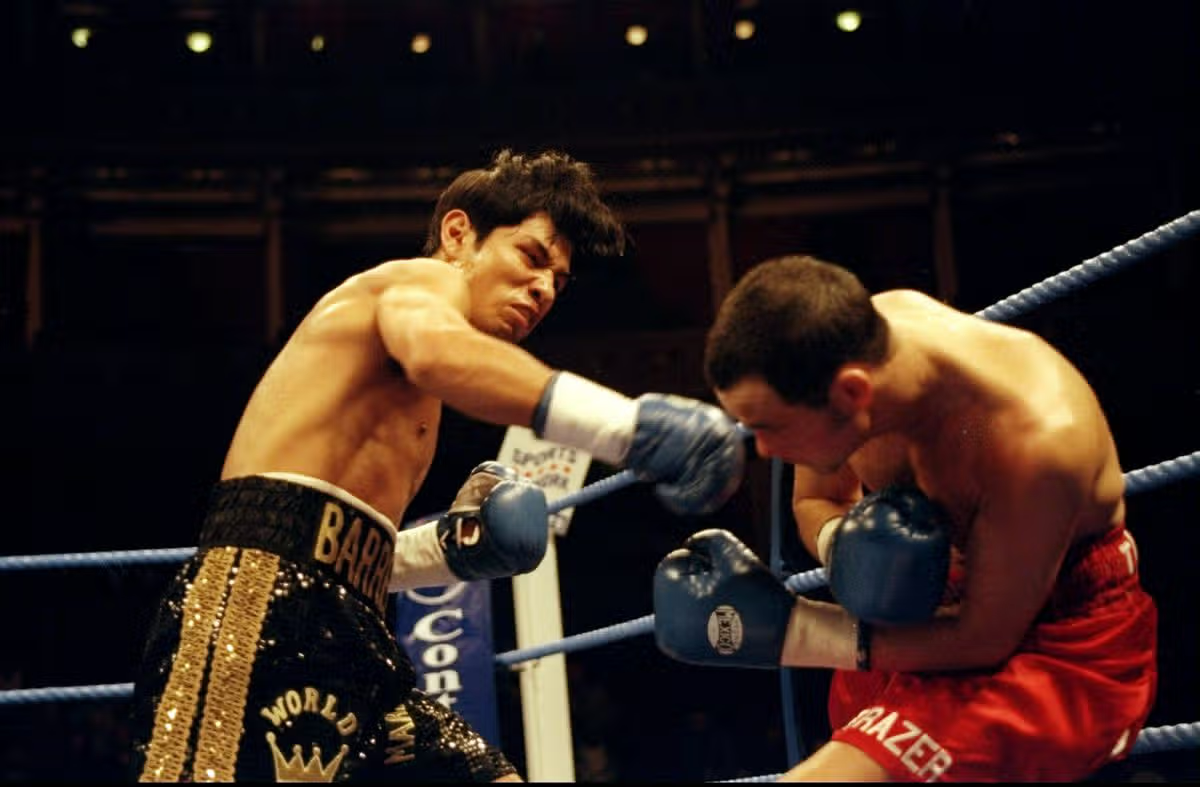
Paul Lloyd during his fight with Marco Antonio Barrera(Image: (John Gichigi /Allsport))
Those achievements earned him opportunities at the very highest level. The following year, he challenged the brilliant Marco Antonio Barrera for the WBO super-bantamweight title at the Royal Albert Hall and later fought Johnny Bredahl for the European title and Noel Wilders for the IBO crown.
The challenge to Wilders for the IBO title in London in July 2000 proved to be the final fight of his career. A world crown ultimately eluded him, but few British fighters of his era were willing to test themselves against such accomplished opposition.
Like many former fighters, Lloyd found retirement from the ring far from straightforward and experienced difficulties away from boxing. Such struggles are not uncommon among men whose lives have been shaped by the discipline, routine and purpose that professional sport provides. Yet those years should never obscure what came before.
In Ellesmere Port, Lloyd’s achievements altered perceptions. His journey from the town’s amateur gyms to British, Commonwealth and European honours showed what could be achieved by local talent. The success he enjoyed helped fuel belief in a boxing community that would continue to flourish in the years that followed.
Subscribe to DAZN
This article contains affiliate links, we will receive a commission on any sales we generate from it. Learn more
from £15.99
DAZN
DAZN’s annual pass starts at £15.99 monthly or £119.99 annually and includes more than 185 fights per year from the world’s biggest promoters, plus MMA, BKFC and Misfits crossover boxing.
Those who saw him in his prime will remember the speed, the sharpness and the fearlessness that became his trademarks. They will remember packed venues, television appearances and nights when he mixed with world-class opposition. More than any title, those memories explain why Lloyd remained such an admired figure in his hometown.
His death at just 57 feels desperately premature. Paul ‘Livewire’ Lloyd was not only one of the finest fighters produced by Merseyside in his generation but also a boxer whose journey inspired countless others to believe that similar heights were within reach.
For British boxing, and particularly for Ellesmere Port, his passing marks the end of a remarkable story. From local amateur standout to European champion and world-title challenger, Lloyd showed what talent, commitment and self-belief could achieve. He will be remembered with affection, respect, and gratitude by all who were fortunate enough to have seen him fight.