
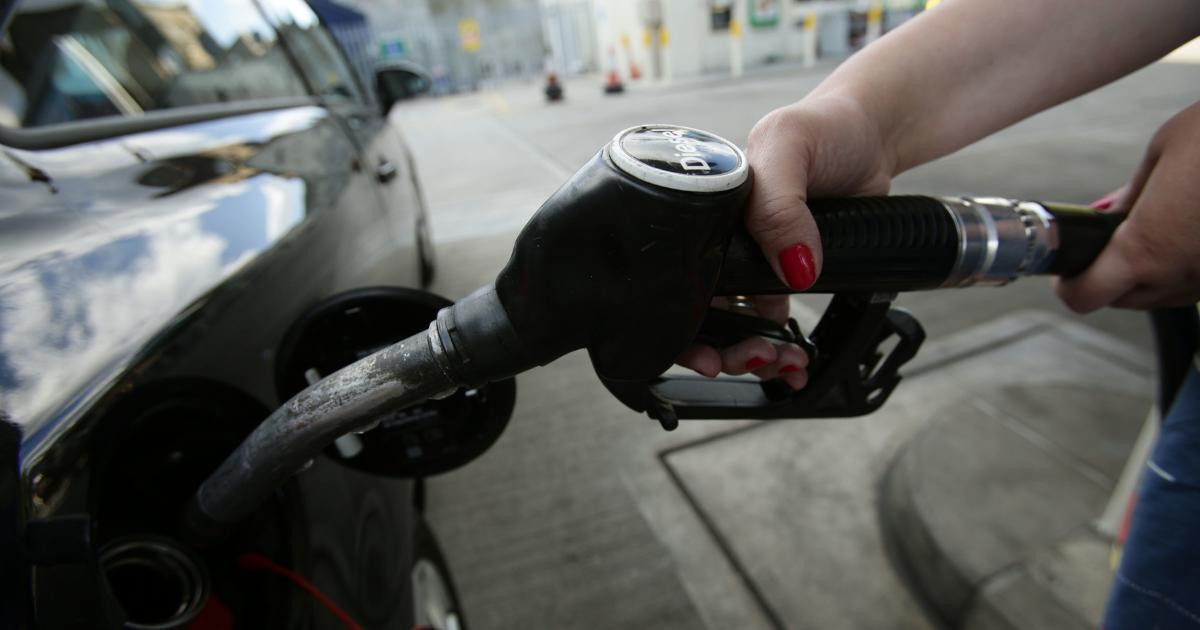
That leaves petrol around 30% more expensive than it was seven months ago, and diesel almost 40% higher.
For Scotland, where many households and businesses remain heavily reliant on cars and commercial transport, the increase represents an immediate hit to disposable incomes and operating costs. Hauliers, manufacturers, food producers, hospitality businesses and rural communities are particularly exposed to rising fuel costs.
Read more:
Yet economists warn the pain may only be beginning.
Thomas Pugh, chief economist at audit, tax and consulting firm RSM UK, believes the sharp rise in wholesale energy markets risks triggering a broader inflation shock that could ripple through the economy in the coming months.
Over the past two months, natural gas prices have almost doubled, while oil and wholesale electricity prices have risen by around 50%. If those increases persist, utility bills could rise by a further 25% in January, bringing renewed pressure on household finances just as winter energy demand peaks.
The significance of higher energy costs extends well beyond domestic bills. Energy is a fundamental input for much of the economy, meaning price increases quickly spread through supply chains. Transport becomes more expensive, manufacturing costs rise and businesses face tougher decisions over whether to absorb those costs or pass them on to customers.
Read more:
Commodity markets are already reflecting those pressures. Wheat prices have risen by around 50% over the past year, while copper has reached record highs amid strong demand linked to global electrification projects.
That combination of forces is leading economists to revise their inflation expectations upwards. Mr Pugh now expects inflation to reach around 4.5% early next year, more than double the Bank of England’s 2% target.
This risks households getting hit from multiple directions at once.
While inflation moderated earlier in the year, wage growth has remained relatively subdued. Average wage growth stood at 3.7% in July, while private-sector pay growth was closer to 2.8%. If inflation accelerates to 4.5% without a corresponding increase in earnings, real wages will once again turn negative.
The value of earnings after adjusting for inflation – real wages – is one of the clearest indicators of household spending power. When prices rise faster than pay, consumers inevitably cut back elsewhere.
Read more:
Mr Pugh estimates the recent jump in energy prices could add around one percentage point to peak inflation while reducing economic growth by roughly half a percentage point over the coming quarters.
That creates a difficult dilemma for policymakers. Unlike inflation driven by strong consumer demand, energy-led inflation tends to push prices higher while simultaneously weakening economic activity. Economists sometimes describe this as the worst of both worlds: rising inflation coupled with slower growth.
The implications for interest rates could be significant.
Mr Pugh believes inflation above 4% is unlikely to be ignored by the Bank of England, raising the probability of an interest-rate increase in November to more than 50%. If energy prices remain near current levels, another increase could follow early next year.
Read more:
For homeowners, that would mean higher mortgage costs on top of rising fuel and utility bills. For businesses, it would increase borrowing costs at a time when many are already dealing with weak demand and rising expenses.
Government finances are under pressure too. Higher inflation and rising debt-servicing costs leave limited room for large-scale support measures, while commitments not to raise the biggest taxes restrict the Treasury’s options.
The broader concern is that an energy shock initially felt at petrol pumps and in wholesale markets could evolve into something much larger. Households have shown remarkable resilience through recent years of economic disruption, while many businesses have adapted to repeated external shocks.
The coming winter will test that resilience again.