
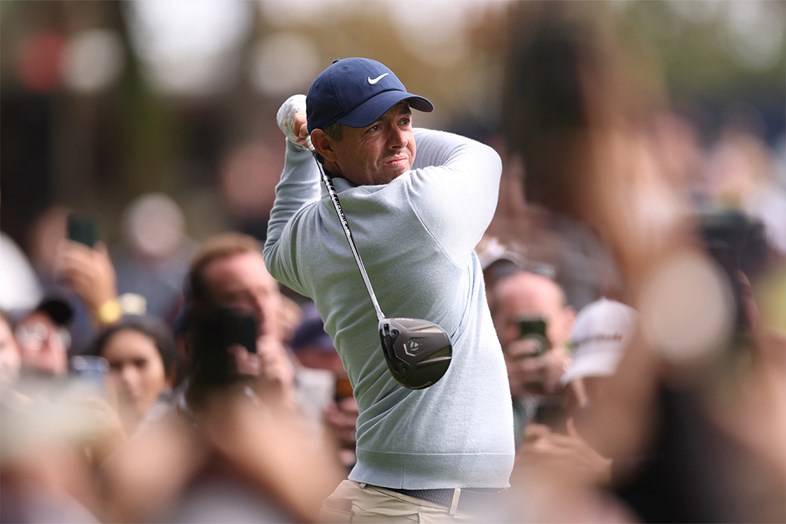
The USGA and R&A have sent notice to key stakeholders in golf equipment manufacturing for comment ahead of proposed tour-only rules for the 2028 season.
For those following the conversation, the debate around distance rollback seemed to have been turned down to a simmer. It was still bubbling away in the background, waiting for the right spark, and the latest statement from the governing bodies has certainly reignited the fire underneath.
The USGA and R&A have issued notice, alongside the PGA Tour and DP World Tour, to equipment manufacturers for comment on a new set of proposed tour-only Model Local Rules (MLR) that seek to establish early limits to key, distance-contributing technologies ahead of the incoming golf ball rollback.
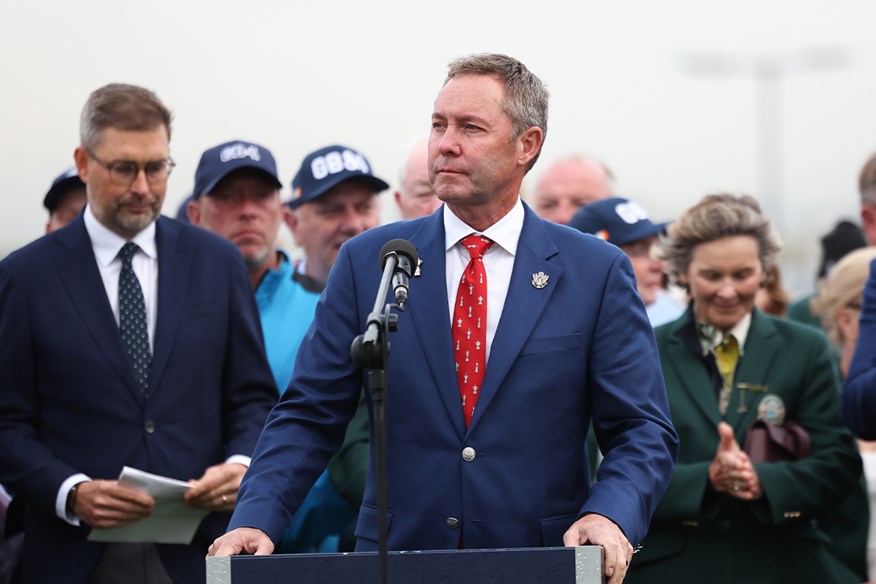 The USGA and R&A have issued a notice period for equipment manufacturers to comment on proposed Model Local Rules for the tours. (Getty Images)Change of tone
Where the new statement differs from many of the old ones is in the framing of the notice.
Before, the governing bodies had been perceived to be acting somewhat unilaterally with changes, often blindsiding both manufacturers and the professional game.
However, since the comments ahead of 2026’s US Open, the caretakers of the game have been more inclusive of the elite level organizations that manage the leading tours, with press releases bearing the names of all four key decision-makers.
The most recent notice matches the previous ones, with the highlights for the professional level from the full statement below:
In relation to golf clubs and golf balls, as part of the ongoing dialogue, the PGA Tour and DP World Tour have requested that the governing bodies explore and research a series of Model Local Rule options that can be implemented as early as January 2028, including:
(a) Requiring the use of a golf ball model included on the List of Conforming Golf Balls with an overall distance of 317.0 yards or less when tested by the USGA or The R&A.
(b) Requiring the use of a driver head of a model and loft included on the List of Conforming Driver Heads, and when tested prior to competition has a maximum CT of 239 microseconds.
(c) Restricting the maximum permitted length of all clubs (other than putters) to a limit that is less than the 46-inch limit imposed by MLR G-10.
Please note that the near-term Model Local Rules under consideration, if adopted, are not changes to the existing Equipment Rules and will not impact the conformance status of any conforming golf balls or golf clubs.
The key takeaway from this is the intention to limit distance and forgiveness for tour players without, on paper, disrupting the manufacturing process or impacting the amateur game.
While true changes would and will require a complete overhaul of the current equipment laws, MLRs mean the higher-ups of the game can test new limits on the tours without a complete commitment to imposing the rules on the entirety of the golfing world.
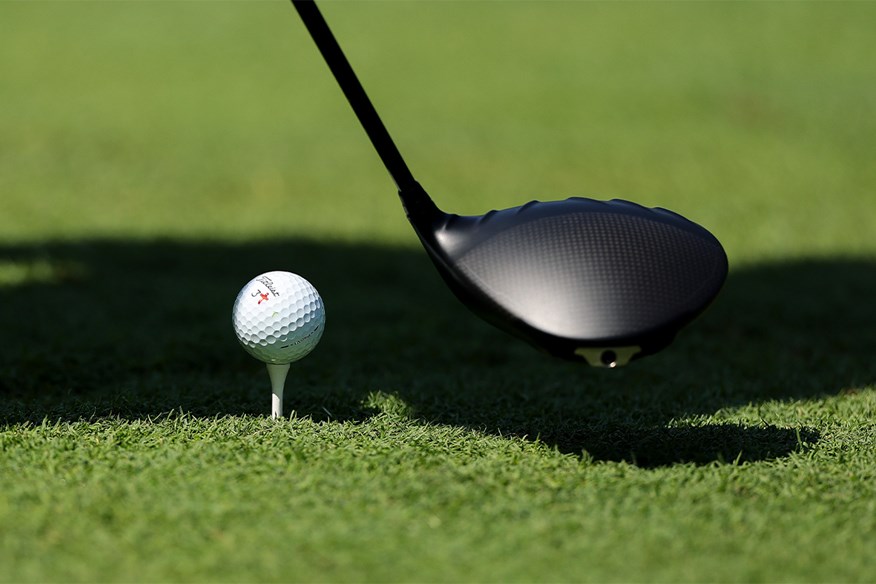 Golf’s governing bodies have incorporated the driver to the distance rollback. (Getty Images)Reading between the lines
The reality of these changes, however, is a lot less impactful than the language of the statement might appear to make it.
On a point by point basis, the MLRs offer only subtle changes, if any at all, compared to what we have now.
Rules (a) and (b), limiting overall distance of a golf ball to 317 yards and keeping driver CT to 239 microseconds, respectively, are the same as the standards to which manufacturers and equipment already abide. The only difference is in regards to tolerances.
In the current process, the USGA and R&A allow for up to an additional three yards for golf balls in testing, effectively bringing the limit on that distance up to 320 yards.
Likewise, CT (Characteristic Timing – the measurement that replaced Co-Efficient of Restitution/COR) is given a testing tolerance of up to 18 microseconds longer than legal limit, bringing it up to 257 microseconds to be within competitive allowances.
The final addition, rule (c), will also limit the length of clubs, baring putter, to 46 inches. This in itself is something of a moot point, with the average length of driver in the men’s game being 44.75″. Retail models themselves don’t even break that limit, with the majority sitting at 45.75″.
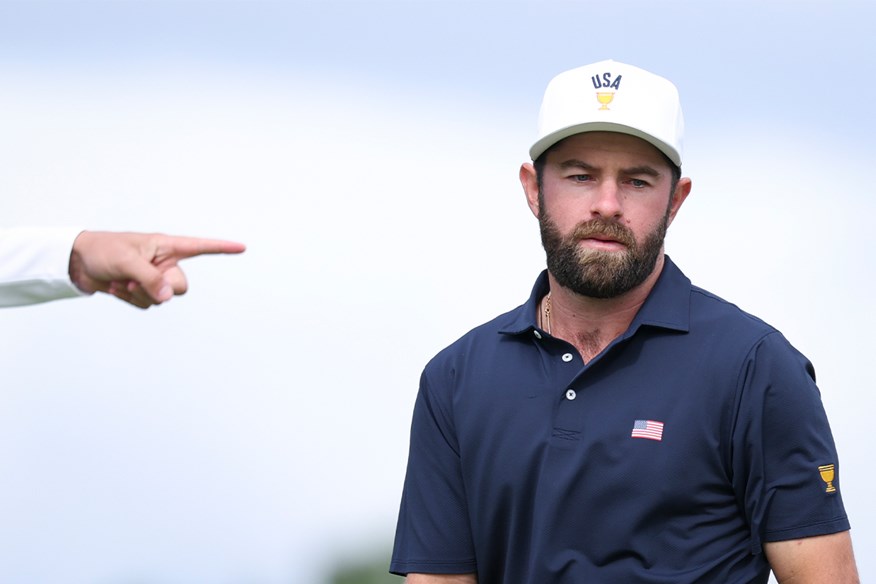 Cameron Young has lost little distance despite switching to an apparently conforming golf ball. (Getty Images)Just the beginning
If the MLRs are merely a tweaking of the current language then why are the USGA and R&A so keen to implement them?
It seems like, ultimately, this is about testing the water for further changes to the laws that limit distance.
The full statement, which you can read for yourself on the USGA’s website, gives some stronger insight into the long term outlook of the bodies’ plans for professional and amateur levels.
“The R&A and USGA, in consultation with key stakeholders, including the PGA Tour and DP World Tour, are in the process of considering a range of other approaches that may more materially impact the pace of future distance increases at the elite level,” it reads.
“As a reminder, an Area of Interest remains open for consideration of a Model Local Rule for Club Performance Characteristics which was issued on 16 March, 2022.
“As outlined in the December 2023 communication to stakeholders, The R&A and USGA continue to monitor drivers and explore possible additional options to identify driver design features that potentially could be regulated to reward center-impact position hits versus mishits.”
The implication here is that bifurcation – a splitting of the rules between the two tiers of the game, with professionals subject to more stringent or punitive equipment – is still very much on the table, but it can also easily be read as effective for all golfers.
In fairness, I’ve also argued the correct solution does lie in addressing drivers in general.
The choice of words at the end of the USGA and R&A’s notice appears to be of the same ilk, albeit they seem to be positioning both the driver and the golf ball together. My point was an alternative, rather than to be in conjunction with the ball rollback.
 While the MLRs only affect tour pros, amateur rules may not be far behind. (Getty Images)
The question that remains is how interested parties and key stakeholders will react.
TG has reached out to a number of golf’s biggest equipment brands for a comment, all of whom told us they wouldn’t provide a public statement of their own just yet, but there would certainly be replies coming.
Beyond that, while the notice was issued jointly with the PGA Tour and DP World Tour, the organizations still don’t represent the opinions of every tour professional, all of whom’s livelihoods will depend of their performances, despite not all of them being affected equally.
Only time will tell what happens to the melting pot that is the distance debate. We’ll just have to wait and see if this latest announcement is just another layer of spice to the dish or if it’s the final spark before the entire kitchen is set alight.