
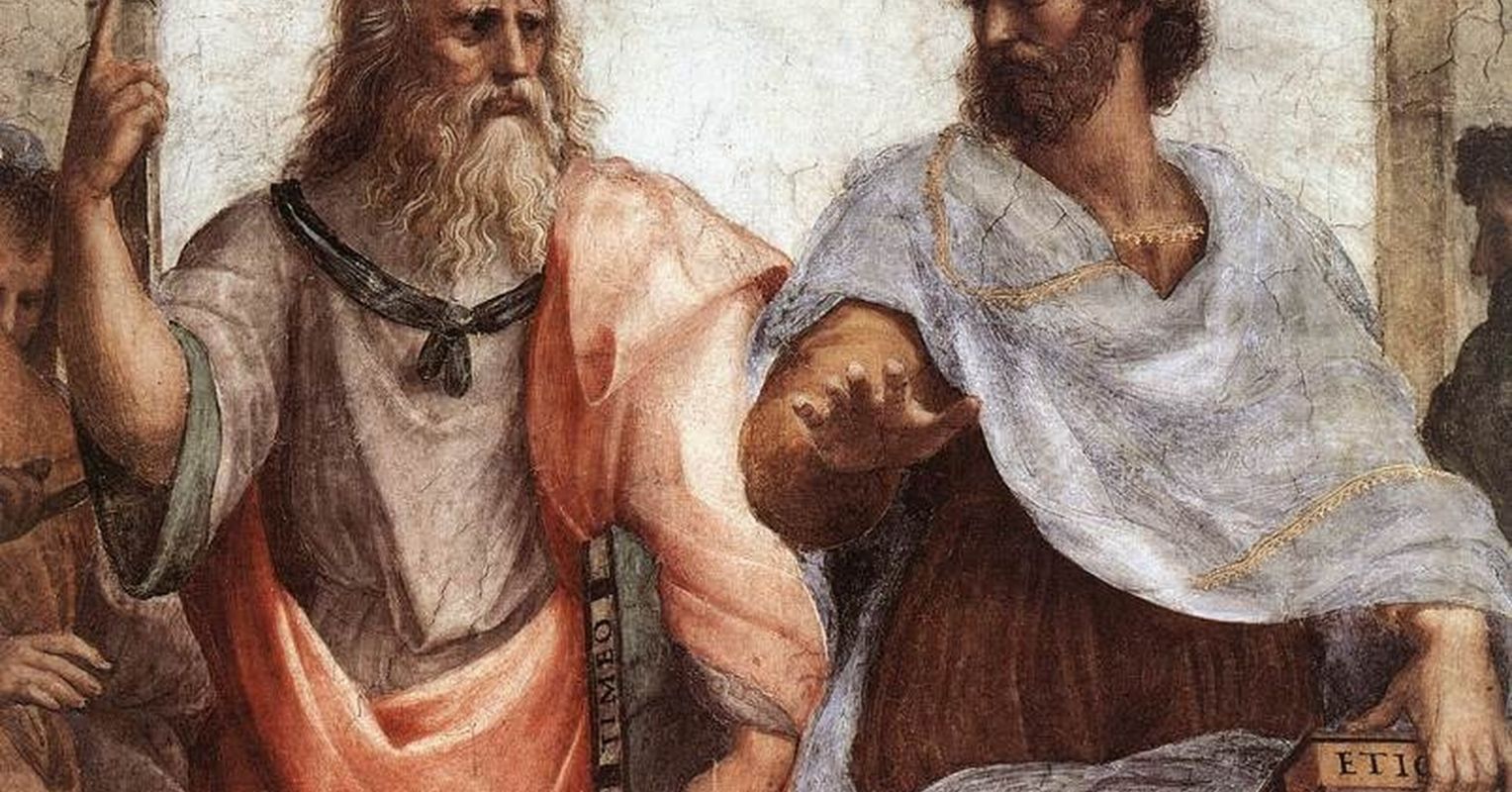
What makes a true friend? Aristotle distinguishes friendships of utility, pleasure, and virtue—and explains why the finest friends are so rare.
Today, everyone is obsessed with romantic love. Aristotle, however, conceived of the highest human relationship in terms of friendship—the bond through which we learn to value another person for their own sake.
For the Greeks, true friendship was a rare and precious thing. In Plato’s Lysis, Socrates says, “I would rather have a real friend than all the gold of Darius [the Persian emperor], or even Darius himself.” But today, on social media, we call hundreds of people our friends.
By putting romantic love on a pedestal, we have devalued friendship. Our romantic partner is also expected to be our best friend, confidant, counsellor… As a result, other friendships may be neglected or even treated as threats.
Aristotle’s Three Kinds of Friendship
Friendship is so important to Aristotle’s account of the good life that he devotes two of the 10 books of the Nicomachean Ethics to it.
Aristotle famously distinguishes between three kinds of friendship: friendships of utility, friendships of pleasure, and friendships of virtue. In a friendship of utility, we value our friend for what they can bring us. In a friendship of pleasure, we value them for the enjoyment they provide. These relationships are not necessarily base: colleagues, neighbours, and tennis partners may genuinely like and help one another.
But the limitation of these first two kinds of friendship lies in their reason for being: When the advantage or pleasure fades, the friendship fades with it.
Why Perfect Friends Are so Rare
Lasting friendships, on the other hand, are based on character or virtue: Each friend values the other, not for what he brings, but for who he is. The friend’s well-being and flourishing become part of our own.
Because we are invested in the well-being and flourishing of our friend, we owe them the hard truth—and expect the same thing in return. A real friend does not simply accept us as we are but recognises our potential and helps us become what we could be.
That’s why “perfect friendship,” as Aristotle calls it, is not for everyone. Most people would sooner ghost us than listen to the truth about themselves—particularly now, when there are so many less demanding distractions around. Whereas social media affirms our public image, true friends challenge the person underneath.
You may also be interested in my companion piece, The True Meaning of Platonic Love.