

Want to bookmark your favourite articles and stories to read or reference later? Start your Independent Membership today.
Already a member?
Log in
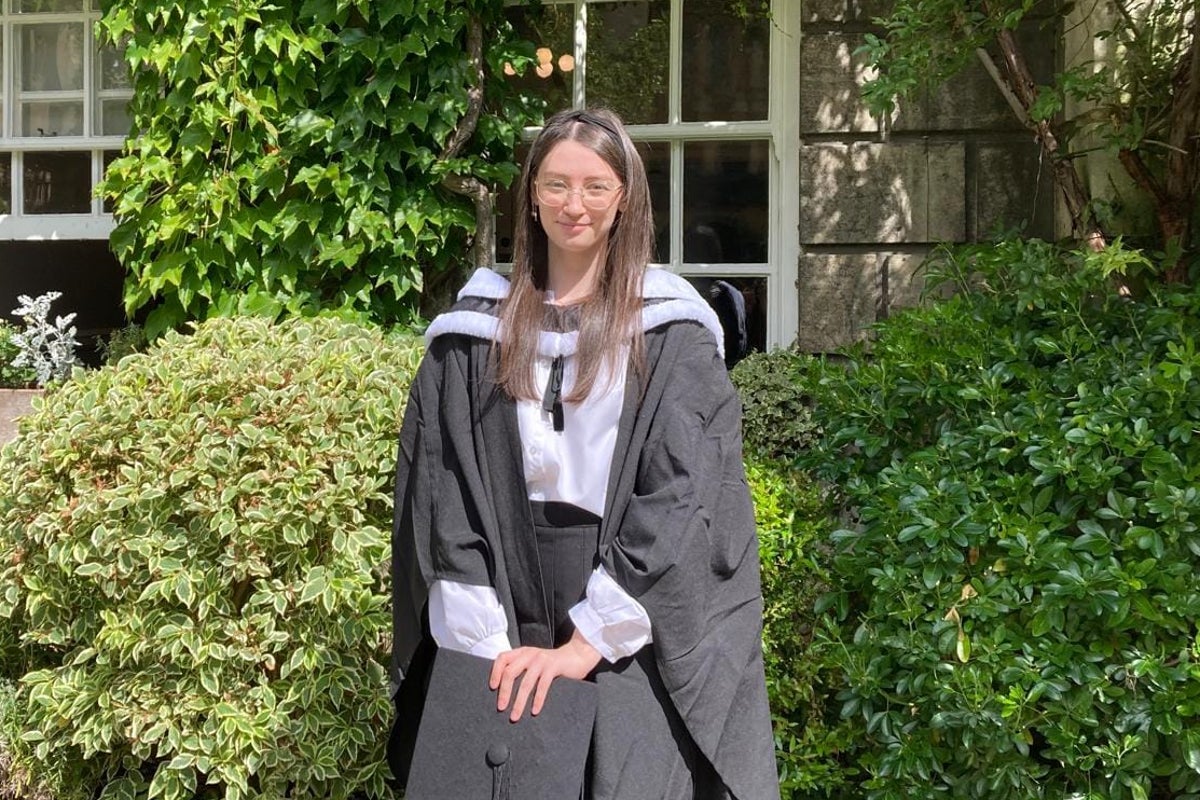
Getting into Oxford University to study English in 2021 was a real dream come true. I came from a state school, council estate background where I was the first generation to go to university. Getting in was a huge deal for me – it was the ultimate underdog story – and I was so excited.
What came next was not part of the plan at all.
I’d always struggled with episodes of depression. I first noticed what felt like an inability to be as happy as everyone else when I was 10, and this feeling followed me into my teen years, but when I was away at university, it became worse than ever.
I was very nervous, which manifested in episodes of mania where everything felt surreal. My brain was trying to get me to have a good time, but I wasn’t. I was very withdrawn and while it felt like everyone else was having an amazing time at Freshers’ Week, making new friends, I was holed up alone in my room, terrified of the future.
I had no idea at the time but I was suffering from bipolar disorder – the condition that I would not be diagnosed with until over a year later. An estimated 56 per cent of people with bipolar do not have a diagnosis, and worryingly, the average age for people to get a diagnosis has increased from 26 to 34 over the last 30 years.
It means many people like me end up at university experiencing all the symptoms of bipolar – but none of the support. It’s why national charity Bipolar UK is urging students to take note of symptoms like difficulty sleeping, overspending, irritability and hypersexual behaviour and to seek support if needed.
Part of me knew it wasn’t just depression and there was something else going on, but I kept it hidden
Back then, it never occurred to me I was bipolar – it wasn’t on my radar. All I knew was that things were intense. At times I felt depressed, unable to be around anyone, but at other times, I was manic. Part of me knew it wasn’t just depression and there was something else going on, but I kept it hidden. I didn’t want to face it. I was scared. How would Oxford react to someone mentally unwell? I was terrified of losing my place after working so hard to get there.
Somehow, I managed to get through that first year, and even made a small group of friends and started a relationship. I used him as a crutch when I was feeling quite down, and he did the same – like me, he was struggling with his mental health. I managed to pass that year, and things stabilised over the summer when I was at home, even though I was still depressed. My parents had no idea what was going on.
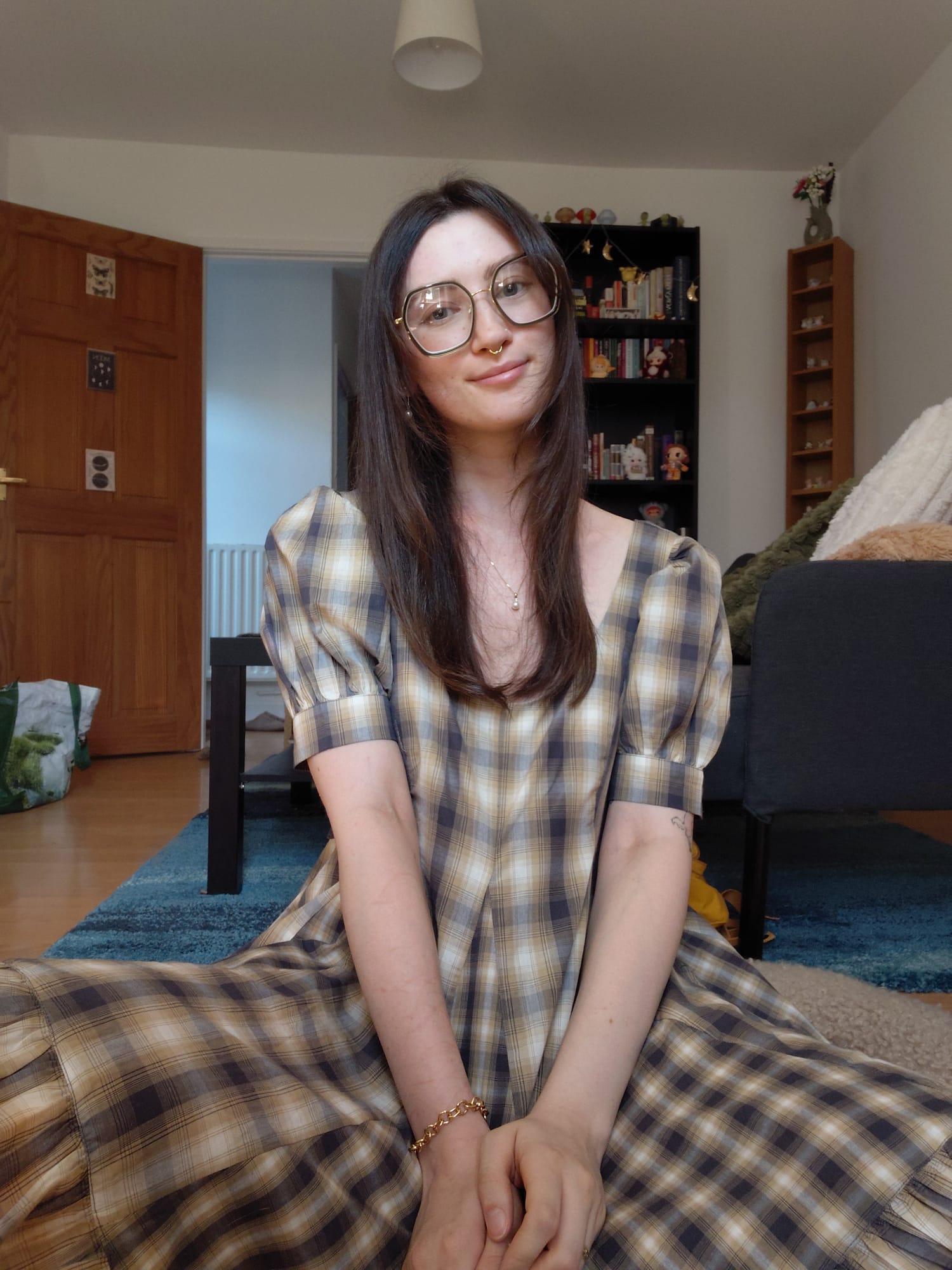 Caitlin Cooper-Thomson was diagnosed with bipolar – the academic pressure of university made things worse (Supplied)
But it was in my second year that everything broke down. My relationship ended and I was so depressed that I was crying every day. The academic pressure was intense and I completely cracked under it.
My tutors noticed I wasn’t keeping up with university work, and I had intense mood swings. I pushed friends away, saying I didn’t need their help and lashed out at people. I actually had to resign from my role as disabilities representative of my college because I had an embarrassing public outburst.
It became unmanageable. I was paranoid everyone was out to get me, but I also felt shame whenever I acted rudely or aggressively. I started acting out of character, and I was self-harming and suicidal. I went to the GP and was prescribed antidepressants, which put me in an even worse manic episode.
I felt irritable and paranoid but then really driven with work, to the point where I felt my essays were so good they could be published. It sounds quite nice, but it absolutely wasn’t – everything was too intense and I felt disoriented.
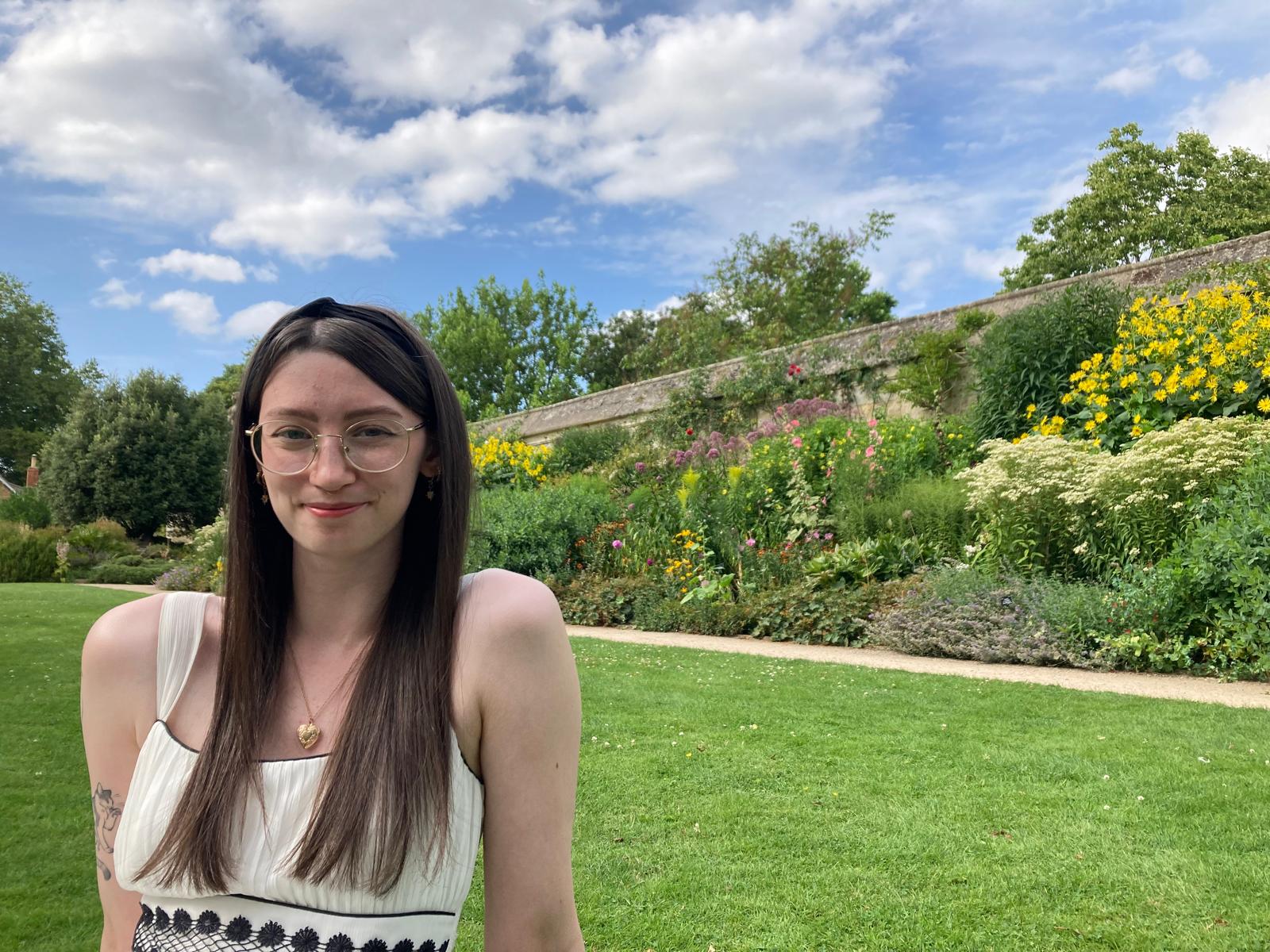 ‘My tutors noticed’: Caitlin received support from Oxford University (Supplied)
My friends were really worried about me at this point so I called the GP again. I said I was having crazy mood swings, I didn’t feel like myself, and my feelings were overwhelming. It was only then that I heard the magic words: “this sounds like bipolar”.
Everything changed from there. It was a huge moment for me, finally understanding the condition I’d been living with for years. I was scared to take the antipsychotics I was prescribed – and had to work to overcome the “psycho” stigma – but it ended up being the best thing for me.
I was able to commit to my studies like a normal person and my university offered me more support than I’d ever imagined. Having a support plan and check-ins with the mental welfare team eventually led to things feeling much easier and getting better.
I got back into student politics, becoming a Student Union representative, and it felt like I was redeeming myself from my past. That was also when I rekindled my relationship with my ex. This time we were both getting support for our mental health, and now, four years on, we’re married.
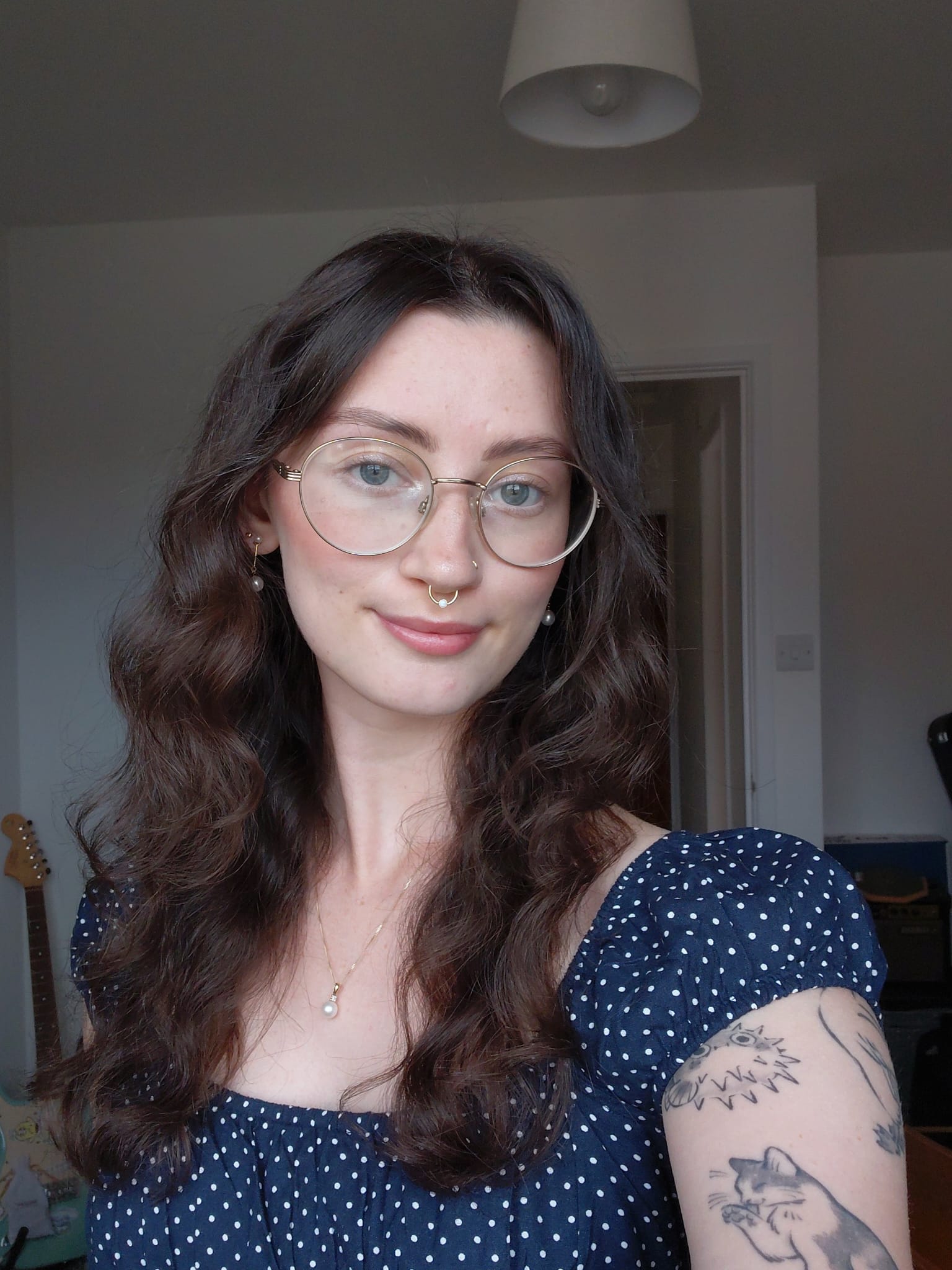 Caitlin: ‘Being undiagnosed for the first year and a half of my degree ruined so much of the university experience for me’ (Supplied)
Initially, I was nervous about how friends and family would react to my diagnosis, but everyone was supportive. When I wrote about it in the student newspaper, other bipolar people thanked me for writing it. I’m so grateful I was diagnosed then – there are so many people out there who don’t get a diagnosis until much later, and it can make things even harder.
Being undiagnosed for the first year and a half of my degree ruined so much of the university experience for me. My manic episodes ruined relationships and my relationship. The depressive side of bipolar made it really hard to give my degree my all.
But I still feel lucky compared to undiagnosed bipolar people who have been through absolute hell, being sectioned and losing friends, jobs and relationships.
To anyone who is wondering if they’re bipolar, I’d say it’s better to ask a mental health professional and be wrong than to not ask at all. Getting a diagnosis gives you the support that allows you to take back control of your life.
As told to Radhika Sanghani
If you are experiencing feelings of distress, or are struggling to cope, you can speak to the Samaritans, in confidence, on 116 123 (UK and ROI) or visit the Samaritans website to find details of your nearest branch.
If you are based in the USA, and you or someone you know needs mental health assistance right now, call or text 988, or visit 988lifeline.org to access online chat from the 988 Suicide and Crisis Lifeline. This is a free, confidential crisis hotline that is available to everyone 24 hours a day, seven days a week. If you are in another country, you can go to www.befrienders.org to find a helpline near you