
Autumn is here, but while many insects are becoming less visible, one impressive aerial hunter is still patrolling the skies.
On a warm September afternoon, look out for the migrant hawker dragonfly. (Image: Richard Burkmar)
On a warm September afternoon, look out for the migrant hawker dragonfly as it darts around ponds, gardens and hedgerows, bringing flashes of blue and yellow to the changing season.
The migrant hawker is a later-flying dragonfly, usually on the wing from the end of July through to October, and sometimes into November during warm years.
Early autumn is a particularly good time to look for them.
The name “migrant” is well earned, as before the 1940s, the species was only a migrant visitor to the UK.
However, it is now an established breeding species.
The UK has resident breeding populations, but numbers are greatly boosted in late summer by arrivals from continental Europe.
The migrant hawker is often found around ponds, lakes and wetlands, but do not be surprised to see one well away from water.
It is a strong flyer and can turn up along hedgerows, woodland edges, gardens and sheltered rides, hunting smaller insects on the wing.
Unlike some dragonflies, the migrant hawker is not particularly aggressive towards each other and can sometimes gather in large feeding groups.
At around 6cm long, it is smaller than some other hawker dragonflies but is still an impressive sight.
Males have a dark brown and black body patterned with pairs of pale blue spots and yellow flecks, along with striking blue eyes.
Females are generally browner, with yellowish spots and brown eyes.
One distinctive feature is a small yellow marking near the top of the abdomen, often described as being shaped like a golf tee.
Dragonflies are grouped into three families; hawker, darter and skimmer.
The hawker is the largest and fastest-flying dragonfly.
It is an agile hunter, as it can hover, dart, turn sharply and even fly backwards.
This agility allows it to catch midges and other small insects with remarkable precision.
Like all dragonflies, the migrant hawker begins life underwater.
The larvae are veracious aquatic predators, feeding among submerged plants for several years as nymphs before eventually climbing from the water and emerging as the winged adult.
The presence of adult dragonflies and their larvae is a good indicator of healthy ponds, ditches and wetlands with clean water and good vegetation.
Hampshire & Isle of Wight Wildlife Trust manages many wetland nature reserves for the benefit of the wildlife.
Help support the trust by becoming a member today. Find out more: hiwwt.org.uk/join-today.
Diary Dates – Wildlife Tots at Blashford Lakes
Step into autumn at Blashford Lakes Nature Reserve with Hampshire & Isle of Wight Wildlife Trust’s Wildlife Tots. (Image: Fergus Gil)
Step into autumn at Blashford Lakes Nature Reserve with Hampshire & Isle of Wight Wildlife Trust’s Wildlife Tots.
Little explorers aged two to five can discover the sights, sounds and colours of the season while heading out across this wildlife-rich reserve.
With lakes, woodland, reedbeds and grassland to explore, there’s plenty to discover.
The reserve is used by a wide variety of birds throughout the year.
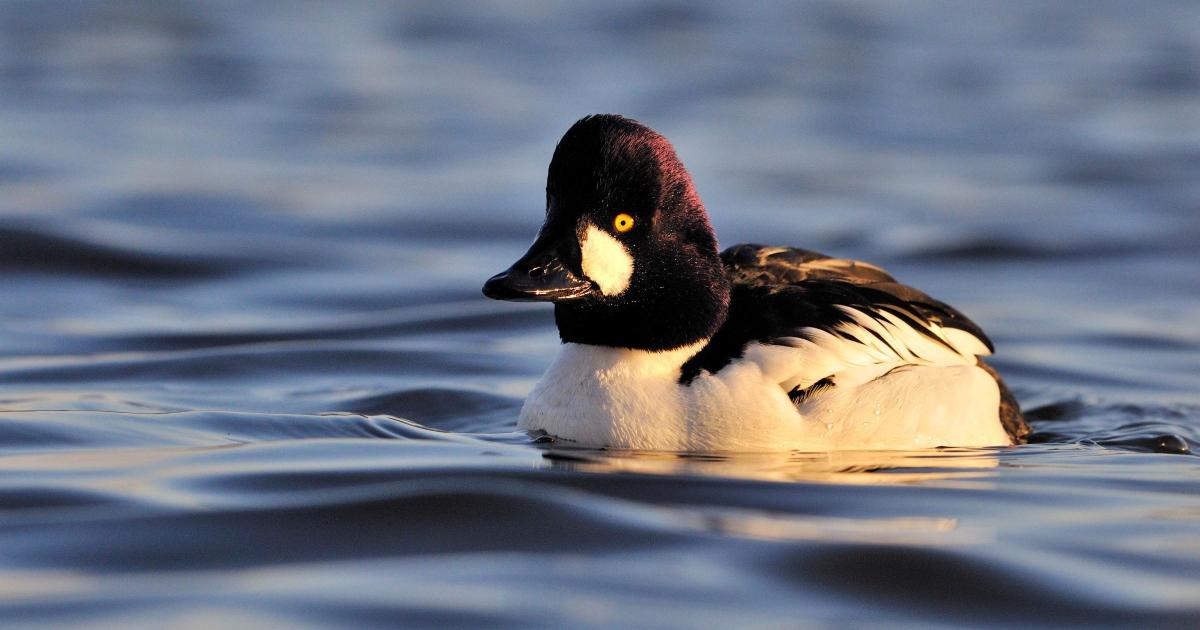
In winter, up to 5,000 wildfowl, including gadwall, goldeneye and goosander flock to the lakes from Scandinavia.
The session will combine outdoor exploration with learning about the wildlife and incredible diversity of bird life, a story and creating something from natural materials.
Find out more on the trust website: hiwwt.org.uk/events.
Nature Notes – Visit a woodland nature reserve
People are being encouraged to visit one of Hampshire & Isle of Wight Wildlife Trust’s woodland nature reserves this autumn. (Image: Jon Hawkins)
Step into autumn with a visit to one of Hampshire & Isle of Wight Wildlife Trust’s woodland nature reserves.
Wander beneath changing leaves, listen for birds among the branches and look for fungi emerging from the woodland floor.
Autumn is a wonderful time to slow down and experience the sights, sounds and colours of the woods.
Spending time surrounded by nature can also support our health and wellbeing, offering a chance to switch off from everyday life and enjoy the season.
Find a woodland nature reserve near you and discover somewhere wild this autumn: hiwwt.org.uk/nature-reserves.