
norman lebrecht
September 26, 2026
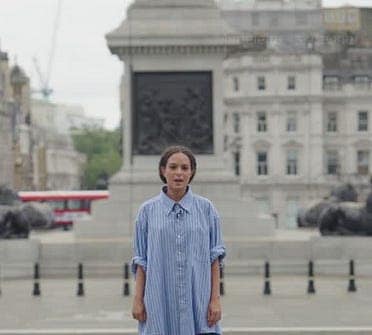
Imagine discovering your family history in two famous galleries across the world from your home in New Orleans. American poet Madeleine Le Cesne, with the help of National Gallery Curator Francesca Whitlum-Cooper, traces the hidden history of her family through two paintings in neighbouring galleries. This film tells the story of the people behind François-Hubert Drouais’ The Comte de Vaudreuil from the National Gallery’s collection and The Anti-Slavery Society Convention, 1840 by Benjamin Robert Haydon from the National Portrait Gallery.
The National Gallery’s portrait of The Comte de Vaudreuil (1758) by François-Hubert Drouais visualises the connections between art and the trade in enslaved people more than any other painting of the period. In the painting, the Comte, son of the governor of Saint-Domingue (present-day Haiti), points at a map of the land (and, by extension, people) he owns there. The wealth accumulated from which is not only displayed in the painting but also paid for the commission itself.
The Anti-Slavery Society Convention, 1840 by Benjamin Robert Haydon is a monumental painting recording the 1840 convention of the British and Foreign Anti-Slavery Society which was established to promote worldwide abolition . In it, you can see a frail and elderly Thomas Clarkson (17601‒846), who originally formed the group in 1787, addressing a meeting of over 500 delegates. This picture is at the National Portrait Gallery.
This fascinating short film tells how the National Gallery’ curator and archivist traced these portraits in London to a poet in New Orleans.