
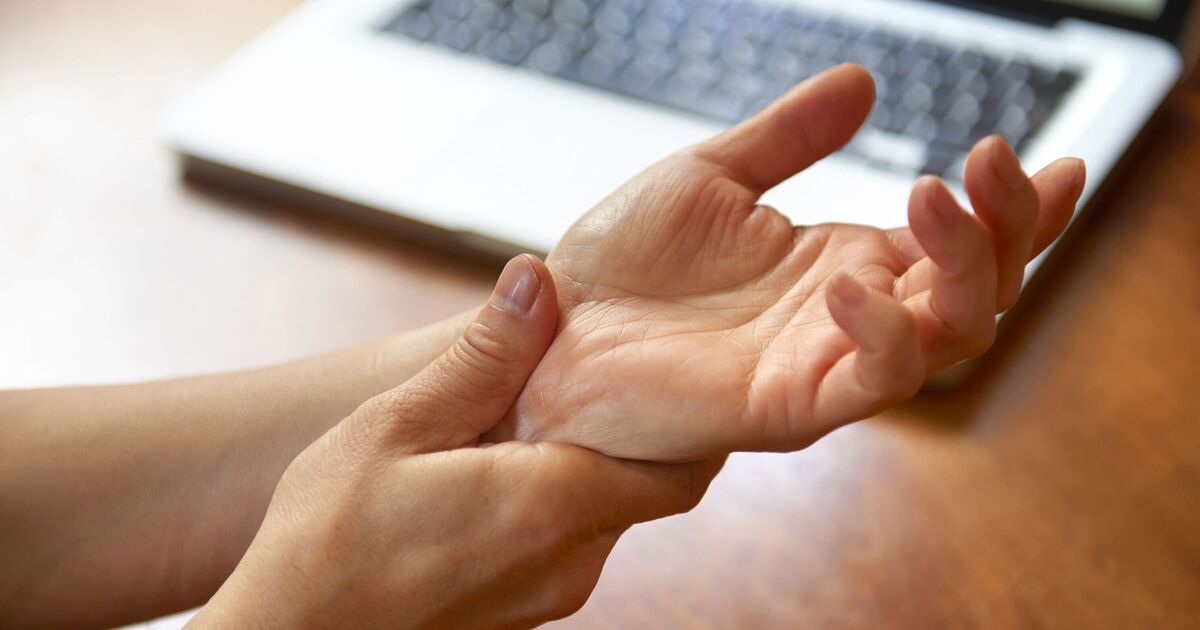
Brits with 86 muscle or joint conditions may be able to claim the Personal Independence Payment (PIP), the latest official figures from the Department for Work and Pensions (DWP) suggest. PIP is a benefit paid out by the DWP that can help with extra living costs if you have both a long-term physical or mental health condition or disability, and difficulty doing certain everyday tasks or getting around because of your condition.
It comes in two parts, daily living and mobility, with the former based on whether you’re able to do a range of household tasks like washing and cooking, and the latter based on your mobility and travel requirements. It’s available to people over 16 and under State Pension age. You’ll continue getting it beyond that point if you have an approved claim, but you generally can’t make a new claim after reaching State Pension age. PIP is paid out at two rates, depending on your needs. For daily living, the lower rate is £76.70 per week, while the higher rate is £114.60 per week. For the mobility part, the lower rate is £30.30 per week, and the higher rate is £80.
It means you can get £194.60 per week in total if you meet the eligibility for the higher rate on both. Northern Ireland has PIP, and though it’s a devolved matter, the rules largely run in parallel with those in the rest of the UK.
PIP has been replaced with the Adult Disability Payment (ADP) in Scotland, though it also has most of the same eligibility criteria.
The latest official figures showed over 1.2 million people across England and Wales are receiving Personal Independence Payment (PIP) for muscle and joint conditions as of July, 2026.
The total accounts for almost a third of the 4.1 million people now receiving the disability benefit.
Musculoskeletal conditions can affect the muscles, bones, joints and surrounding tissues, with symptoms potentially impacting both mobility and everyday activities.
DWP data lists 86 individual musculoskeletal conditions among the health issues recorded for people receiving PIP at that time, the Daily Record reports.
But it’s important to note that PIP is not awarded on the basis of a diagnosis alone; entitlement depends on how a long-term health condition or disability affects someone’s ability to carry out specific daily living and mobility activities.
This assessment is made by the DWP based on independent medical advice.
Below is the list of 86 musculoskeletal conditions being supported through PIP to provide support with either daily living, mobility needs or a combination of both components.
It’s important to remember that it’s not a definitive list and you shouldn’t be put off making a claim if a condition you have doesn’t feature, as the award is based on how you’re affected by the condition, rather than the specific condition itself.