
Chris Jones started losing weight unexpetedly
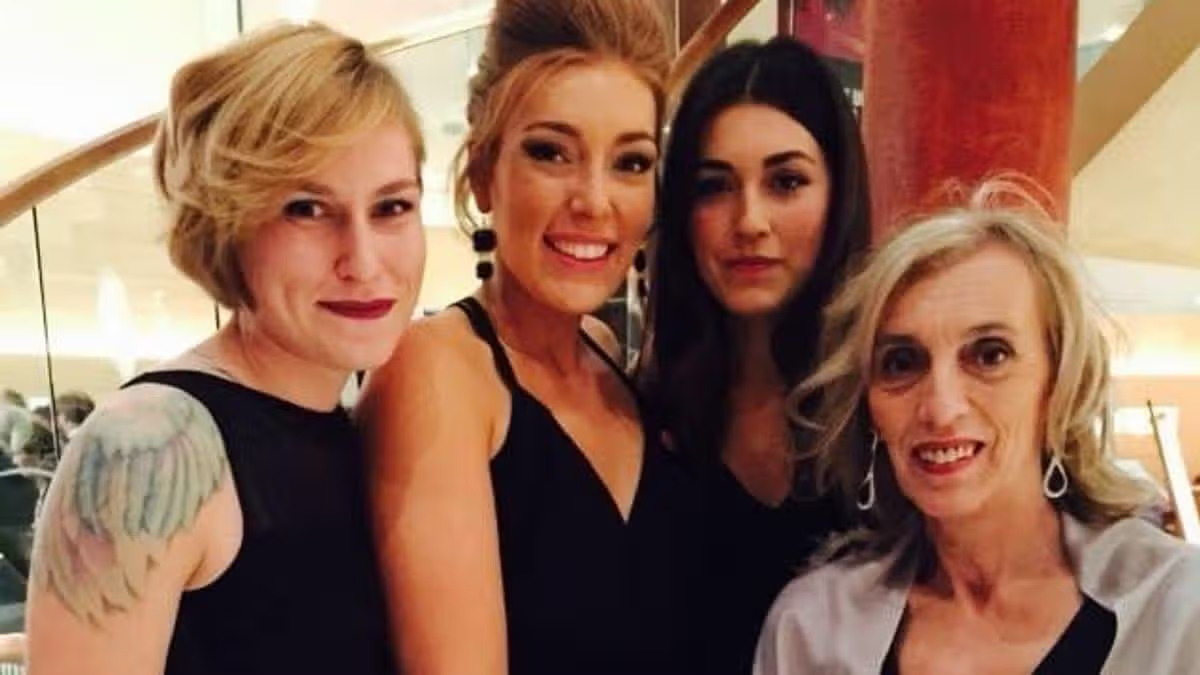
Chris Jones, right, with her daughters Grace, Alex and Phoebe(Image: family handout)
A Hoylake mum who lost both her dad and 26-year-old daughter to cancer said “it changes your life completely. It also changes your outlook on life.” Chris Jones’ dad died of lung cancer, and her grandad also suffered from the disease.
So when the mum of three began losing weight unexpectedly and struggling to breathe while carrying out everyday tasks, she knew that something was wrong.
She said: “I’d had a cough since November 2024. I caught Covid, then had a dry cough for some months. It was one of those coughs that lasted for ages. Then I noticed in early 2025 that I had lost some weight, which I thought was weird because it was just after Christmas and I wasn’t on a diet.”
Chris, 68, visited her GP, who sent her for a chest X-ray at Clatterbridge Hospital in June last year. The X-ray revealed a build-up of fluid on Chris’ lungs, and she was sent for a CT scan at Arrowe Park the following day.
She said: “When I went to see the team the next week, because they needed to draw some of the fluid off, they were pretty sure there was some sort of malignancy. But I sort of knew before I was diagnosed. I suspected it when I started getting breathless, because it’s so unusual for me.”
Chris’ intuition proved correct, as the mum-of-three was diagnosed with stage 3 lung cancer. Tragically, the disease was deemed incurable as it had already spread to her pleural cavity, the fluid-filled space surrounding her lungs.
The news came as a devastating blow for Chris’ family almost 10 years after the death of eldest daughter Alex, 26.
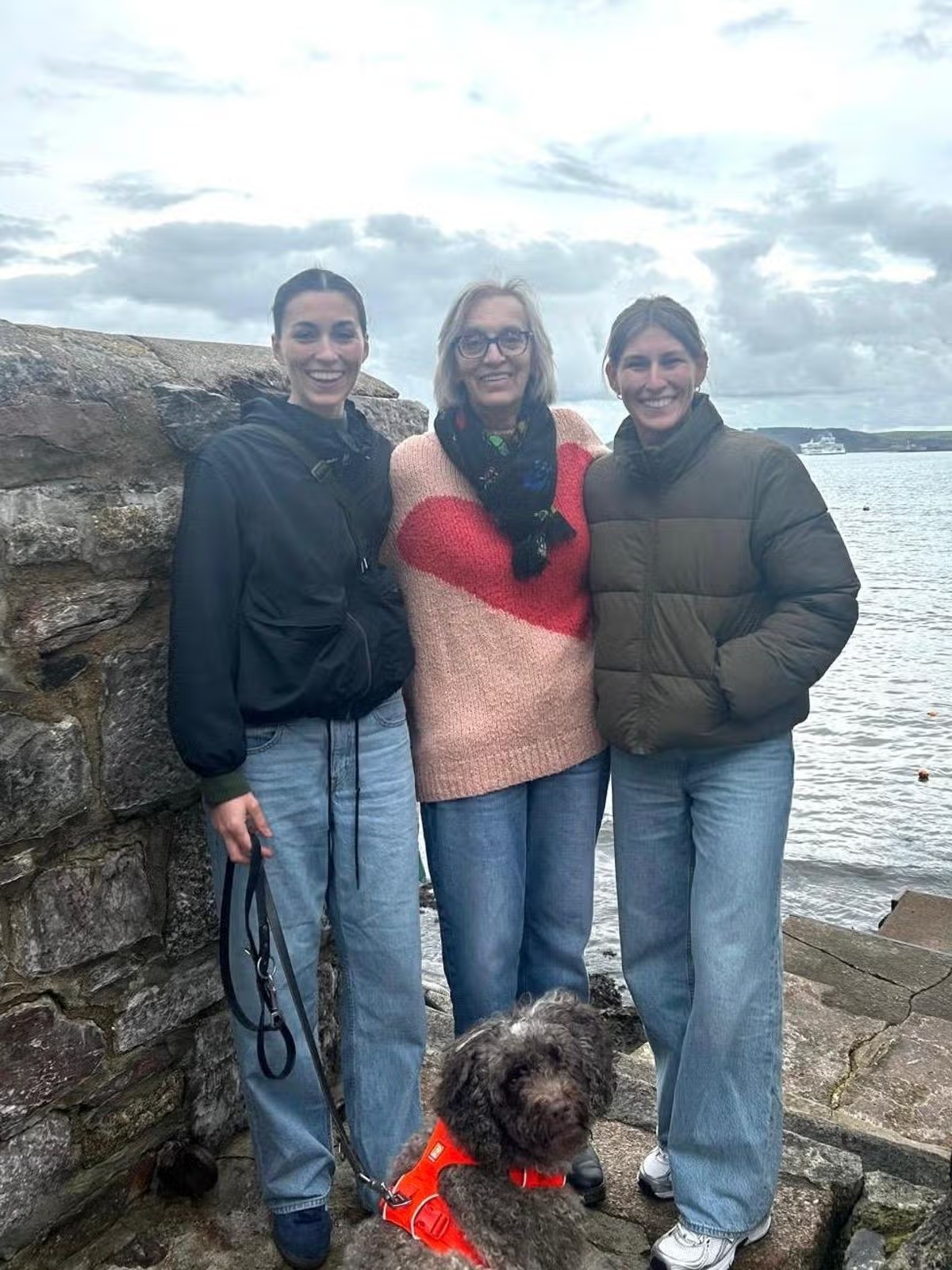
Chris Jones with daughters Grace and Phoebe(Image: family handout)
Chris, who owns the Churn & Chill gelato shop in Hoylake, said: “My eldest daughter was diagnosed in 2013 with breast cancer, and sadly she died in 2016. So we had been through the hospital side of things. So I wasn’t shocked when they told me. I just accepted it.
“My daughters were really upset. It was really hard to speak about it with my family. It’s easier to discuss it with people that aren’t affected by it. It’s upsetting talking to your own family, they get upset, and then you get upset.
“They are taking it all in the hope that the treatment will keep me alive.
“I have never asked about my prognosis. I know it is not curable. It’s treatable, but not curable.
“Since last year I have been on immunotherapy every three weeks, and in August I started on a vaccine trial which hopefully will train my immune system to work even harder and get rid of it altogether.
“I have moments of negativity about it. But on the whole I feel positive. I just hope that the treatment does work for me, because it doesn’t work for everybody.”
Lung cancer is 54% more common in Merseyside compared with the rest of England. In the wider North West, lung cancer is 25% more common when compared with the rest of the country, according to newly available data analysed by North West Cancer Research.
The stark figures are behind the charity’s latest campaign, In Plain Sight, which highlights the most common lung cancer symptoms which can often go unchecked.
Breathlessness, coughing up blood, ongoing tiredness, or a cough lasting more than three weeks are all warning signs of lung cancer, while unexplained weight loss, and aches and pains can also be symptoms to look out for.
As part of the campaign launch, North West Cancer Research created a nine-foot-tall installation featuring a pair of lungs at a community centre in Hulme.

Members of the public view a new installation in Manchester commissioned by North West Cancer Research as the charity launches the In Plain Sight campaign to raise awareness of lung cancer symptoms(Image: Anthony Devlin)
Chris said: “Losing a family member to cancer is devastating. It changes your life completely. It also changes your outlook on life. We speak about the few years after Alex died, we cant even remember what we were doing. It was awful.
“I do worry because my girls have gone through this with their sister, and it’s happening to me now.
“I’m not looking too far into the future. I’m just going to live each day as it comes. You don’t know whats going to happen in life anyway. I try to be upbeat most of the time. It just drags you down further if you look on the dark side all the time.”
There are two main types of lung cancer, each requiring different treatment: non-small-cell lung cancer, the most common type, accounting for more than 80% of cases; and small-cell lung cancer, which is less common but typically spreads more rapidly.
Dr Serena Chee, Consultant Respiratory Physician at the Liverpool Heart and Chest Hospital, said: “Knowing the warning signs of lung cancer and acting on them early can make a real difference.
“A persistent or changing cough, unexplained breathlessness, chest pain, coughing up blood or unexplained weight loss should not be ignored.
“Of course, these symptoms can have many causes, but getting them checked promptly gives us the best opportunity to diagnose lung cancer earlier, when treatment can be more effective and outcomes can be better.”
Working across the region, North West Cancer Research is dedicated to tackling the cause, improving the treatment and finding the cure for cancer, with this latest campaign playing an integral role on its journey to a cancer-free future.
Alastair Richards, CEO of North West Cancer Research, said: “We know that raising awareness of symptoms of any cancer can increase early detection and, ultimately, save lives.
“With lung cancer being 25% more prevalent in the North West, and this figure rising to 54% in Liverpool City Region, it’s more important than ever for local people to know what to look for as, sometimes, symptoms can go unnoticed and can really hide ‘in plain sight’.
“Our goal is to help create a world where future generations do not have to be given the devastating news that they have cancer and, through research projects and educational campaigns, I am confident we will get there.
“But, until then, it’s essential that we look out for the symptoms and get to the doctor with any concerns, as it could save your life.”