

Want to bookmark your favourite articles and stories to read or reference later? Start your Independent Membership today.
Already a member?
Log in
Your support helps us to tell the story
From reproductive rights to climate change to Big Tech, The Independent is on the ground when the story is developing. Whether it’s investigating the financials of Elon Musk’s pro-Trump PAC or producing our latest documentary, ‘The A Word’, which shines a light on the American women fighting for reproductive rights, we know how important it is to parse out the facts from the messaging.
At such a critical moment in US history, we need reporters on the ground. Your donation allows us to keep sending journalists to speak to both sides of the story.
The Independent is trusted by Americans across the entire political spectrum. And unlike many other quality news outlets, we choose not to lock Americans out of our reporting and analysis with paywalls. We believe quality journalism should be available to everyone, paid for by those who can afford it.
Your support makes all the difference.Read more
The onset of October sees the calendar progress past the year-to-go mark ahead of the next men’s Rugby World Cup in Australia.
The 2027 tournament has been expanded to 24 teams, with last December’s draw sharpening the focus as international coaches start to plot their routes to and through the competition.
With Test rugby as competitive as ever, and the game evolving at speed, plenty can and will change over the next 12 months as the world’s best look to rise to challenge double defending champions South Africa.
An added knockout round will provide fresh challenges for the world’s best teams and create even more jeopardy, while a draw that again looks lopsided – with the Springboks, New Zealand and France all slated to be in the same half – could create opportunity for others.
But how likely is each to lift the trophy come 13 November in Sydney? Here are our power rankings, from 12-1:
12. Japan
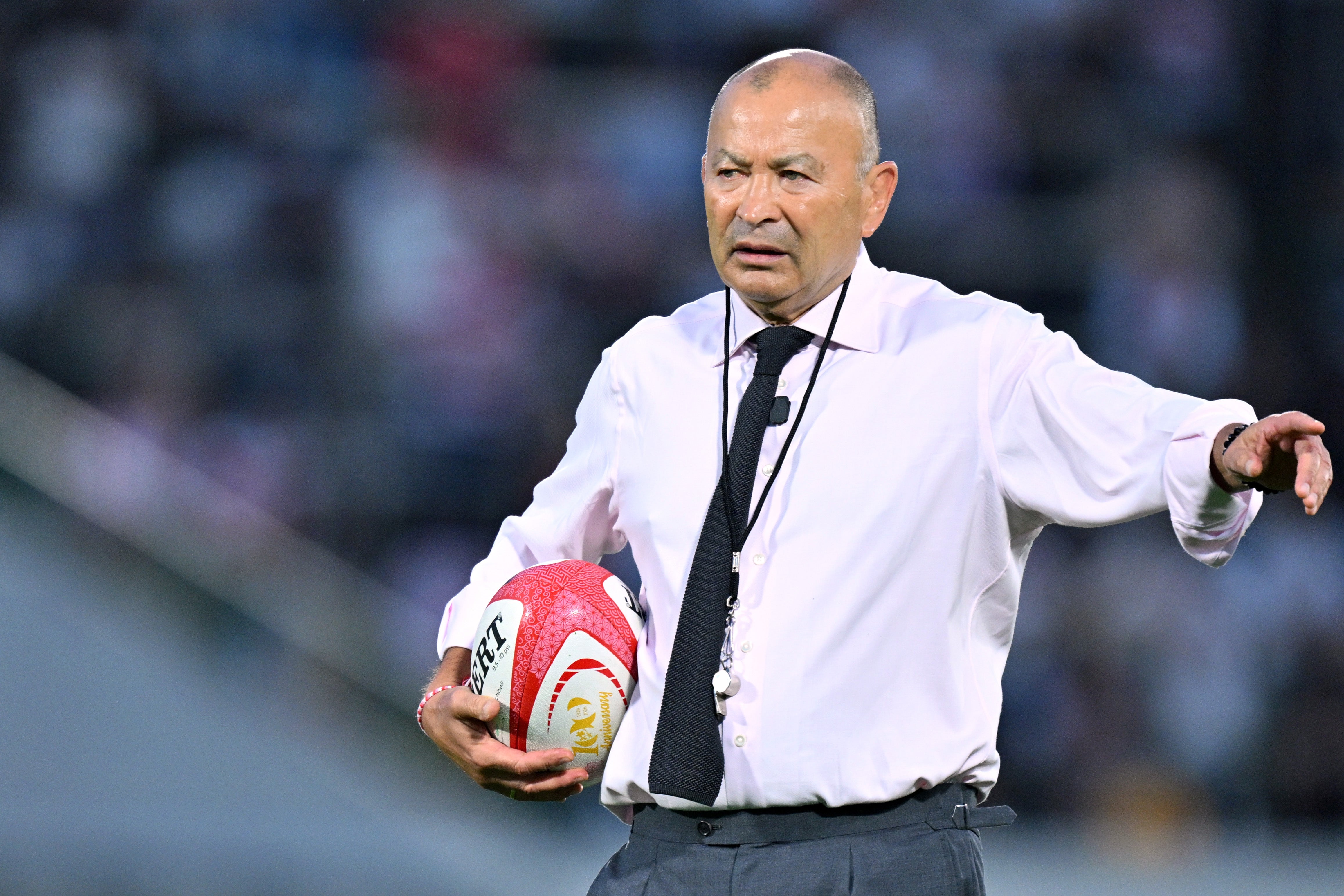 (Getty)
There is much to be encouraged about for Eddie Jones, with the emergence of young fly half Ryunosuke Ito complementing an underrated group of back five forwards. A strong win over Italy in July felt significant, yet one fears a little about the top-end potential of the squad come the World Cup. Danger lurks, too, in the form of an enigmatic Samoa in Pool E.
11. Fiji
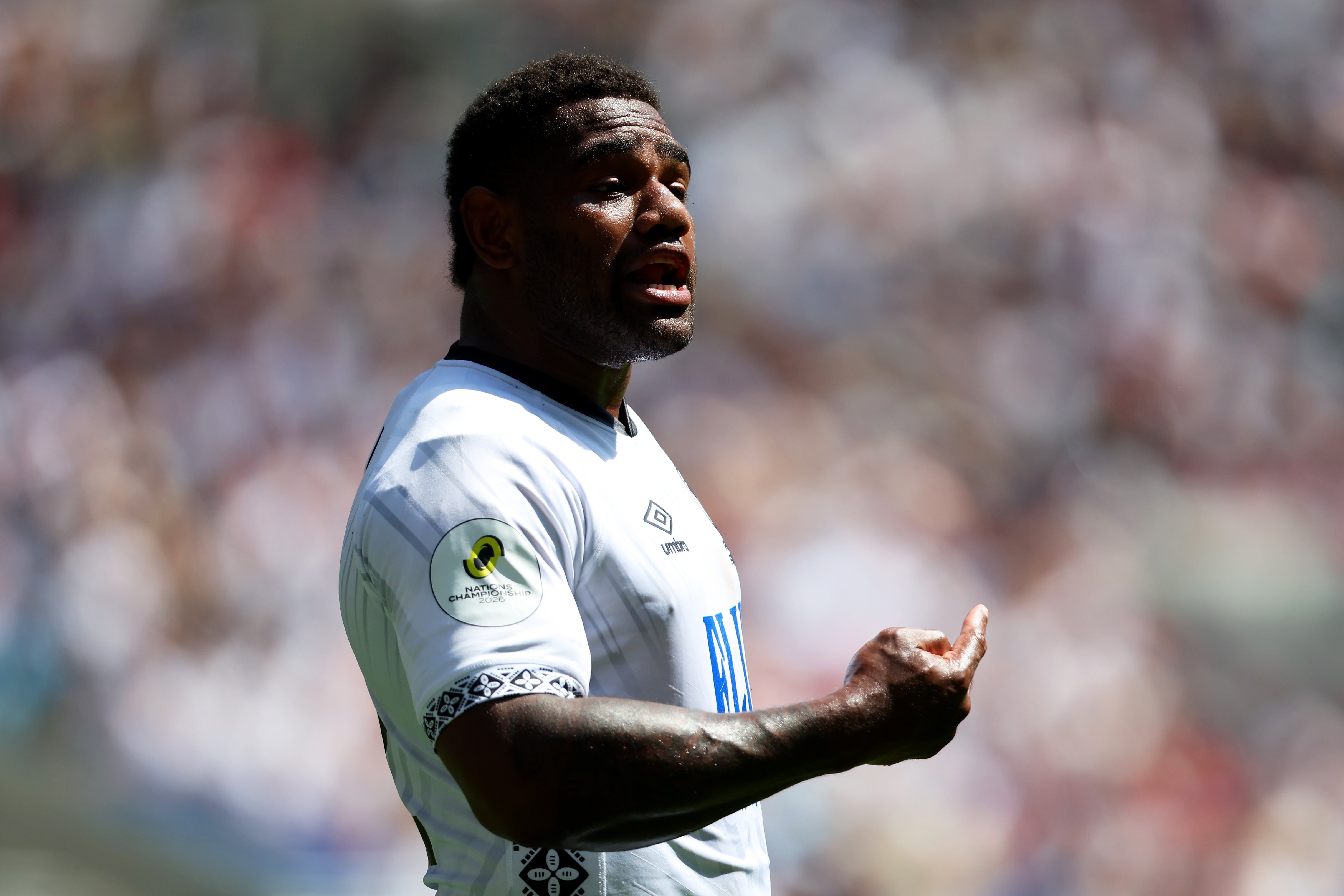 There is much to sort for Fiji (Getty)
On talent alone, and the fact they were quarter-finalists last time around, Fiji would merit a place a couple of spots higher. But the union appears mired in chaos, with the muddy circumstances surrounding head coach Mick Byrne’s departure and a poor start to the Nations Championship not exactly inspiring confidence. Defeat to Japan with a slightly weakened team in the Pacific Nations Cup final was another blow, though the draw at least looks reasonably kind come next year’s tournament.
10. Wales
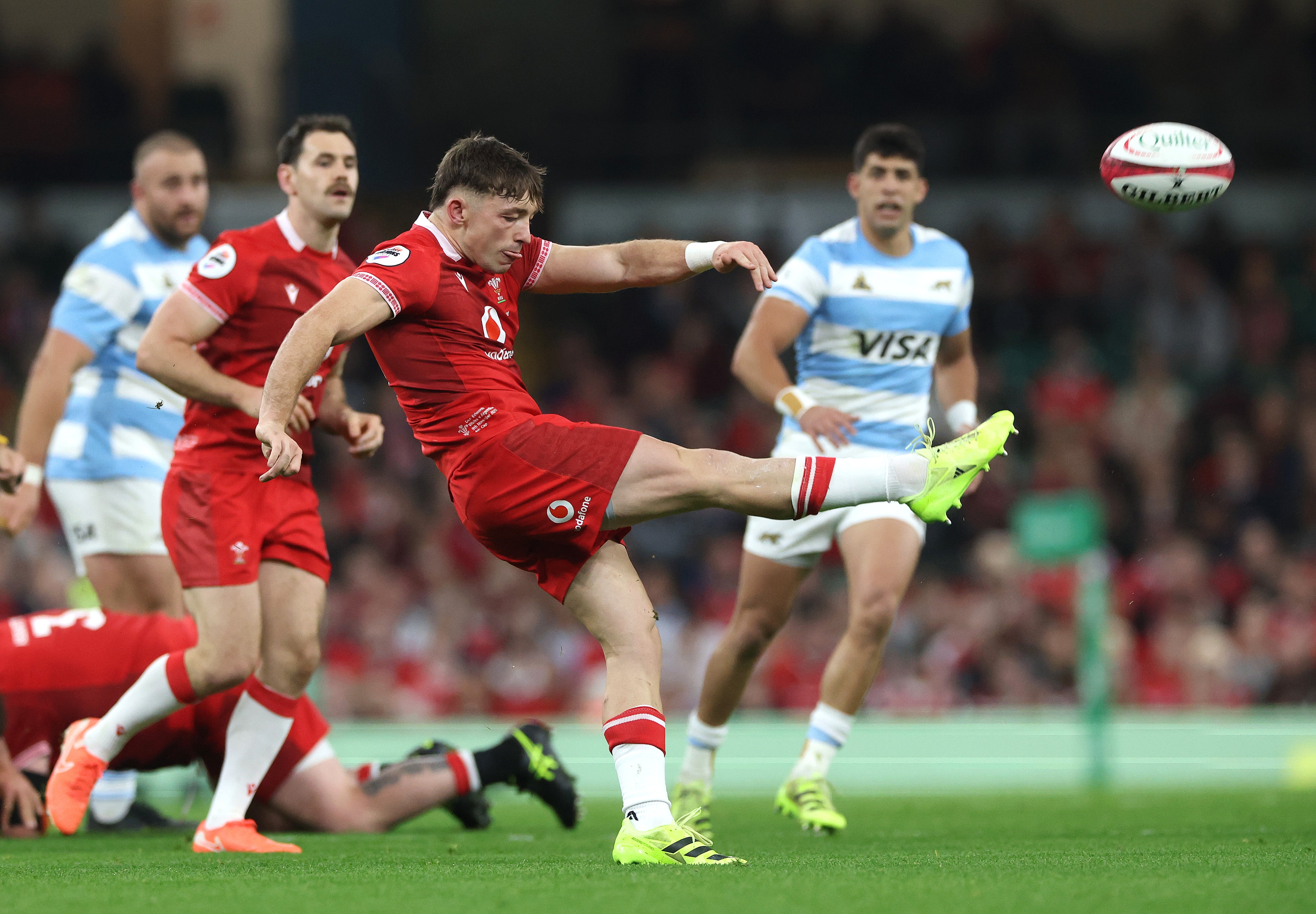 Wales have shown signs of promise of late (Getty)
The green, green shoots of optimism have begun to at last appear for Wales under Steve Tandy as a smart, tough team continues to emerge. Front five size and playmaking uncertainty may prove inhibiting factors for their growth, while matters off the field remain an ongoing concern and will surely spill again into the national set-up.
9. Italy
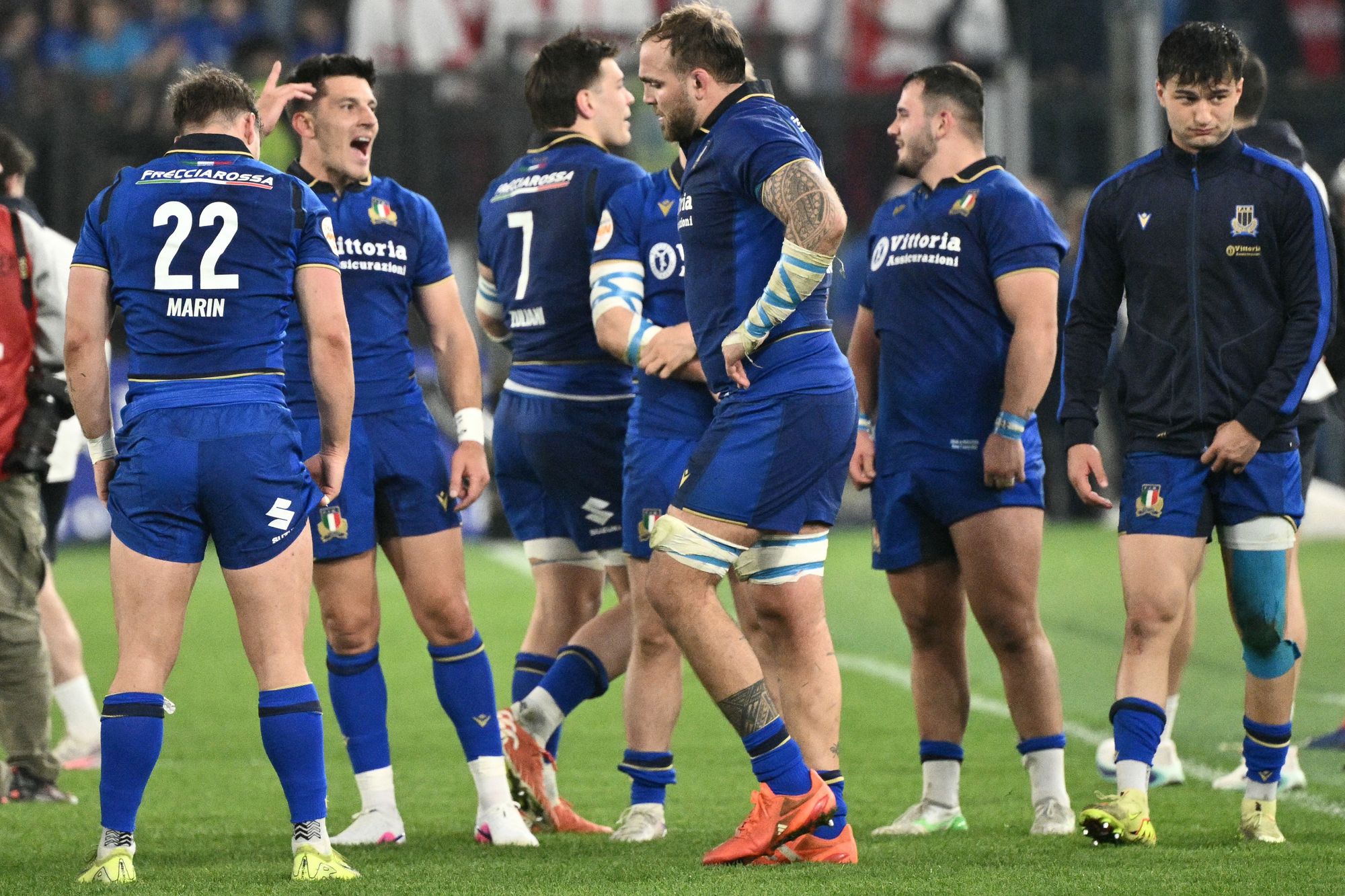 Italy beat England for the first time in the Six Nations (AFP/Getty)
The steps forward of the Six Nations seem to have been matched by a couple back for Italy over the summer, though there is little to choose between Gonzalo Quesada’s side and those above them. They feel like another nation that should benefit from the preparation time ahead of the tournament, and a revamped format is a boon as the Azzurri seek a first knockout appearance. Tasting success against England felt of real importance given the pair may be on a round of 16 collision course in Perth.
8. Argentina
 Pablo Matera and Argentina could be a real danger (Getty)
Beware the Pumas, semi-finalists at two of the last three World Cups and with a capricious brilliance that makes them a threat to just about anyone. One worries a little about their prop depth but Felipe Contepomi seems to be doing an excellent job of one of the tougher roles in rugby, managing a far-flung squad cleverly to rest, rotate and build depth.
7. Scotland
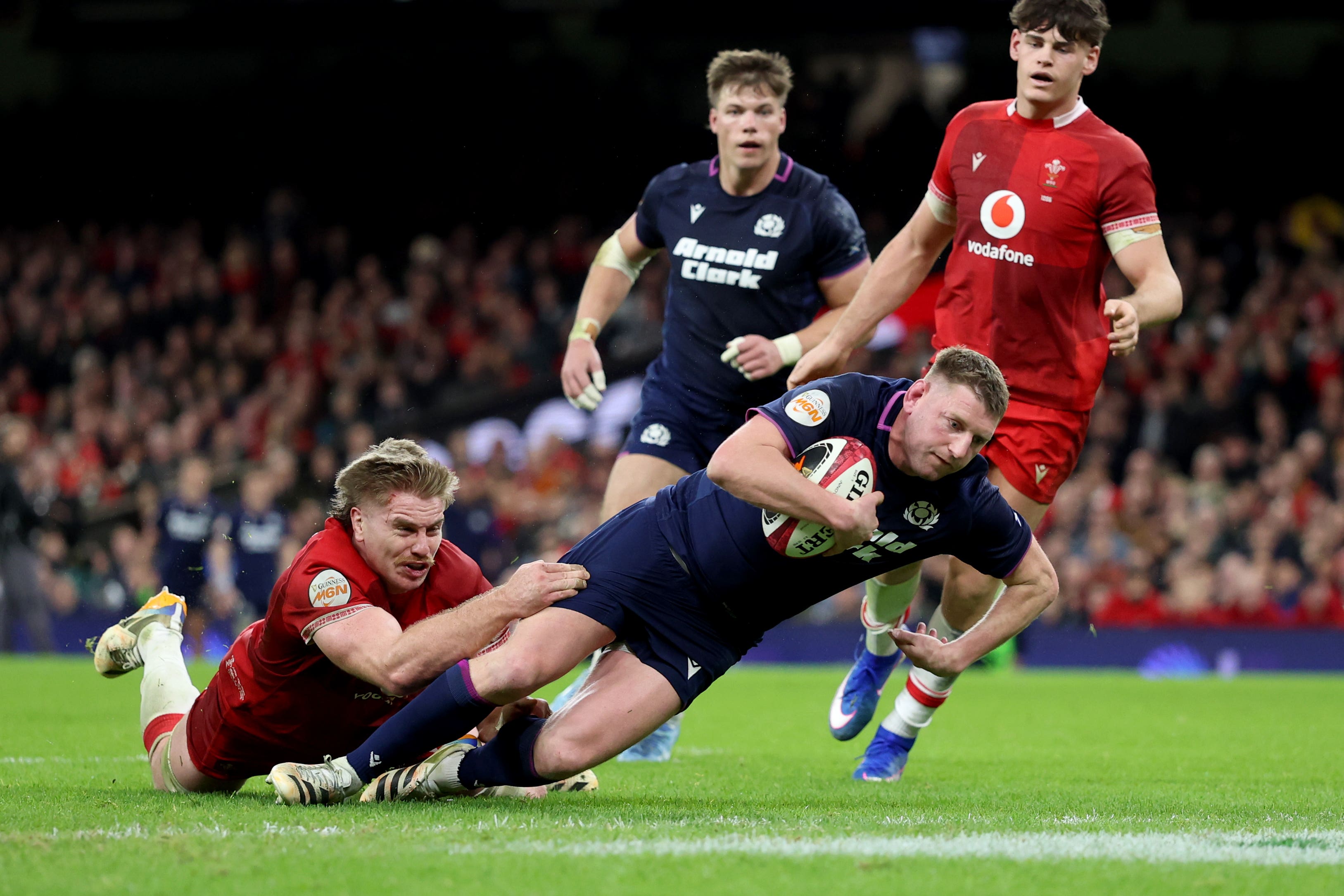 Scotland’s Finn Russell scores a try in their Six Nations victory over Wales (PA Wire)
On form alone, Scotland would sit higher on these rankings but – and yet again – a couple of factors are conspiring against them. The draw is not as brutal as last time around but still unkind, and Gregor Townsend’s men must still prove an ability to back up their biggest and best performances. The November game against New Zealand and Murrayfield meeting with Ireland in March are key staging posts for a likeable group that may be ready to take the next step.
6. Australia
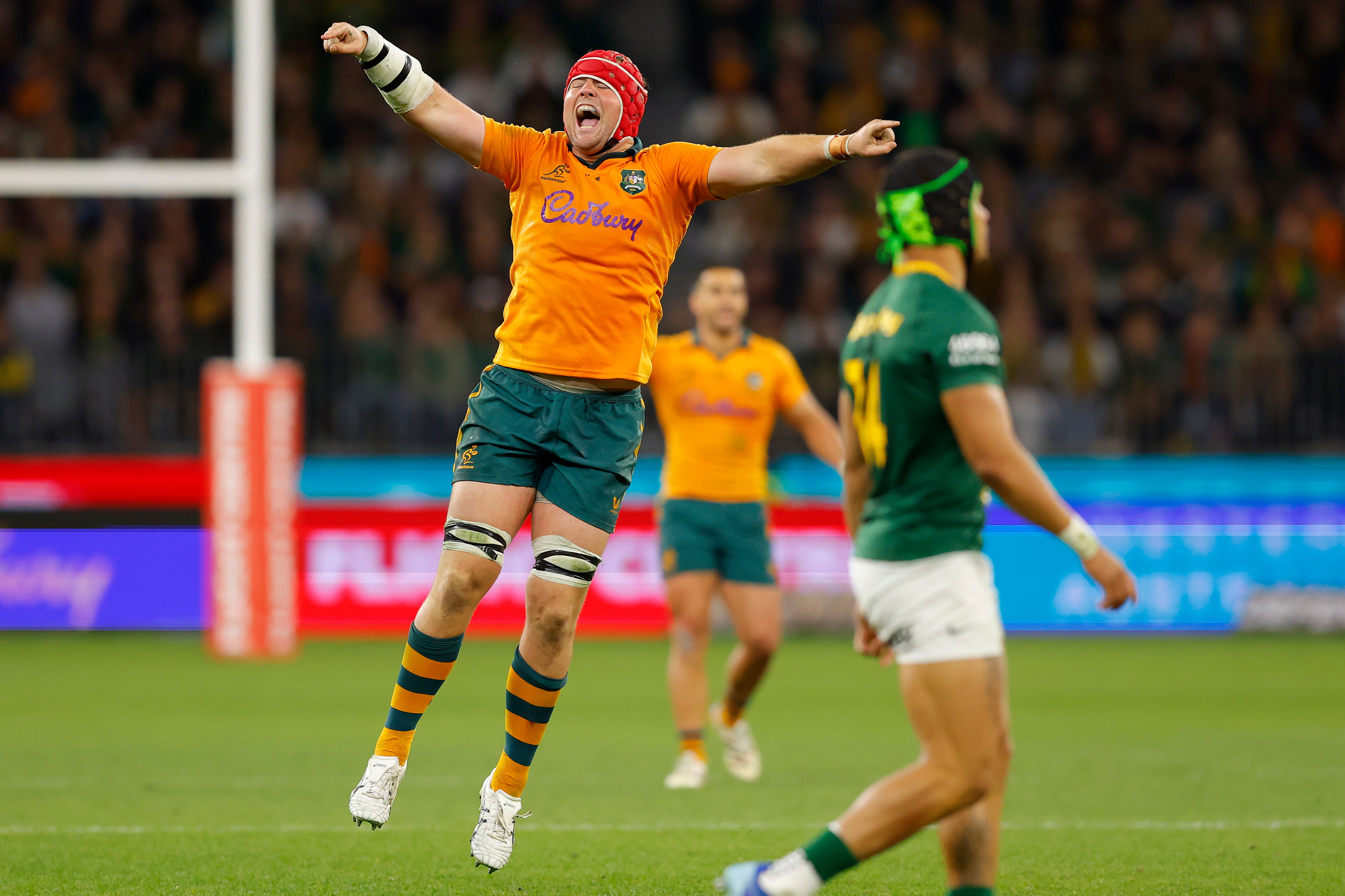 Australia secured a statement win over South Africa in Perth (Getty)
Something seems to be stirring with the Wallabies, with a chaotic win over the Springboks evidence enough of the athletic talent that makes them a real danger to go deep on home soil – with more reinforcements from rugby league still to arrive. The fly-half question is still to be appropriately answered, mind, and the 2023 tournament showed how a couple of key injuries can quickly thin the Australia squad.
5. England
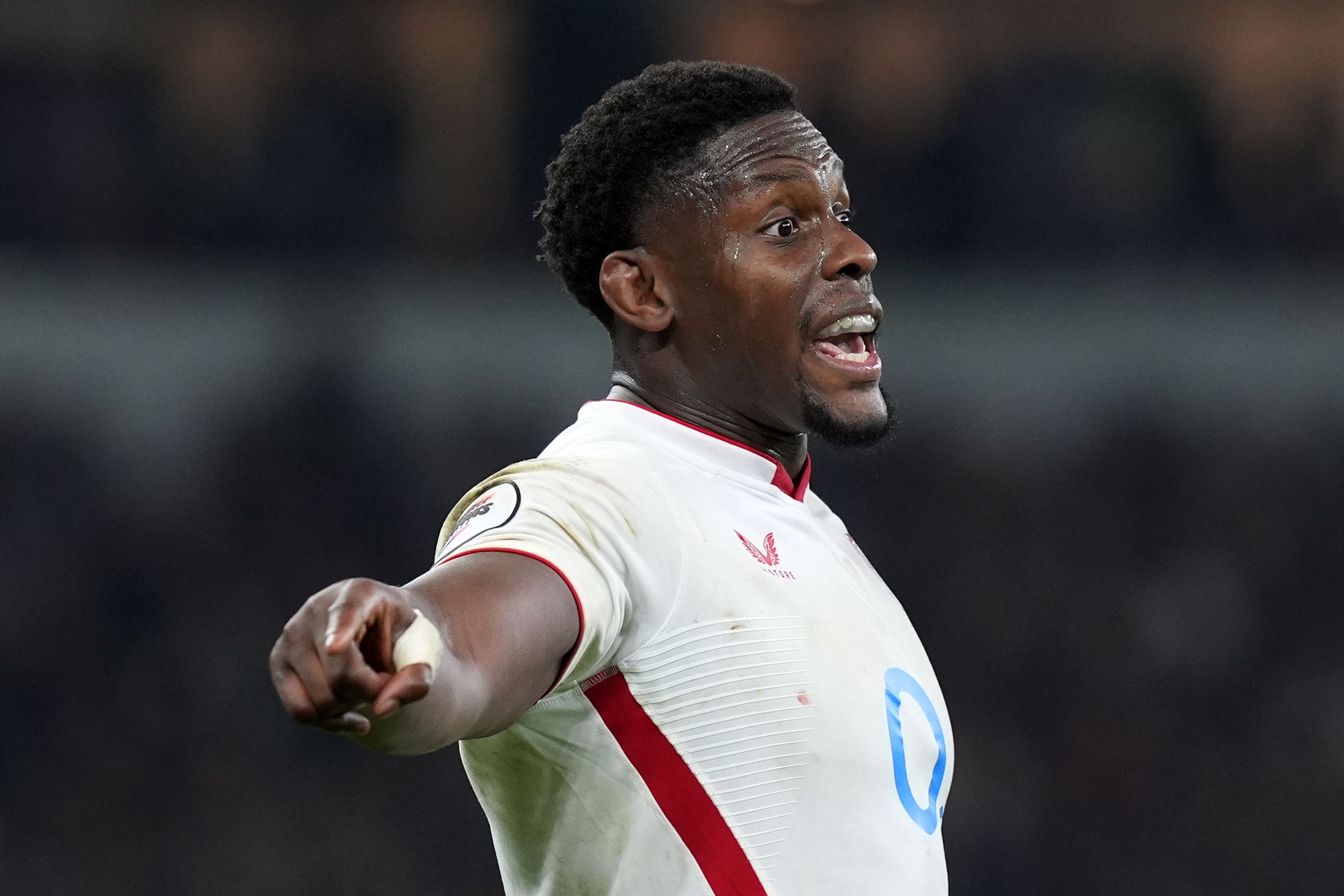 England captain Maro Itoje will hope to lead his side to a deep run in Australia (PA Wire)
A wretched Six Nations was only partially banished by a mixed start to the Nations Championship for Steve Borthwick, though there remains confidence internally that England are tracking reasonably well. In part that has to do with the obvious talent and encouraging age profile of a relatively settled group; encouragement is also taken from the way that strategies coalesced at a late stage of each of the last two World Cup cycles. And, importantly, they should end up in the much kinder bottom half of the draw, likely avoiding the Springboks, All Blacks and France until the final. Make no mistake, though: England must compete for the Six Nations title next year.
4. New Zealand
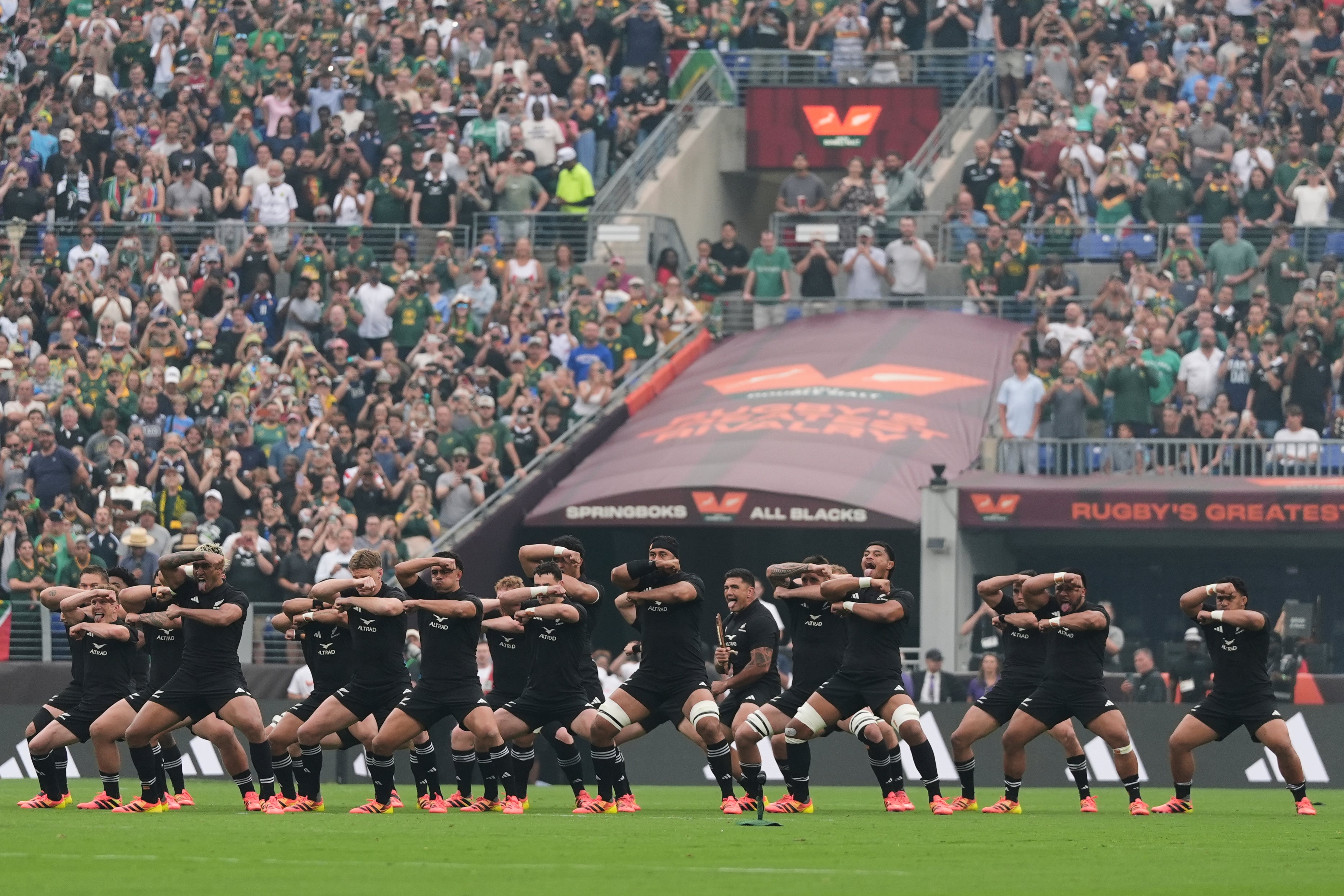 New Zealand have shown encouraging signs under Dave Rennie (AP)
The All Blacks pulled the plug on Scott Robertson with 22 months until the tournament, a decisive call partially vindicated by a solid enough start under Dave Rennie. The new head coach has re-established a clearer identity based around ball retention and width in attack, and South Africa were pushed closer in every Test than a 3-1 final margin in the Rugby’s Greatest Rivalry series suggests. Having Richie Mo’unga back bolsters playmaking options significantly even with Ruben Love developing well, though a last-eight shootout with the Springboks likely awaits.
3. Ireland
 Andy Farrell and Ireland hope to end their World Cup quarter-final hoodoo (PA Wire)
The World Cup’s perennial under-achievers, Andy Farrell will be delighted to see Ireland (in theory) on the right side of the draw. The Six Nations felt restorative in some ways for a squad that needed a refresh, though a couple of key positions (prop, playmakers) remain areas of concern – as is true of several other sides. Get past Scotland in the group and the route to the final could be relatively kind; it is surely time for a telling tournament run, or at least winning a knockout match for the first time in their history…
2. France
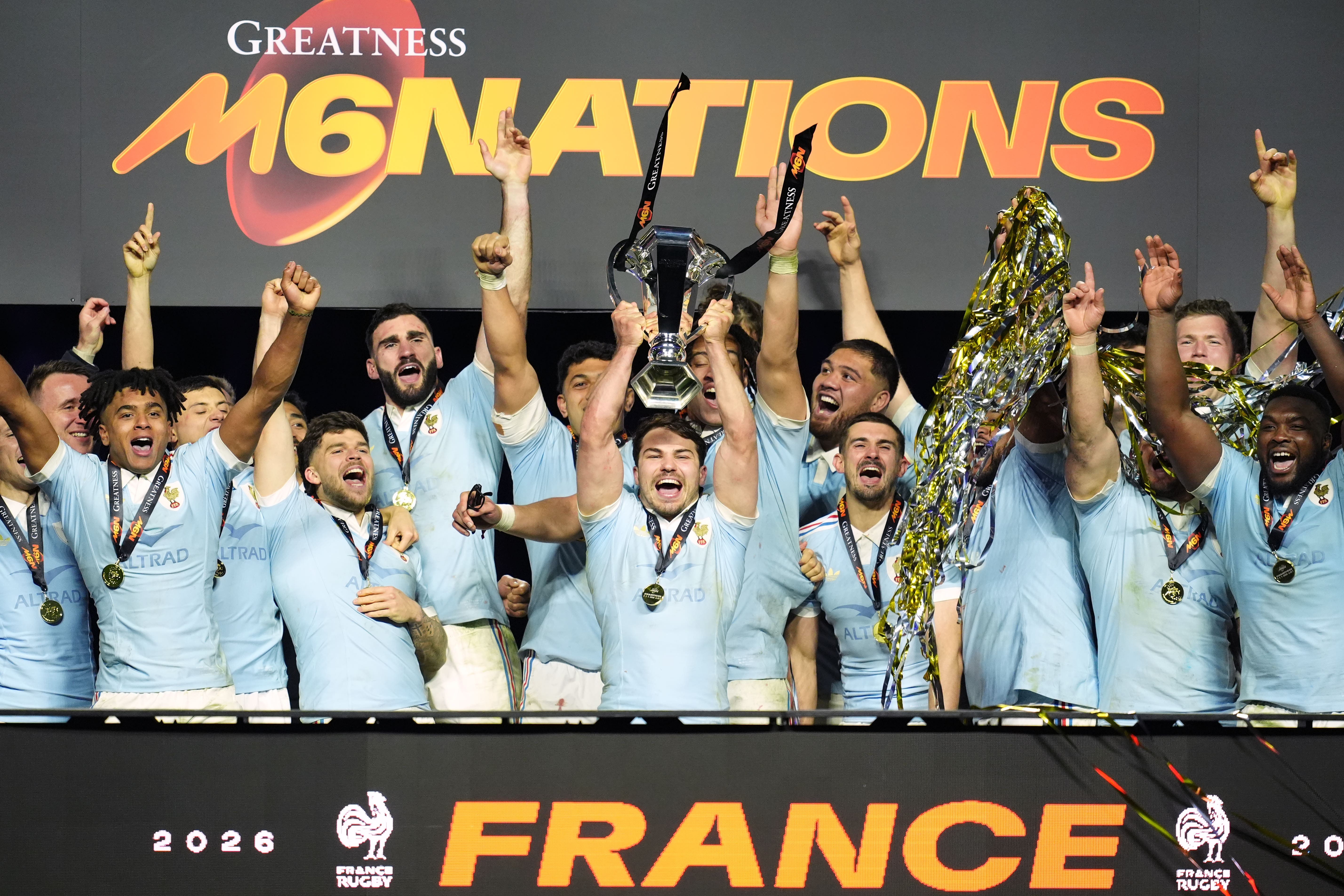 France’s Antoine Dupont lifts the Six Nations trophy (PA Wire)
It wasn’t to be on home soil in a World Cup of fine margins but could France rise to claim their first crown four years on? One must always exercise caution when assessing the July business of Les Bleus given the Top 14 takes priority, and club/country tensions could yet provide bumps in the road over the next 12 months. But Fabien Galthie has just about everything you would want in a tournament-winning squad at his disposal. Geoffrey Doumayrou has been brought in to replace Shaun Edwards as defence coach, and will be sternly tested by Fiji, South Africa and Argentina in November.
1. South Africa
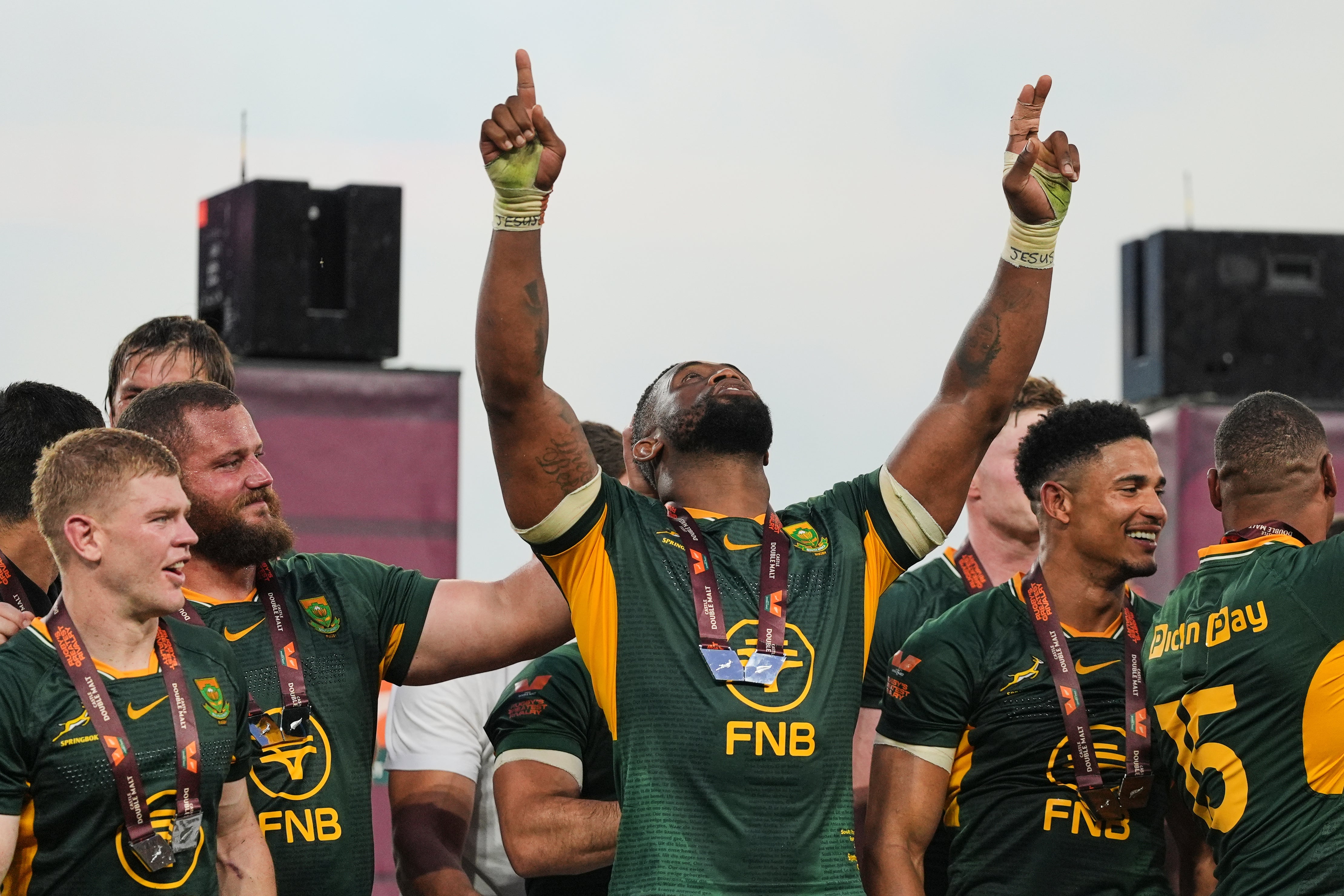 South Africa conquered New Zealand in the Rugby’s Greatest Rivalry series (AP)
The Springboks remain best in class even after a defeat in Perth. The back-to-back world champions remain at the vanguard of so much of international rugby’s tactical and technical evolution, with a squad that has totally bought in to their methods. If you were searching for reasons to doubt them, the heavy workload endured by certain South African stars in a congested calendar could yet be a factor, particularly with a significant chunk of Rassie Erasmus’s core into their 30s. Should the draw go to form, it may well be New Zealand in the quarter-finals – tasty, though perhaps a shame for a fixture between the two heavyweights that define this tournament to happen so soon…
Best of the rest
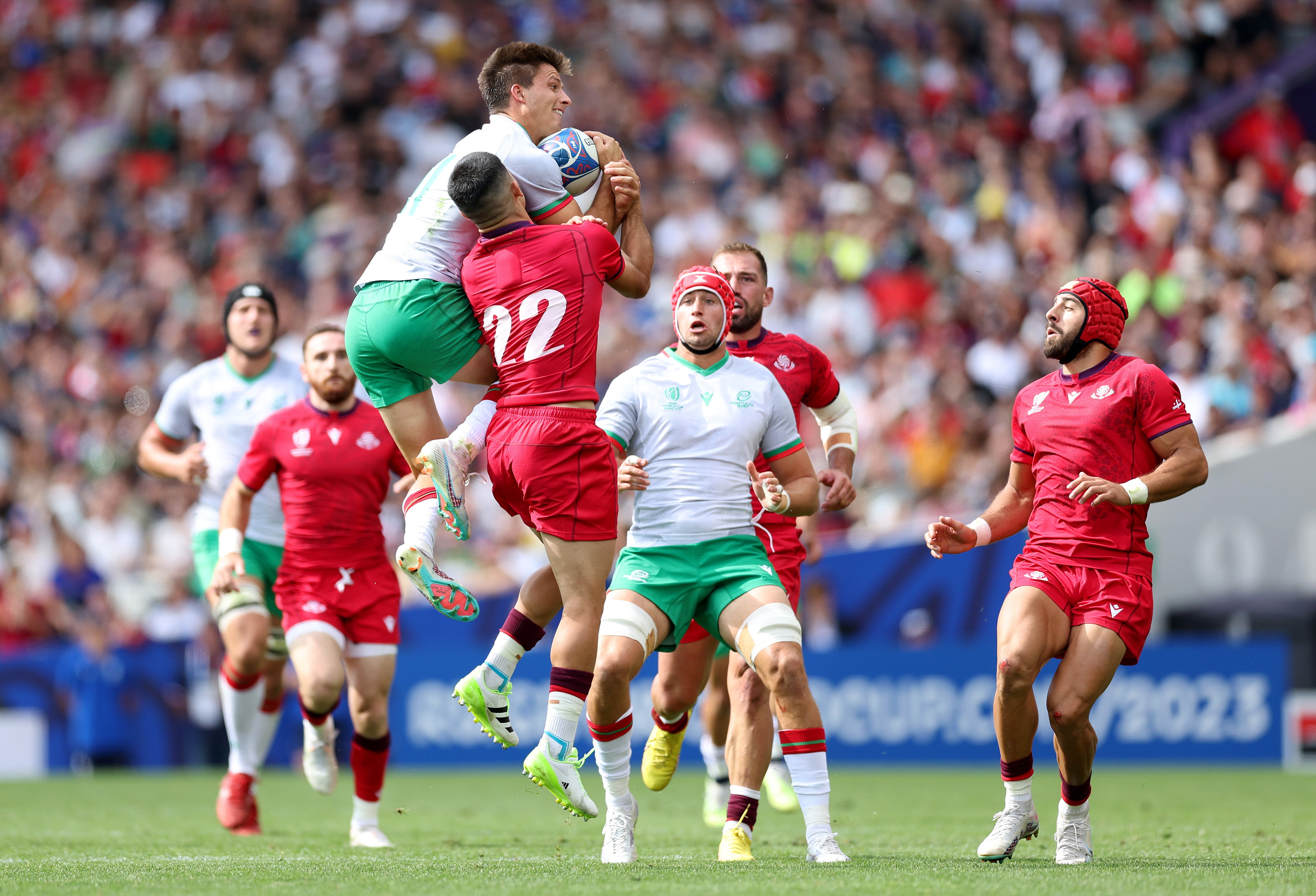 Georgia and Portugal are among the emerging nations hoping for strong tournaments (Getty)
An expanded tournament will provide plenty of opportunities for the next band of nations to push for a place in the round of 16. If it is a slight shame that they are locked out of the top tier of the Nations Championship, the second tier Nations Cup is at least providing consistent, compelling and varied competition for the next dozen beneath those ranked above.
Already, we’ve seen plenty of intriguing results in July: Uruguay, for example, scored 34 points or more in each of their three outings but failed to beat any of Georgia (34-41), Romania (36-36) or, most notably, Hong Kong (40-42).
Portugal, meanwhile, knocked off Georgia to claim their first Rugby Europe Championship in 22 years at the start of 2026 and there is a full programme of international action across Europe occurring this November as the Nations Cup continues. In many ways, encounters between these nations could be the more fascinating element of the pool stages in Australia.