
IRFAN KHAIRULAMAN/Shutterstock
We may receive a commission on purchases made from links.
Smartwatches may sit on the lower end of device ecosystems when it comes to pricing, but that doesn’t necessarily make them affordable. In fact, some smartwatches are outright expensive, with flagship offerings from top brands like Apple, Google, and Samsung all having starting prices of $380 or more. While some brands have streamlined features into entry-level smartwatches, or kept older models on the market for several years, even these options can be costly.
Amazfit has built its smartwatch lineup with affordability in mind. It’s the best cheap smartwatch brand according to users, and despite Amazfit smartwatch owners being able to brag about savings, Amazfit also doesn’t skimp on features, especially when it comes to the kinds of health and fitness tracking capabilities that are often most important to smartwatch users. It’s also among the smartwatch brands with the longest software support. Owned by Zepp Health, there’s a number of Amazfit alternatives to expensive smartwatches worth considering.
Amazfit Bip 6
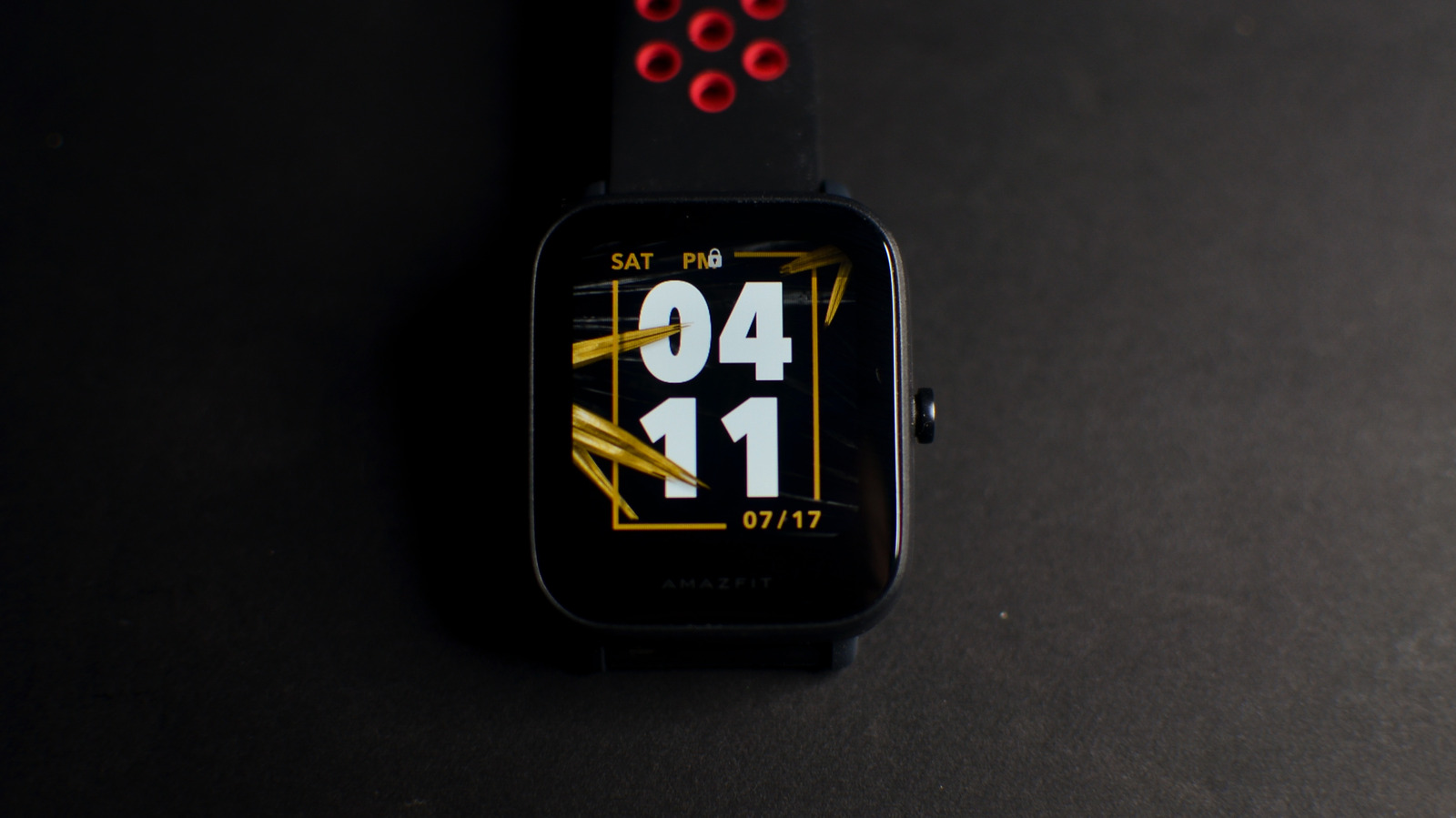
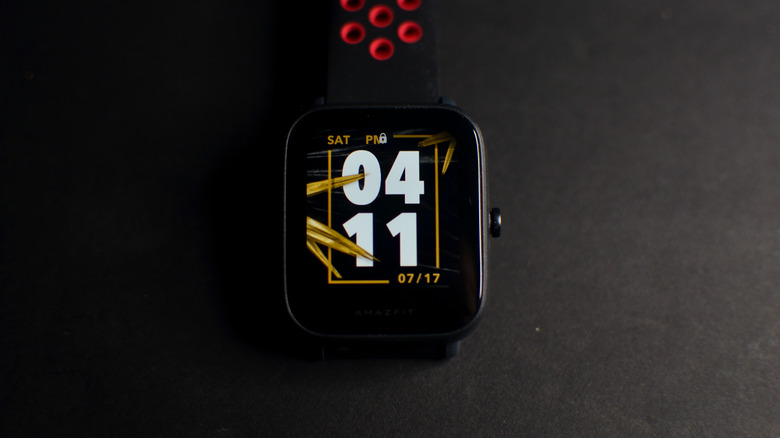
While there are some older Amazfit smartwatches still on the market, the brand’s most recently released entry-level model is the Amazfit Bip 6. It’s designed around a 1.97-inch AMOLED display and comes with built-in GPS, Bluetooth calling capabilities when paired with a smartphone, heart rate and sleep tracking features, and the ability to track more than 140 different physical activities. Like all other recent Amazfit models, the Bip 6 is powered by Zepp OS but is still able to pair with Android phones and iPhones.
Compared to entry points for other smartwatch brands, the Bip 6 is incredibly cheap. It’s priced at just $79, while the entry-level Apple Watch SE 3 starts at $249, and Samsung’s baseline Galaxy Watch FE is priced around $175. As the Bip 6 can pair with devices within Apple’s ecosystem, it could be looked at as more versatile than an Apple Watch, and with its 24/7 health monitoring capabilities, it’s also very capable — offering up to 14 days of battery life between charges.
The Amazfit Bip 6 is the cheap Android smartwatch Consumer Reports recommends buying over all others. However, you shouldn’t forget this is an entry-level smartwatch, and while it offers a lot of functionality for a $79 price point, the Bip 6 may still not be enough smartwatch for some users. Amazfit has plenty of other models also worth looking at though.
Amazfit Bip Max
Amazfit is one of the underrated smartwatch brands that can compete with Apple, and the Amazfit Bip Max is one of the reasons why. Released in mid-2026, it’s one of the newest models and it compares well with smartwatches like the Apple Watch Series 12 and Series 11. While the Series 12 starts at $399, the Bip Max is priced at just $100. Similarly, an Android flagship like the Samsung Galaxy Watch 9 starts at $380, and another, the Google Pixel Watch 5, goes for $400.
When it comes to features, the Bip Max is designed around a 2.07-inch AMOLED display. It has 4GB of onboard storage space, which can be beneficial for its offline map capabilities. While it includes built-in GPS, the Bip Max also allows for map downloads to prevent battery drain while out in the wild. The Bip Max is capable of reaching up to 20 days of battery life between charges.
While the Bip Max is in line with most contemporary smartwatches when it comes to styling, some may find more expensive models more visually appealing. Smartwatches like the Apple Watch and Google Pixel Watch are designed with stylish intentions, as are certain models within the Samsung Galaxy Watch lineup. That isn’t necessarily the case with the Bip Max. It has a stylish display, but finding more luxurious band options may be a challenge.
Amazfit T-Rex 3 Pro
Amazfit has been making everyday smartwatches for years, but with the release of the Amazfit T-Rex 3 Pro came a rugged option meant for fitness enthusiasts ready to take on the outdoors. It’s built with a titanium alloy bezel and a 1.5-inch AMOLED sapphire crystal display that can reach up to 3,000 nits of brightness, ensuring maps and data are easy to see even on bright, sunny days. The T-Rex 3 Pro is priced at $399, and while that may seem like a lot for an Amazfit smartwatch, it’s incredibly cheap compared to its competition.
The T-Rex 3 Pro’s spec sheet, as well as its design, puts it in direct competition with numerous Garmin smartwatches, as well as the new Apple Watch Ultra 4, which starts at $799. Similarly, the Garmin Fenix 9 start at $1,000. Some features that crossover all three are extended battery life and specialized sport modes, with the T-Rex 3 Pro reaching up to 25 days between charges and capable of tracking more than 180 different physical activities.
The T-Rex 3 Pro does have a very defined tactical look to it, which may not make it great for everyday wear. But for those diving into intense, specialized training activities, and for those who take their outdoor lives seriously, the T-Rex Pro can store downloaded maps on its 32GB of internal storage and even has a built-in, two-color flashlight with SOS signal capabilities.
Amazfit Active Max
Right in the middle of the Amazfit lineup is the Amazfit Active Max. From a visual standpoint, it’s a good example of how it can be difficult to tell the difference between luxury and cheap smartwatches. While several smartwatches in Amazfit’s lineup utilize a square design that somewhat resembles the design of smartwatches in the Apple Watch lineup, the Active Max utilizes a circular design that looks both rugged and premium.
As its name suggests, the Active Max is focused on health and fitness at heart. It has 4GB of onboard storage, access to free, downloadable maps, and more than 170 built-in workout modes. It also comes with access to Zepp Coach running plans, which can be personalized to help users meet certain fitness goals. These include AI-driven workout plans that are capable of adapting to your daily performance and recovery needs. Zepp’s 24/7 health monitoring features are part of the software package as well.
While not all smartwatch shoppers are bound to be fitness nuts, the visual aesthetics of the Active Max may be more appealing to some users than the designs of everyday options like the Amazfit Bip 6 and Amazfit Bip Max. With a price point of $170, the Active Max drastically undercuts its competition. This includes smartwatches like the $450 Garmin Forerunner 265 and even the entry-level Forerunner 70, which starts at $250.
Amazfit Helio Strap
While much more of a fitness tracker than a full-blown smartwatch, the Amazfit Helio Strap is a cheaper alternative to more expensive fitness trackers, but also to much more expensive smartwatches. If you want pure simplicity, the Helio Strap lacks a display entirely. This design has become somewhat popular among fitness enthusiasts, with options like the Fitbit Air and Garmin Cirqa Smart Band being the Helio Strap’s main competition.
The Helio Strap is priced at just $99. The Fitbit Air is priced similarly at $100, but the Helio Strap is half the price of the Garmin Cirqa Smart Band, which starts at $200. Another wearable that features a no-display design is the Whoop 5.0/MG, which starts at $199 and requires an annual membership for access to features. Amazfit does a solid job of keeping the Helio Strap competitive in terms of features, as it includes Zepp Health’s 24/7 advanced health tracking capabilities, and lasts for up to 10 days of battery life.
The no-display design may take some smartwatch wearers time to adjust to. While fitness tracking is at the top of Amazfit’s intentions with the Helio Strap, that doesn’t limit the device to being beneficial just to fitness nuts. Fitness beginners who don’t want to splurge on a full-blown smartwatch should consider the Helio Strap, as it is an unobtrusive and affordable way to track daily step count, learn more about the body’s rhythms, and receive AI nutrition insights.