
Credit: Far Out / Magnolia Pictures
Sun 4 October 2026 22:45, UK
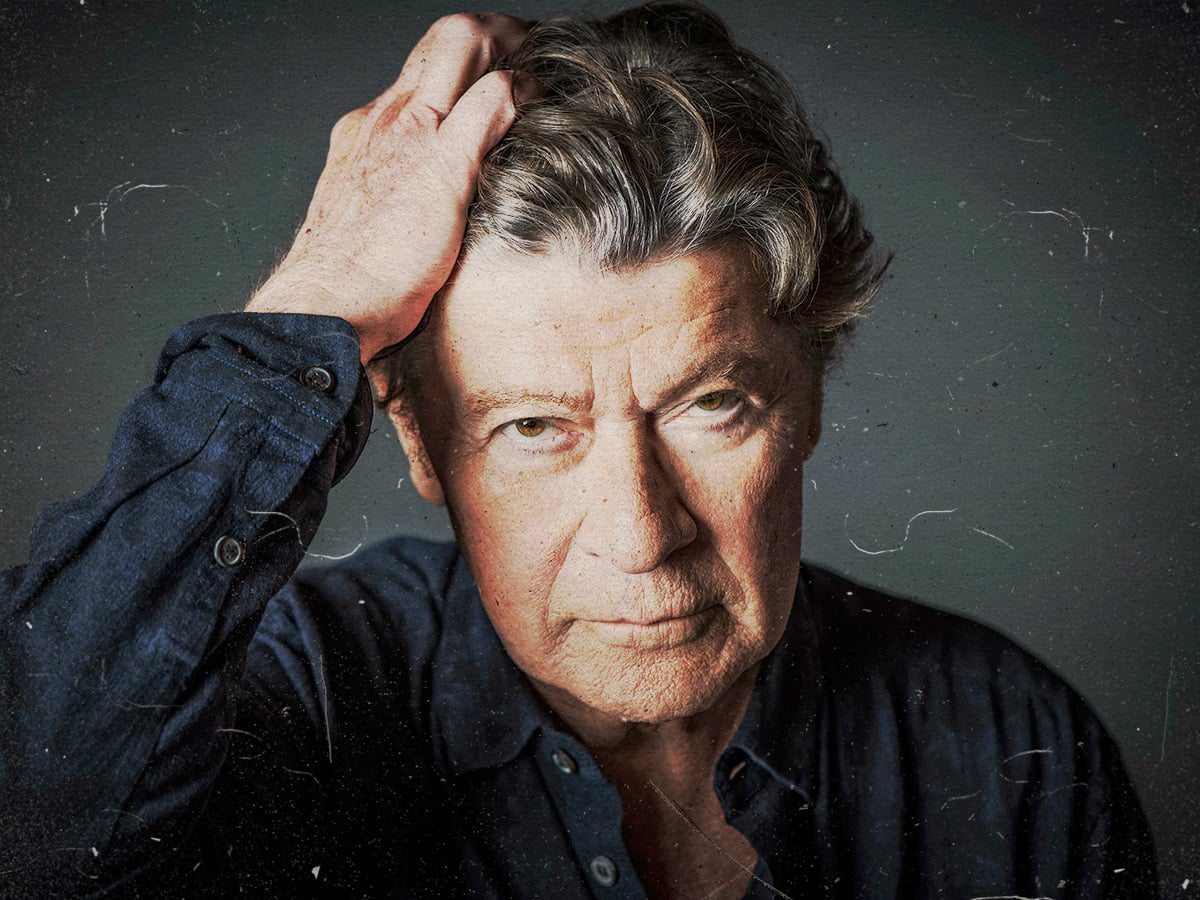
Ever since he was young, Robbie Robertson was something of an outlier.
From getting his first job at a freak show carnival to backing legendary songwriter Bob Dylan, Robertson knew what it was like to wade through one unbelievable situation to the next, living by the general mantra that the best music comes from putting different styles in “this big pot and mixing up a new gumbo”.
In fact, while Robertson grew up around the same influences as many of his contemporaries, from Buddy Holly to Bo Diddley, he always kept his eyes open to other types of sounds and styles that inspired him, knowing that, to stumble upon real greatness, you often have to venture a little further out of your immediate vicinity to find it.
As he once said, “I wanted to develop a guitar style where phrases and lines get there just in the nick of time, like with Curtis Mayfield and Steve Cropper. Subtleties mean so much, and there is a stunning beauty in them.”
Even when he aspired to play as well as rock ‘n’ roll guitar gods like Chuck Berry, Robertson dug a little deeper beneath the surface, recognising that those sounds weren’t just magical manifestations of complete originality, but instead they were “hand-me-downs” from other pioneers across jazz and classical music.
And eventually, Robertson found his own groove, earning a name for himself in association with his trusty Fender Telecaster that he played alongside Bob Dylan, supporting the brooding troubadour during one of the most controversial transitions of his entire career in the mid-1960s. Back then, Robertson learned quickly that his guitar wasn’t just an instrument but a “weapon”.
As he put it, the shows with Dylan were becoming that “unpredictable” – with audience members both delighted and appalled at Dylan’s sudden manoeuvre into electronic arrangements – that Robertson’s Fender became his wall of protection. “I adjusted the strap on my Telecaster so I could release it with a quick thumb movement and use the guitar as a weapon,” he recalled in his memoir, Testimony.
Further reading: From The Vault
Still, any other musician would have likely been tested during this phase, especially when Robertson could have just as easily opted out and ventured back to what he knew; back to safety. But being on Dylan’s side meant being close to the definitive compass of musical genius – it might’ve been tough, but it was the right call, through and through.
And Robertson knew that to be true simply because his belief in the Blonde on Blonde singer never wavered. Given his extensive experience and proximity to music’s greatest stars, Robertson knew authenticity the minute it stepped through the door, and Dylan, to him, was the ultimate standard for musical brilliance.
In his words, “Bob is a great barometer for young singers and songwriters. As soon as they think they’ve written something good – “I’m pushing the envelope here, I’ve made a breakthrough” – they should listen to one of his songs. He will always stand as the one to measure good work by. That’s one of the greatest accomplishments of all.”
ADD AS A PREFERRED SOURCE ON GOOGLE  The Far Out Bob Dylan Newsletter
All the latest stories about Bob Dylan from the independent voice of culture.
Straight to your inbox.