
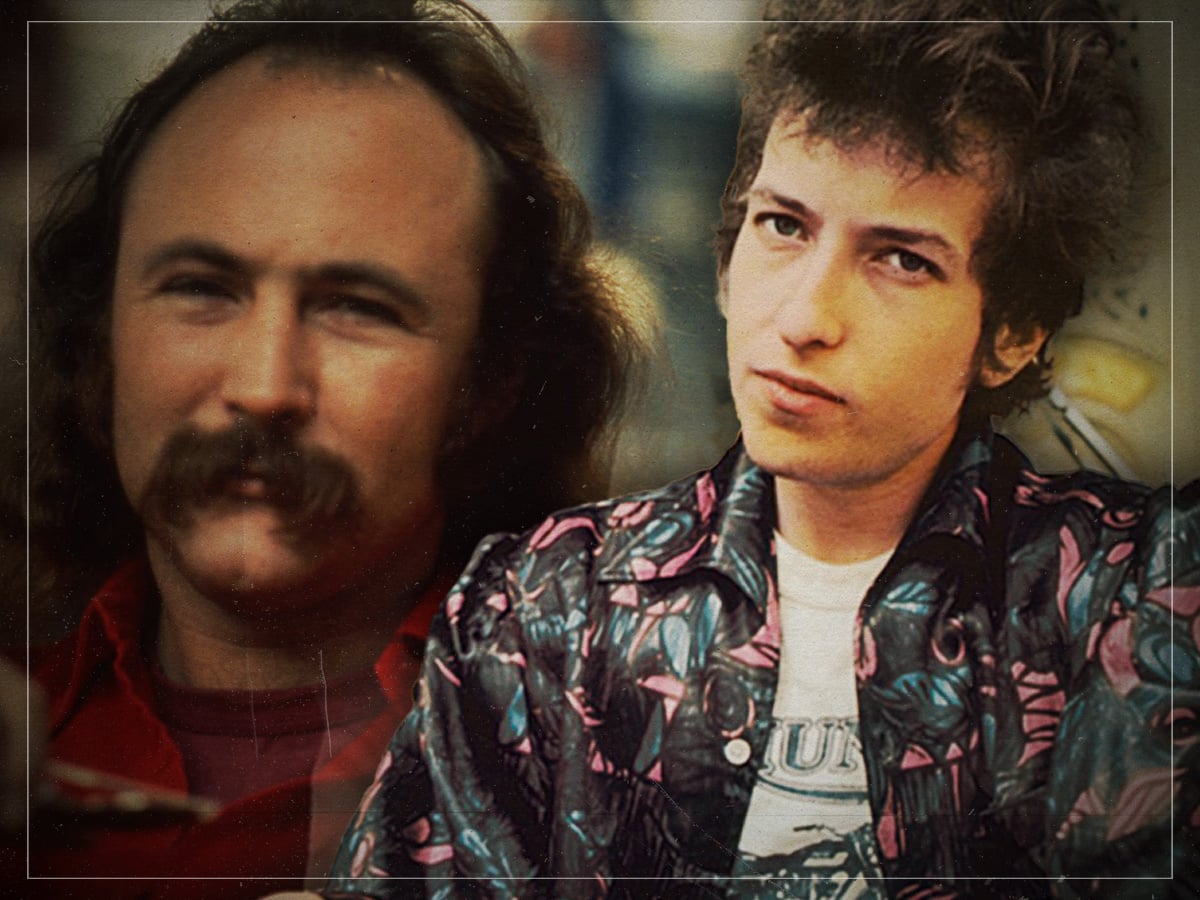
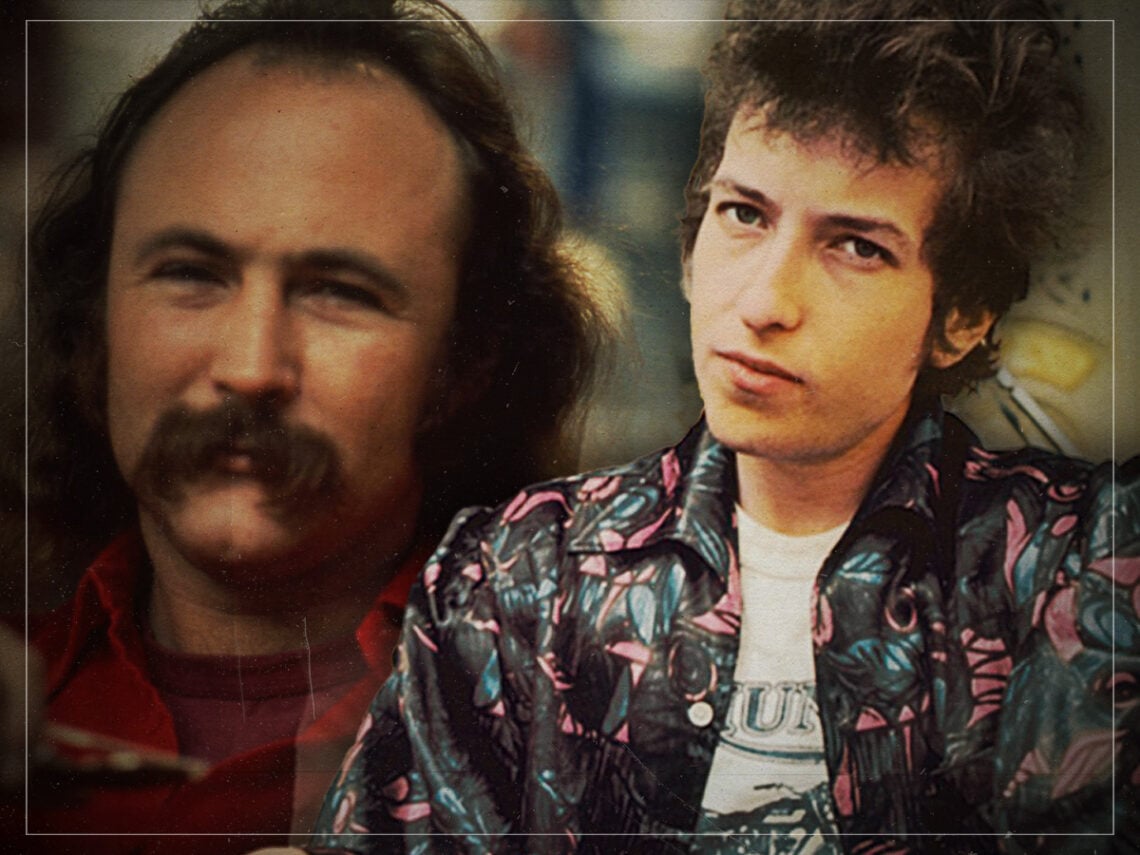
Credit: Far Out / Alamy / Album Cover
Mon 5 October 2026 1:45, UK
Simon Cowell once confessed that had Bob Dylan rolled through the shiny doors of his TV show American Idol, he probably wouldn’t have put him through to the next round.
I, personally, was relieved to hear this admission, for it sealed everything we needed to know about the TV show, Simon Cowell and all of the nonsense he was responsible for in the bleak cultural period of the commercial 2000s. But more than that, it lifted the lid on a very important discussion around Bob Dylan’s voice and how it fits in the conventional model of music.
For so long, even before the days of Cowell, commercialism sold the idea that musical greatness aligns with perfection, where instruments are played at precisely the right times, and voices barely move outside of the designated pitch. But as a matter of fact, that’s the complete opposite of great music, for art thrives best in areas of imperfections, where the uniqueness of its creator shines through.
That’s why Dylan, along with the likes of Neil Young and Björk, is so vitally important to culture, despite having what many conventionalists would describe as a weird and unappealing voice.
It’s the duty of musicians and music lovers to protect the idea that artistry comes in all shapes and forms, and if anything, some of the most vital and important art has come from those without the sort of voice Cowell would have given a thumbs up to. Everyone who saw Dylan play live during his radical ‘60s pomp could see that, for they understood the power of the culture they were living in. Well, everybody but David Crosby.
“When I first heard Dylan in New York didn’t like his singing,” he remembered, adding, “I thought, ‘Why doesn’t everybody like me more?’ But then I went to see him perform and I got it… his songs!”
It’s worrying that a songwriter with such experience adopted the Cowell approach initially. As a founding father of the counterculture movement, he should have known perfectly how an artist like Dylan would captivate a crowd. But it shows just how little a recording can do for an artist, and how even in times of changing culture, the live performance is still the most authentic portrayal of someone’s art.
Further reading: From The Vault
Soon after Crosby became something of a mega fan, to the point where he couldn’t even pick a favourite song. He said, “They were so good and there was one after another after another. Asking for a favourite is like asking a parent, “Hey, which is your favourite child?’”
Adding, “But when I first heard ‘It’s Alright, Ma’ it really was such a knockout. ‘Darkness at the break of noon /Shadows even the silver spoon’, hey, that’s the apocalypse coming, nothing less.”
60 years on and Dylan’s work is still as impactful as ever, not just because of his vocals, guitar playing or lyrics. But all of them combined for that rounded approach to songwriting is truly what makes great art, not the pitch-perfect performance of a song with no real meaning.
ADD AS A PREFERRED SOURCE ON GOOGLE  The Far Out Bob Dylan Newsletter
All the latest stories about Bob Dylan from the independent voice of culture.
Straight to your inbox.