
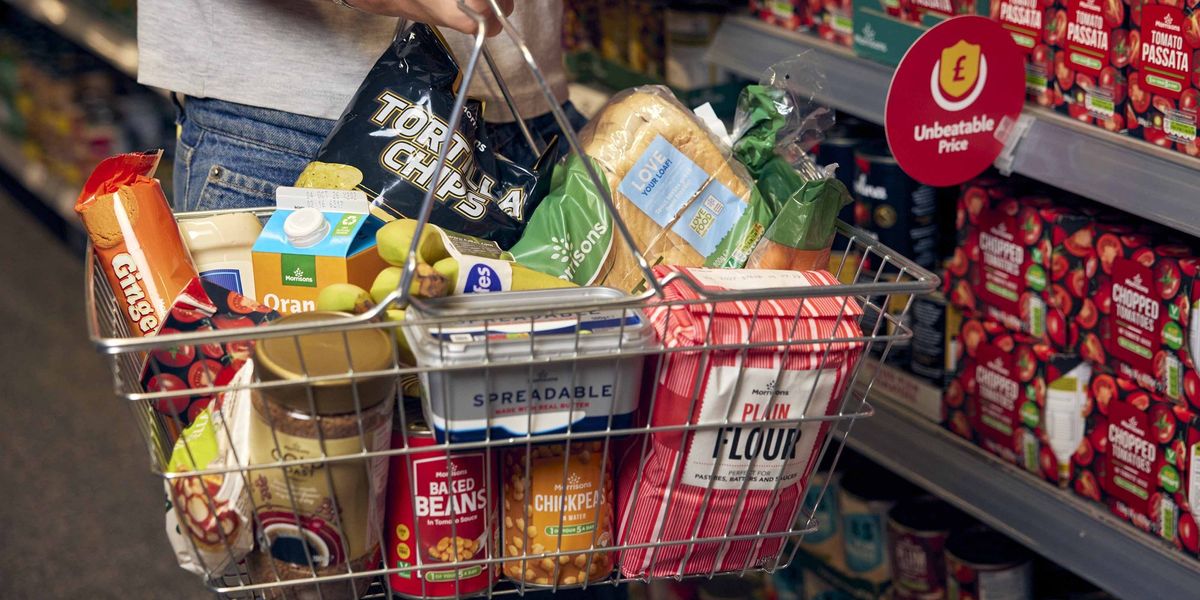
Supermarket shoppers could save more than £60 on the same basket of groceries simply by choosing where they shop, new research has revealed.
The latest monthly comparison from Which? found a huge gap between Britain’s cheapest and most expensive supermarkets in September, after tracking the cost of 93 everyday items.
Aldi came out on top once again, with the basket costing an average of £159.48 at the discount supermarket.
At the other end of the table, the same shop cost £223.38 at Waitrose, making it £63.90 more expensive than Aldi.
Ocado was the second most expensive, with shoppers paying £208.64 for the same selection.
Which? tracks prices across Britain’s major supermarkets each day, using data from an independent price comparison company and comparing up to 200 branded and own-label products.
Lidl came within just £2 of taking the top spot. Shoppers using its Lidl Plus loyalty scheme paid £161.48 for the 93 items, while those without the app paid slightly more at £161.84.
There was then a significant jump to Asda, where the same basket cost £186.71.
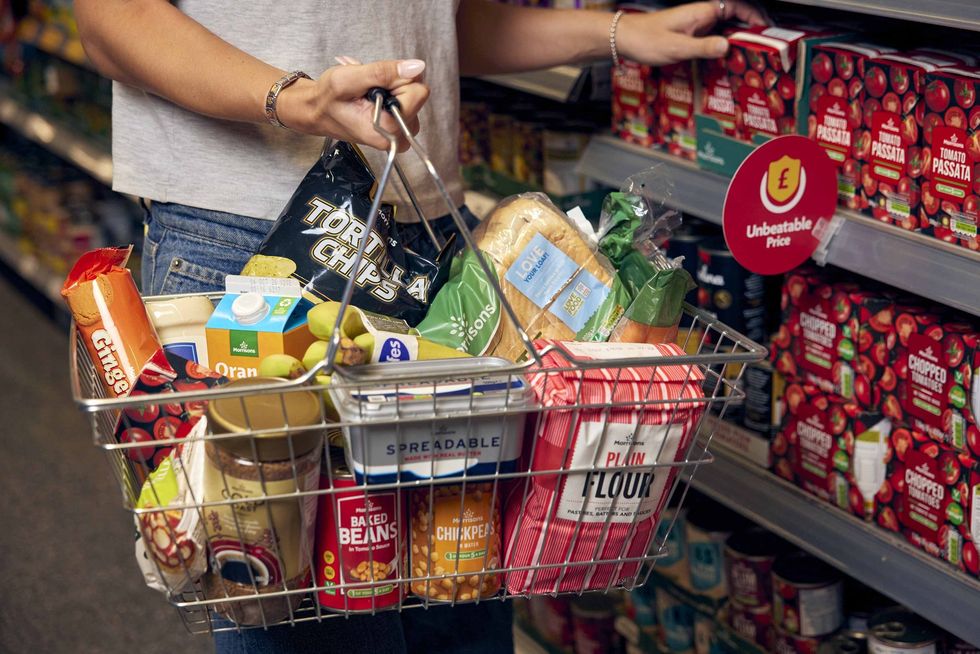
Britain’s cheapest supermarket named
| PA
Tesco and Sainsbury’s followed closely behind when their loyalty schemes were taken into account.
Tesco Clubcard members paid £187.71 on average, while shoppers using a Sainsbury’s Nectar card paid £188.95.
However, customers without either loyalty scheme faced noticeably higher prices.
The Tesco basket rose by £5.74 to £193.45 without a Clubcard, while Sainsbury’s shoppers without Nectar paid £195.01, £6.06 more than members.
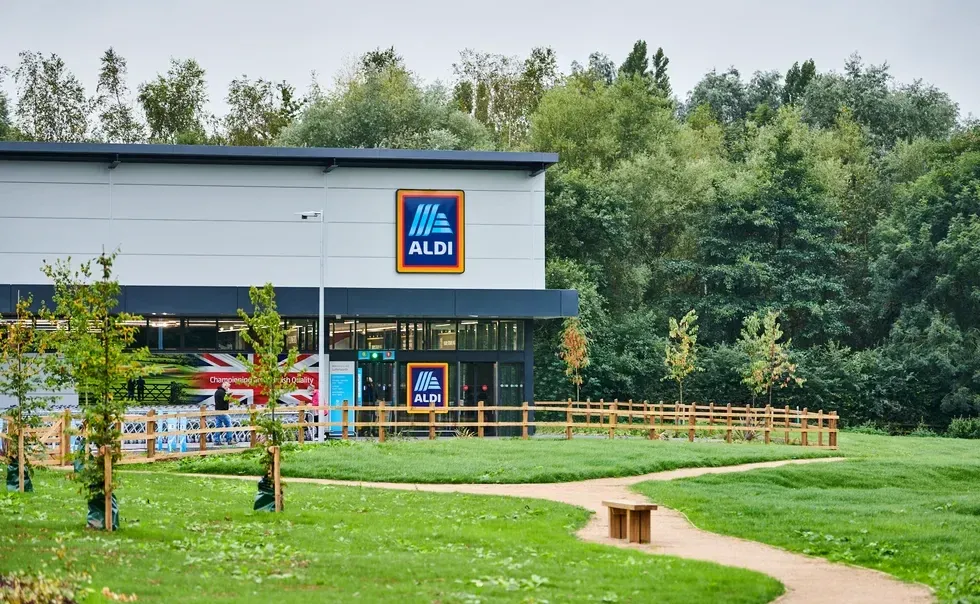 Aldi is one of the most popular supermarkets in the UK | ALDI
The contrast at Morrisons was far less pronounced. Its More card shaved just 20p off the total, bringing it down from £193.13 to £192.93.
Across all retailers, Which? counted 46 loyalty-linked discounts during September. Tesco accounted for 22 of those, Sainsbury’s offered 21, Lidl had two, and Morrisons provided just one.
The figures underline how much weight loyalty schemes now carry at the bigger chains.
Reena Sewraz, Which?’s retail editor, said: “A £60 mark-up on everyday groceries is a steep price to pay for store loyalty.”
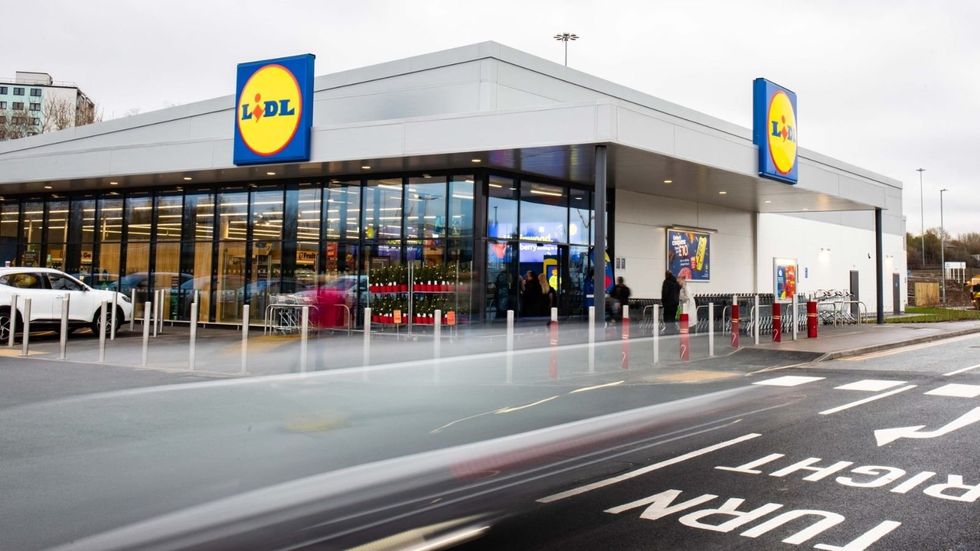
Lidl came within just £2 of taking the top spot
| Lidl
Ms Sewraz added: “September’s analysis proves once again that the discounters are the place to go to save and when the cost gap is that wide, switching where you shop remains the quickest way to cut your grocery bill.”
The findings will resonate with millions of households still watching every penny at the checkout.
For shoppers willing to make the switch, the potential savings of close to £64 a month represent a meaningful difference to the family budget.