

October 6, 2026 — 5:39pm
Save
You have reached your maximum number of saved items.
Remove items from your saved list to add more.
AAA
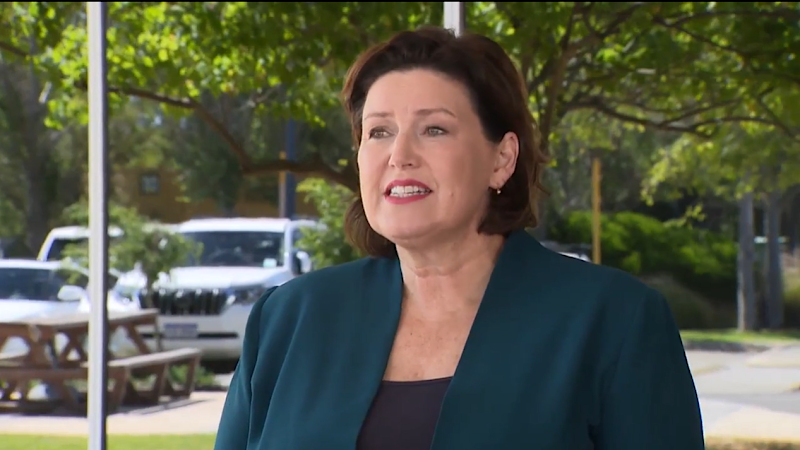
Western Australia’s fisheries minister has rebuffed calls to allow for “incidental” capture of great white sharks, as the government almost doubles its shark mitigation spend to boost helicopter and drone patrols at the state’s beaches.
Another $5 million will be spent this financial year on shark mitigation, bringing the total to $12 million, in the wake of a horror fatal attack at Sorrento Beach last month.
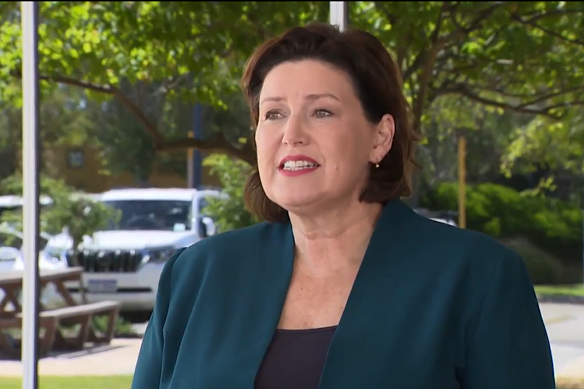 Fisheries Minister Jackie Jarvis.9 News Perth
Perth father Greg O’Neill was killed by a five-metre great white shark while swimming close to shore in the third fatal attack off WA this year.
And sharks have remained front-of-mind for WA beachgoers, drawn to the shore by a whale carcass that washed up at City Beach last week.
On Tuesday, Fisheries Minister Jackie Jarvis revealed Surf Life Saving WA would get $2.3 million to increase helicopter patrols, while another $1.2 million would be spent on more beach and drone patrols at Perth beaches during peak times.
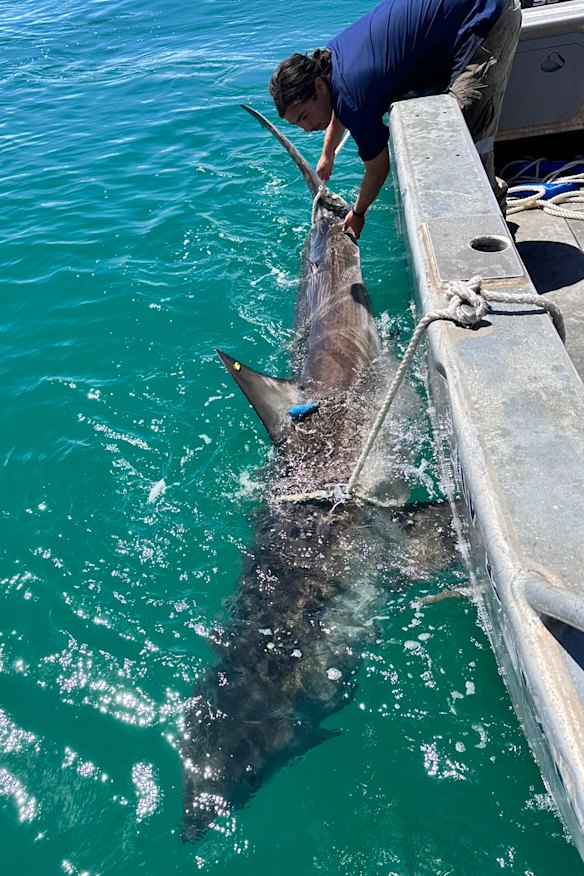 A 3.7 metre great white shark was tagged and released off Floreat beach last week.DPIRD
The government will also spend $200,000 to investigate alternative drone technology to identify sharks in the water, while Fisheries will get $800,000 to double its shark tagging efforts.
There have been 231 white sharks tagged in WA waters since 2009, 13 of those were tagged this year.
However, Jarvis rebuffed suggestions from retired fisheries scientist Jim Penn to allow for “incidental” capture of white sharks in a bid to keep the predators’ population levels down.
Penn, the state’s former chief fisheries scientist, told media on the weekend that white shark numbers off the WA coast were being underestimated and could be as high as 10,000.
He said the species’ population was kept at “a reasonable” level when they were being “incidentally” caught by shark gill net fishermen, before white sharks were given federal protection in 1999.
“So it was culling by a different angle, and that needs to be reintroduced,” he said on Sunday.
“If you go back in history, for the 30 years prior to them being protected, there was one shark attack in Western Australia.
“In the 30 years since, there’s been now 22, so a 22-fold increase. But that’s been ignored, if you like, for reasons of political correctness.”
Jarvis said the idea “a small number of commercial incidental capture” of white sharks would go any way towards shark mitigation was “quite frankly incorrect”.
Related Article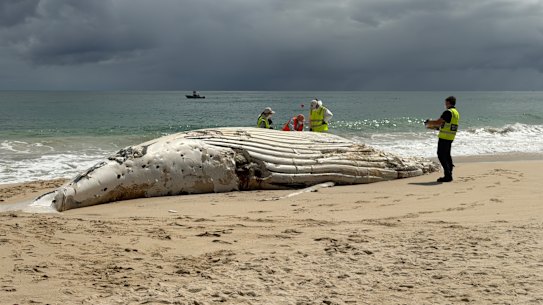
“We don’t have that many commercial fishermen who are targeting white sharks, there’s no commercial value for them,” she said.
Jarvis also questioned the scientist’s understanding of the CSIRO data the WA government relied on to determine shark numbers off the coast.
“The CSIRO is Australia’s leading science agency, we have a stock assessment from them from 2018, there will be another new stock assessment in May,” she said.
“Mr Penn asserts that there are more sharks now than there were in 1999. He is correct. That is why white sharks were protected in 1999.”
The fisheries minister also said she did not believe there was an appetite in WA for a cull of white sharks, despite the recent fatal attacks.
“The reason we protected white sharks internationally in 1999 is if you take apex predators out of the marine ecosystem, it has serious flow-on effects to the marine environment,” she said.
“We will have up-to-date shark numbers from CSIRO, Australia’s leading science agency, by the middle of next year.
“We can have that [culling] conversation at a national level with all the fisheries ministers – I don’t think that there is an appetite to start culling a shark when we have spent a few decades bringing it back from extinction.”
Tuesday’s announcement also included $500,000 to go towards 10 new shark monitoring network receivers.
Related Article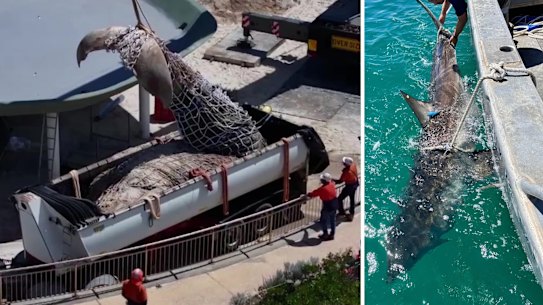
However, opposition fisheries spokeswoman Kirrilee Warr said the government should demonstrate the effectiveness of existing shark mitigation strategies before committing more money.
“No one would argue against investing in public safety, but the community deserves to know how success is being measured and what practical difference this package will make in the water,” she said.
“Regional communities such as Geraldton, Esperance and Albany, where recent attacks have occurred, deserve certainty that they will receive the support and protection they need heading into summer.
“The promise to double shark tagging might sound impressive, but communities deserve clarity on when it will happen, where it will occur and how it will improve public safety.”
Meanwhile, the installation of a shark barrier at Cottesloe beach for the upcoming summer has been delayed due to weather forecasts.
The barrier, which costs the Town of Cottesloe $120,000 a year, was due to be installed at the iconic beach on Wednesday, however it will now be installed on Monday, and will remain in place until the end of April.
Save
You have reached your maximum number of saved items.
Remove items from your saved list to add more.
From our partners