
Credit: Far Out / Zachery Michael
Sat 10 October 2026 18:12, UK
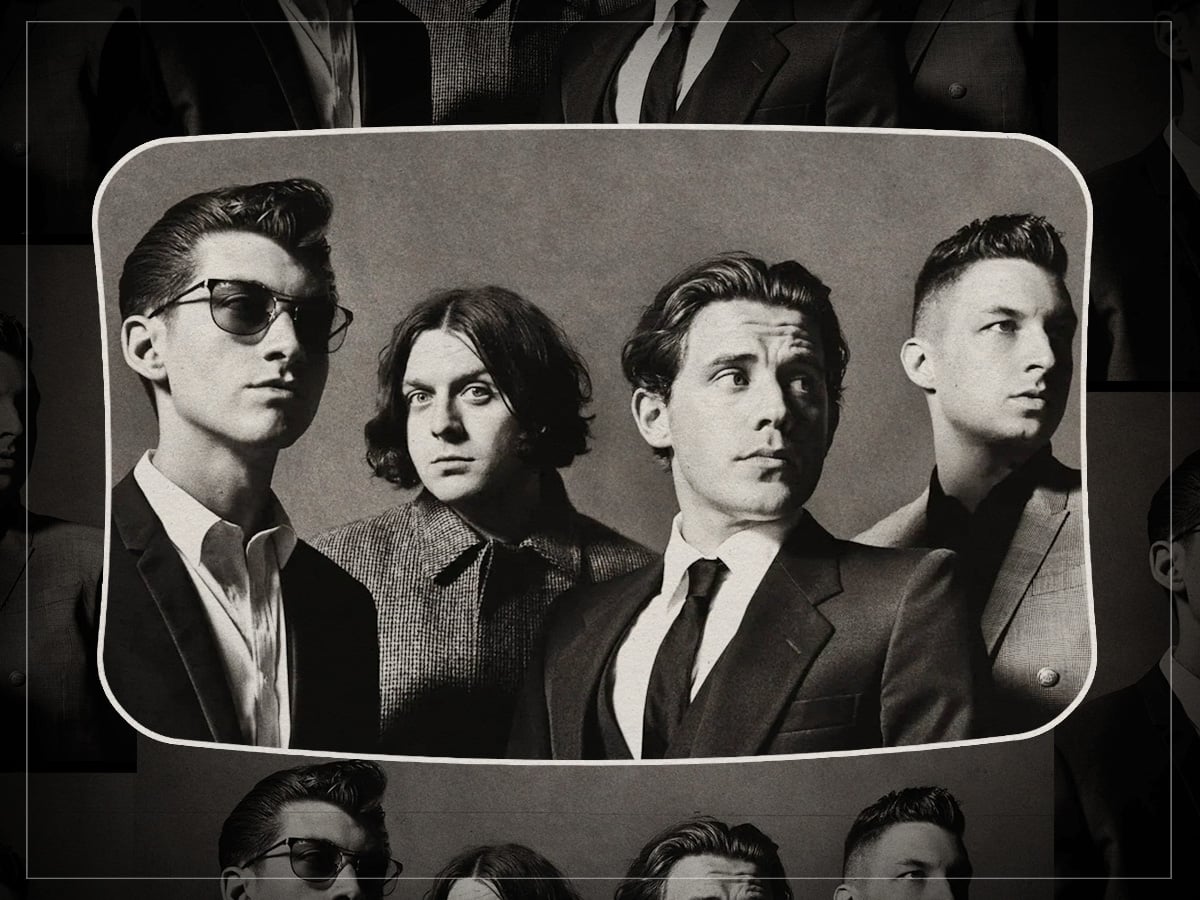
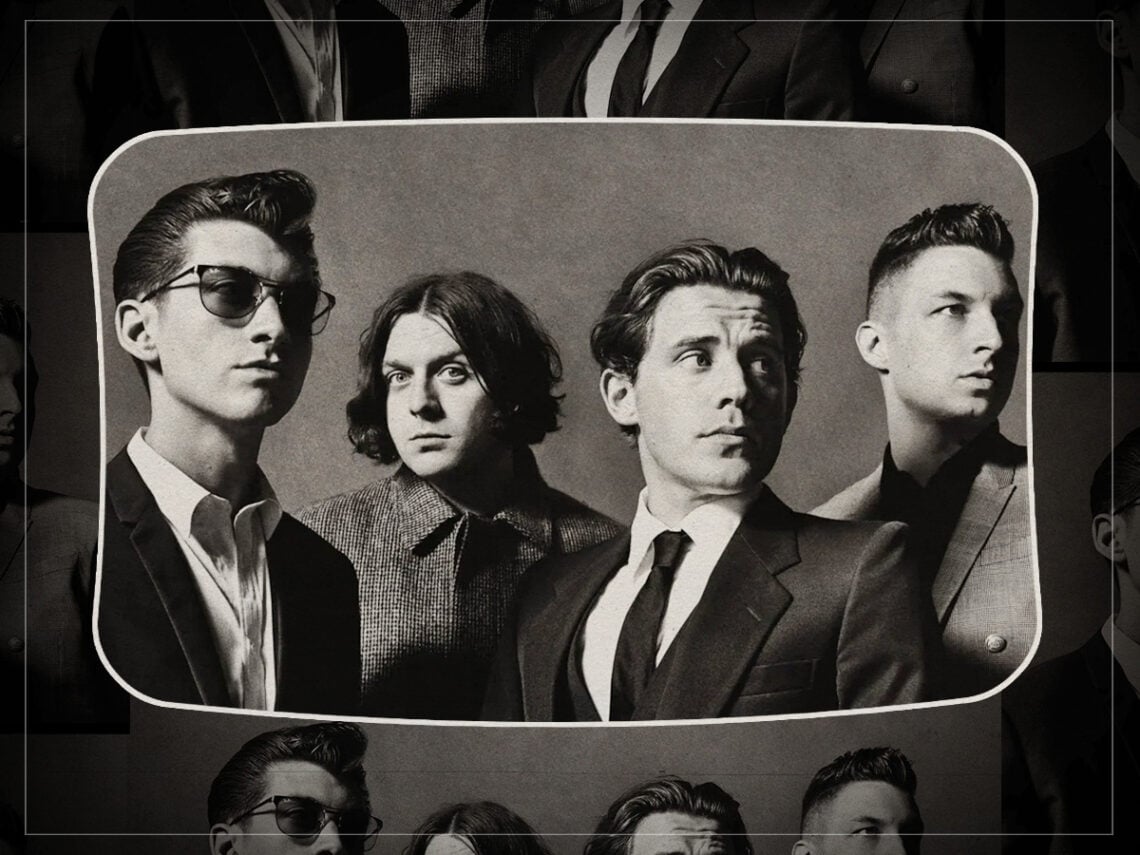
The first words most people heard from Alex Turner and the Arctic Monkeys were, “Don’t believe the hype.” There was an air of irony to that proclamation, which is just as well considering they would go on to be the most successful guitar band of their generation.
They now sit in an unrivaled position for indie acts, having managed a feat that is increasingly rare: commercial and critical success. Geese, for instance, might be hailed as the genre’s new darlings (and rightly so), but their most-streamed song has 0.85% of the plays that the Sheffield lads mustered with their most-played anthem.
While that might be a decidedly modern way to gauge commercial success, this story actually started back in 1982. At that time, John Cooper Clarke was a well-established heroin addict (and a slightly less well-established poet), having been on dope for around a decade.
“Poetry has never been a reliable engine of income,” he once quipped. It’s a maxim that holds even more water when most of that income is disappearing into a hole in your arm. So, the punk poet from Salford was a world away from the likes of Lord Byron and the bards of old who would spin their yarns while luxuriating in opulence.
Yet, with his poem, ‘I Wanna Be Yours’, first published in ’82, he used this lowly status to his advantage. Most love affairs, after all, don’t unfurl in castles and most couples don’t have time to be as doting as the pages of romance novels might suggest. There are bills to be paid, jobs to do, landlords to contend with, and little time left for flowery fancies that fill up Byron’s fruity verses.
 Credit: John Cooper Clarke
However, Clarke knew that doing the hoovering, topping up the leccy meter, and cleaning the Ford Cortina are, in a way, acts of devotion. This lesser broadcast side of love, the domestic reality of it, is at the heart of ‘I Wanna Be Yours’, and Alex Turner was deeply moved by it. So, in one of his softer moments, he decided to turn into a song.
Without Clarke, the Arctic Monkeys may never have formed. The back-combed bard came along in Turner’s youth as part of the school syllabus, grabbed him by the lapels, and shook him like a second-hand Skoda trundling over a cattle-grid. Before that, Turner had been kicking footballs and the odd empty can around the alleys of High Green. He was quite satisfied with that lot in life, to be frank.
However, Clarke’s wit and the relatable scenes he painted with it made Turner realise that poetry wasn’t reserved for prats in trilbys. So, he infused his love of The Strokes with a wealth of cunning rhyme, and within two years, the Arctic Monkeys had gone from playing in garages with cheap lager to being the pioneers of a new brand of eloquent indie with scruffy riffs.
The problem is that nobody could do it quite like them, but plenty tried. This meant they were out on their own. Yet, despite not having a proverbial Stones to their Beatles to sustain the movement’s place among the mainstream, they still managed to make a good commercial fist of it with a constant string of hit albums. So, by the time that their fifth effort came around, Turner looked back to his early hero and, with a few tweaks and sultry melody, turned Clarke’s poem into a song.
When Clarke was told that it had hit a billion streams in 2023, he simply asked, “Is that a lot?” It was a hell of a lot for a modern guitar band. Since then, the track has – to use another regrettably modern phrase – enjoyed even more ‘virality’ over on TikTok. In some ways, that’s a compliment, capturing how, even in a fleeting clip, it can convey the defiant reverie of realist romance.
Now, in 2026, 13 years on from its release, it is the most-streamed song by any guitar band, period. In fact, with a little over 4,000,000,000 plays, it is the 12th most-streamed song of all time. And, on a more conjectural note, it is by far and away the best track in the top 20. The Arctic Monkeys always could pair commercialism and critical acclaim with aplomb, after all. Even more so when they’re working with the words of Britain’s most beloved poet.
When I interviewed John Cooper Clarke, he assured me he was delighted with the result. The odd potential royalties cheque may well have made him even sweeter on it since. Thank god he’s been clean since ’92, I suppose.
