
Cheshire West and Chester holds a meeting of Full Council next week where they are poised to discuss a motion concerning the future of the e-MERLIN network and Jodrell Bank Observatory.
The observatory – which is in Cheshire East – came under the spotlight recently after UK Research and Innovation (UKRI) announced plans to withdraw its £2.8 million annual funding.
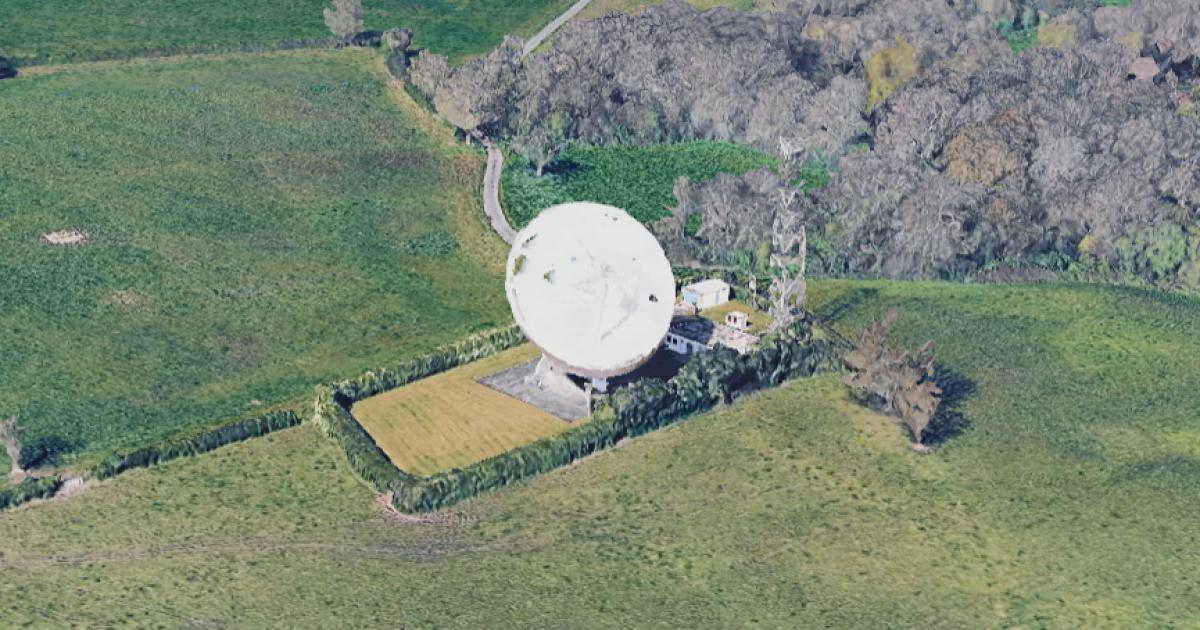
But the move has also cast doubt over the radio dish at Darnhall in Winsford. It is one of seven large radio telescopes linked across England to form e-MERLIN, the UK’s national radio astronomy facility. Operated from Jodrell Bank, the network extends across 217 kilometres and produces detailed images of the universe.
While the network’s current funding is secure until March 31, 2028, astronomers and university officials have warned that scientific observations across the entire seven-dish network will cease on April 1, 2028 unless alternative funding is found.
The motion – which has been put forward by Tory group leader Councillor Adrian Waddelove – said that without alternative funding, the project, including those involving Darnhall, are at risk.
Councillors will be urged to ask the council leader to write to the secretary of state, expressing this council’s concern at the decision, as well as ask the Government to work with others to secure funding. The leader would also be asked to write to local MPs requesting their support.
The motion said: “e-MERLIN and Jodrell Bank provide internationally significant scientific, engineering and technological expertise, supporting education, highly skilled employment and the wider economy. Their capabilities, including satellite and space-debris tracking, also have wider potential for UK space resilience, security and defence. The loss of this specialist capability would be extremely difficult and costly to reverse.”
The motion said the consequences of closure would extend ‘well beyond astronomy’ as Jodrell Bank was also the world’s only UNESCO World Heritage Site which remains a major active scientific facility.
It attracts approximately 125,000 paying visitors each year, including 25,000 school pupils, and its annual gross economic impact has been independently estimated at £4.7 million.