
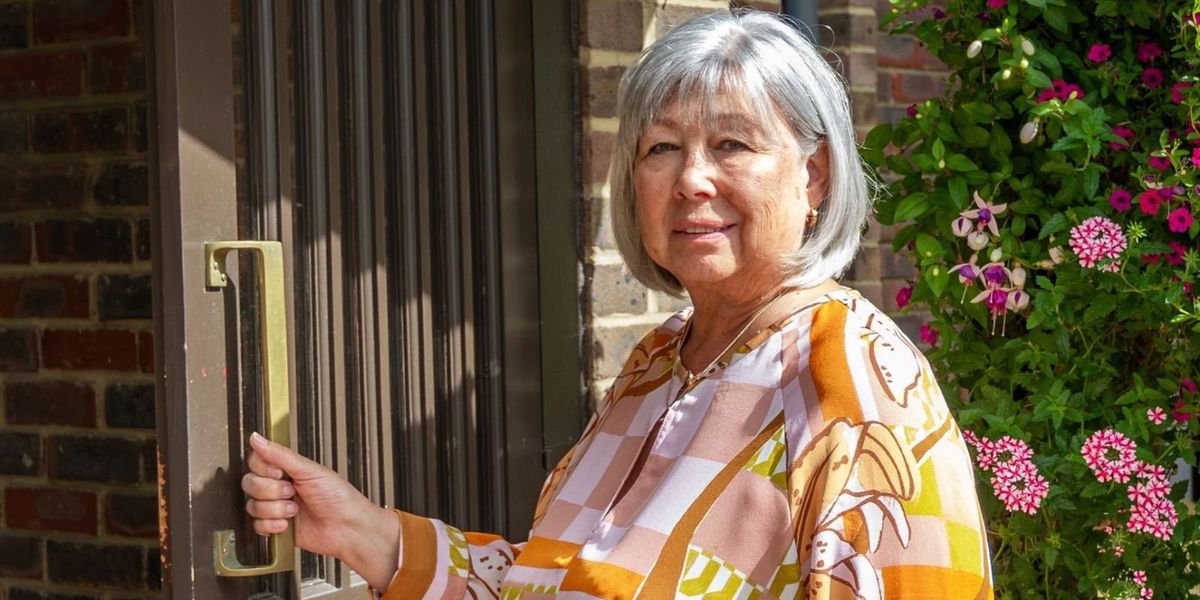
Sandra Tuson, 70, was unexpectedly told she had to leave her privately rented home, leaving her worried about finding somewhere secure to live.
The former district nurse wanted a long-term home where she could settle without having to worry about moving again.
Ms Tuson and her two daughters began looking for a new home and eventually found a one-bedroom flat at Hedingham Place, a retirement community in Essex, through retirement rental company My Future Living.
Before retiring at 65, Ms Tuson worked as a district nurse before taking on a role assessing qualifications in Health and Social Care.
Now living on her pension, she says having predictable household costs makes it easier to manage her money.
One of the main benefits of retirement renting is that she does not have to worry about unexpected maintenance and repair bills.
Ms Tuson said: “I like knowing that I’m in control of my pension and my outgoings. If something breaks or needs repairing, I don’t have to worry about unexpected maintenance costs.”
Since moving, she has also made new friends and become the community’s social organiser.
She now arranges activities for other residents, including fish and chip evenings, pub lunches, cream teas and film nights.
She has built a circle of friends on her doorstep, something she says matters as much as the financial security.
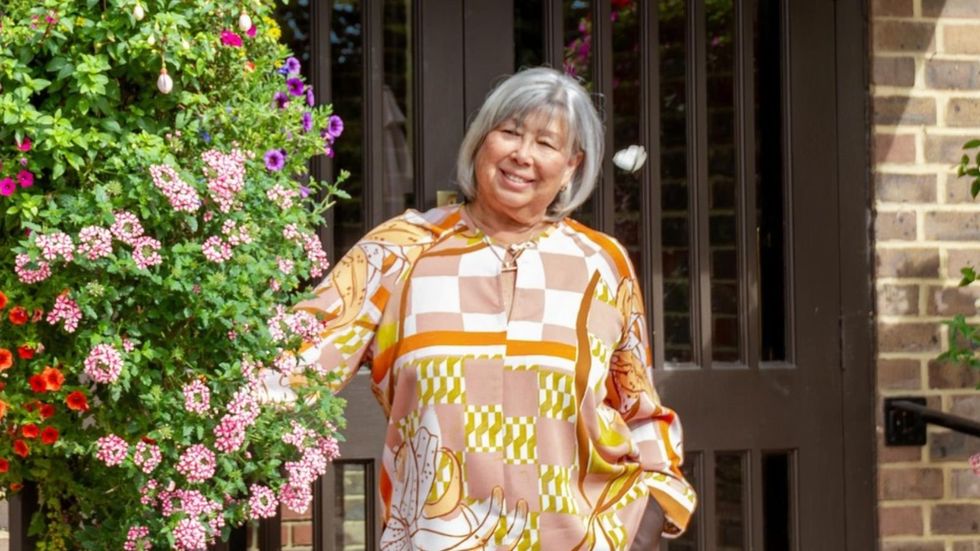
Sandra has built a circle of friends on her doorstep, something she says matters as much as the financial security
|
MYFUTURELIVING
“There are lots of people around for support, but everyone also respects each other’s privacy,” she says.
Ms Tuson says she would recommend retirement renting to friends thinking about downsizing.
Ms Tuson’s experience reflects a much broader shift in how people in Britain will spend their later years.
Research commissioned by the Association of British Insurers and carried out by the Pensions Policy Institute projects that one in three pensioner households could be renting by 2044.
The number of pensioners renting privately is expected to more than triple over the next two decades, rising by 1.3 million people. Nearly two million additional retirees are forecast to enter old age without owning a home.
The financial pressure is significant. Renting a two-bedroom property privately over the course of retirement costs between £200,000 and £400,000, according to the analysis. The average defined contribution pension pot stands at £154,000, dropping to £105,000 for women.
Women face particular vulnerability. Divorced women aged 60 to 64 hold just £35,000 in pension savings on average, less than a third of what divorced men have saved.
Single-person households, which make up roughly 30 per cent of all UK households, face additional strain because housing and bills cannot be shared.
The housing challenge is compounded by anxiety within families. Research from Age UK found that 6.6 million adults aged 40 to 60 who expect to support an older parent worry they would not know what to do or how best to help. More than a third say they would be unsure how to respond if their parent became isolated or lonely.
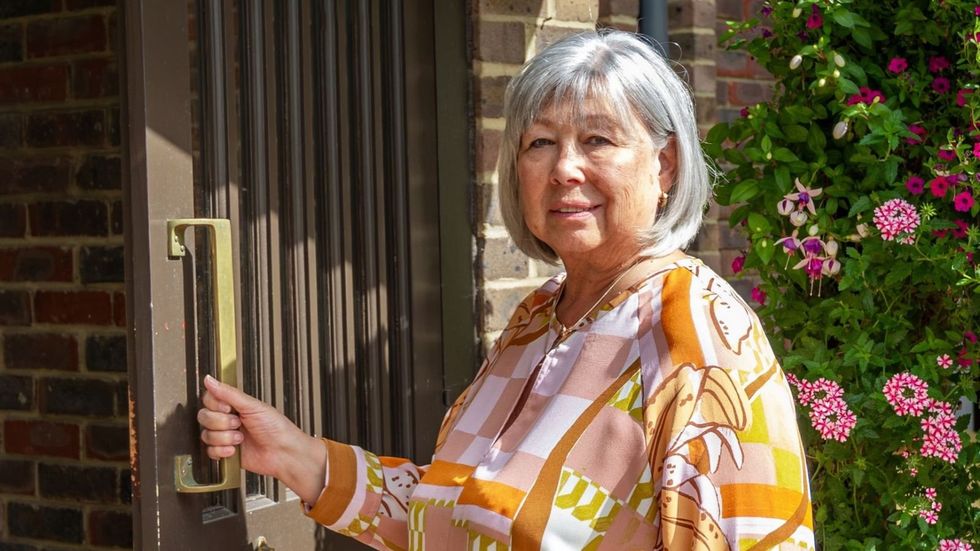
Since moving, she has also made new friends and become the community’s social organiser
|
MYFUTURELIVING
For Ms Tuson’s two daughters, knowing their mother lives in a secure community with people around her has eased those concerns.
Joanne Couch, Director of Finance and Operations at My Future Living, said: “For families, it can be a comfort to know that a parent has people around them and opportunities to stay active and connected.”
Dr Yvonne Braun, Director of Long-Term Savings Policy at the ABI, said homeownership was once a cornerstone of financial security in retirement, but for many younger people it will no longer be the norm.
She said policymakers need to rethink what an adequate retirement looks like.