
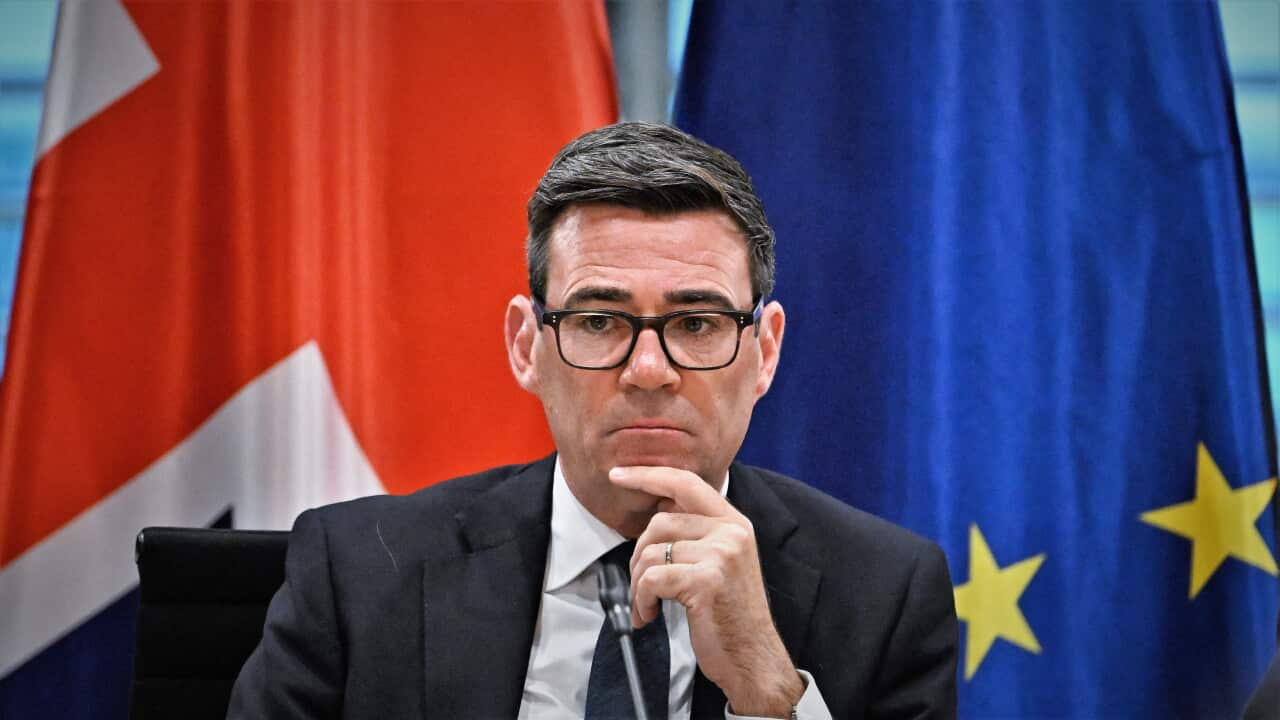
in briefAndy Burnham confirmed Downing Street advisers verified Russian interference in the 2016 Brexit referendum.The British leader now plans to push Parliament for closer ties with Europe.
UK Prime Minister Andy Burnham has broken Whitehall silence to say Russia interfered with Britain’s vote to leave the European Union in 2016 — and that countries across Europe now face similar threats from Moscow.
In an interview with The Rest Is Politics podcast, the UK leader said that when he became prime minister in July, he sought high-level advice over whether Russia had interfered with the Brexit referendum and was told that it had.
He went on to warn that voters in France and Germany who will soon go to the polls could face similar Moscow-backed efforts to influence their politics.
Burnham is the first British prime minister to openly assert Russian interference in the Brexit vote. However, he did not elaborate further on the evidence he had seen to support his claim.
“I asked the question coming to Downing Street, was there interference in the 2016 referendum from Russia? And I’ve had the clear answer that yes, there was,” he told hosts Alistair Campbell and Rory Stewart.
Your trusted source for staying up-to-date with the world around you. Get free daily news updates and analysis, straight to your inbox.
“These things are important now to put clearly on the record, and I believe, help voters in Germany and France understand that some of this politics is instigated via our enemies, namely Russia.”
Burnham’s comments come as UK intelligence agencies warn about the increasing threat of Russian interference in Britain’s democratic institutions.
Europe under similar attack
On a recent visit to Europe, Burnham said he spoke to German Chancellor Friedrich Merz about possible links between Russia and the far-right Alternative for Germany party when the two leaders met in Berlin.
“You know, he was saying to me that the AfD are clearly linked to Russia, funded I believe,” Burnham said. “There is certainly misinformation, disinformation that is emanating from Russia into German politics,” he added.
Speaking to Times Radio on Monday, Foreign Office minister Stephen Doughty declined to provide details of Russia’s actions against the UK in 2016.
“But what is clear is that Russia is attempting to interfere in democratic processes, not just in the UK but across Europe,” he said.
READ MORE
The Russian embassy in London did not immediately respond to a request for comment.
Russia has previously denied meddling in the Brexit vote, casting Britain as gripped by anti-Russian hysteria.
Parliament’s Intelligence and Security Committee found in 2020 that the government failed to fully assess the impact Russian state-run media and “troll” accounts could have had on the EU referendum.
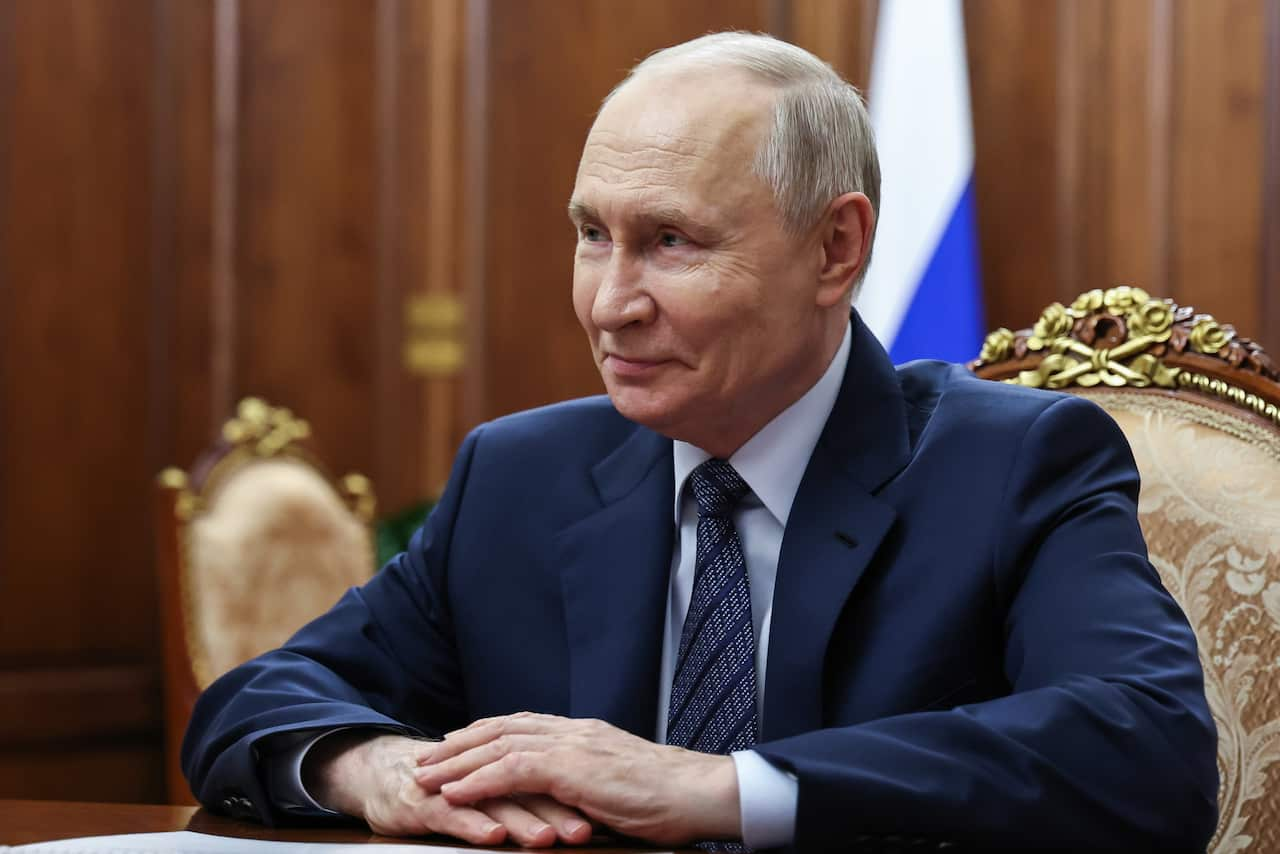 Russian President Vladimir Putin has long been accused of sanctioning ‘hybrid warfare’ disinformation operations against Western nations. Source: AAP / Vyacheslav Prokofyev / AP
The report also found that Russia had sought to influence Scotland’s 2014 independence referendum, in which voters rejected independence.
The UK was plunged into its biggest political crisis since World War II after Britons voted 52:48 per cent to leave the EU a decade ago.
Brexit ‘has not delivered’
In a Commons address on Monday (local time), the Prime Minister is expected to reiterate his argument from the recent Labour Party conference that Brexit has done “more harm than good”.
He will call on all parties to support the Government’s approach in seeking a closer relationship with the EU, arguing such a move could help control immigration and boost growth.
A No 10 source said: “Andy understands why some politicians don’t want to face up to the reality that Brexit has not delivered what they once promised.
READ MORE
“But it is time for a different conversation about what our long-term relationship should be.
“Sticking with the status quo and not working relentlessly to secure a good deal that boosts growth would be a major dereliction of duty.”
At the Labour conference in Liverpool last month, Burnham said he would set out “options” for Britain’s long-term relationship with Europe around the time of a UK-EU summit planned for the end of the year.
He added that he could campaign to take Britain back into the EU at the next general election, reopening the country’s divisive debate on its relationship with the continent.
— With additional reporting from the Reuters and Associated Press news agencies.
For the latest from SBS News, download our app and subscribe to our newsletter.