
Key Points
 A small study found that participants completed more leg extension reps after smelling chocolate than after smelling water.Dark chocolate had the strongest effect, with participants completing about 18 more reps, while milk chocolate was linked to about nine more.Researchers say more study is needed to understand why the effect happened and whether other food smells could work similarly.
It’s no secret that chocolate offers superfood benefits—and apparently, you don’t even need to eat it to enjoy the effects.
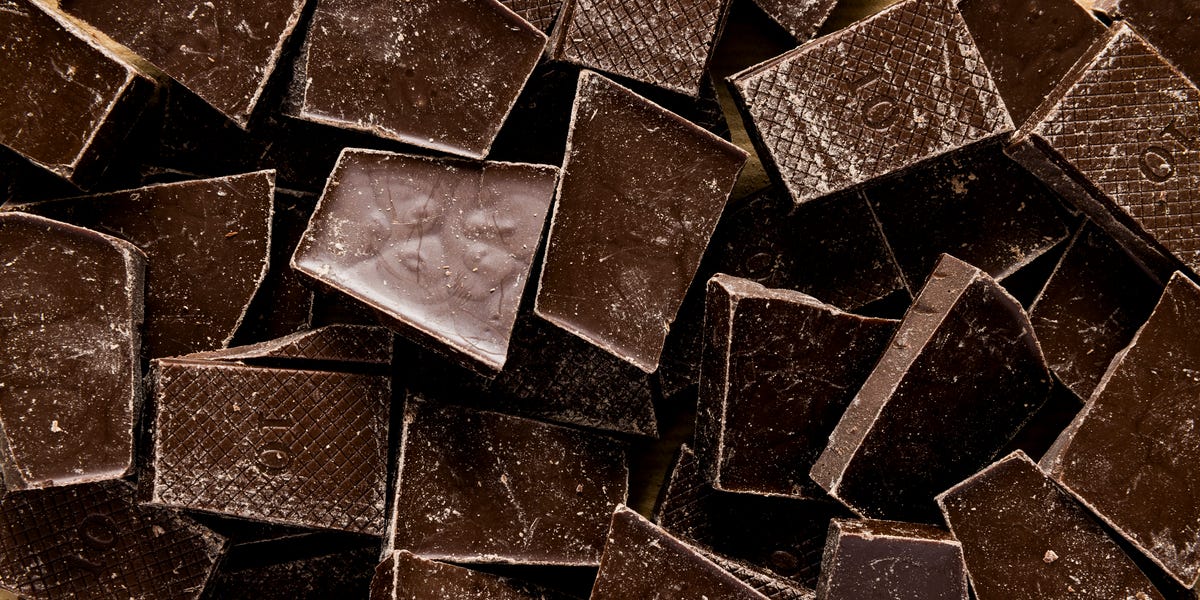
A new study published in Frontiers in Physiology found that simply smelling chocolate before and during a workout helped participants complete more repetitions without making the exercise feel harder. And, perhaps most importantly for anyone who has ever stood over a tray of fresh brownies, dark chocolate appears to have the strongest effect.
Researchers studied 23 healthy, moderately trained men in their early to mid-20s. Before exercising, the participants had gone at least 10 hours without food. They were then exposed to one of three samples: liquefied dark chocolate with 90% cocoa, liquefied milk chocolate with 60% cocoa, or water as a control. After smelling the samples, they performed sets of leg extensions while researchers tracked how many repetitions they could complete, along with hunger, fullness, and their desire to eat.
The chocolate smell seemed to matter.
According to the study, participants exposed to the dark chocolate aroma completed about 18 more leg-extension reps than those in the water control group. The milk chocolate group completed about nine more reps. Even more interesting, the participants didn’t report feeling like they were working any harder.

Add Delish as a preferred source in your Google search results.
Use your Google account to add this to your settings.

Add to Google settings
The two chocolates also affected appetite differently. Smelling dark chocolate was associated with less hunger, a lower desire to eat, and greater feelings of fullness before exercise. Milk chocolate, meanwhile, was rated as the more pleasant smell, but didn’t significantly change hunger or appetite.
So why would smelling dessert do any of this?
The researchers think familiar food smells may cue the brain to anticipate eating. In other words, your body has spent years learning that the smell of chocolate usually means chocolate is coming, and that expectation could influence both appetite and motivation before a single bite hits your mouth.
However, there are some important limitations. The study was small, included only young men who already exercised regularly, and didn’t measure hormones or brain activity, so researchers still don’t know exactly why the effect happened. They also noted that the dark and milk chocolate samples may not have smelled equally intense.
And before you start bringing a chocolate bar to the gym strictly for aromatherapy purposes, researchers don’t yet know whether chocolate is uniquely effective. Other familiar foods that people associate with feeling full or satisfied could potentially produce similar results, but that hasn’t been tested yet.
Still, I’ll take any study that gives me another reason to keep chocolate nearby.