
For boutique private banks with a high proportion of discretionary clients, the challenge of improving the advisory platform is less about transformation than about dynamic adjustment. The foundations may already be in place, but the question of how to incorporate new tools, accommodate increasingly complex portfolios and maintain the human relationships that underpin the model requires ongoing attention rather than wholesale reinvention.
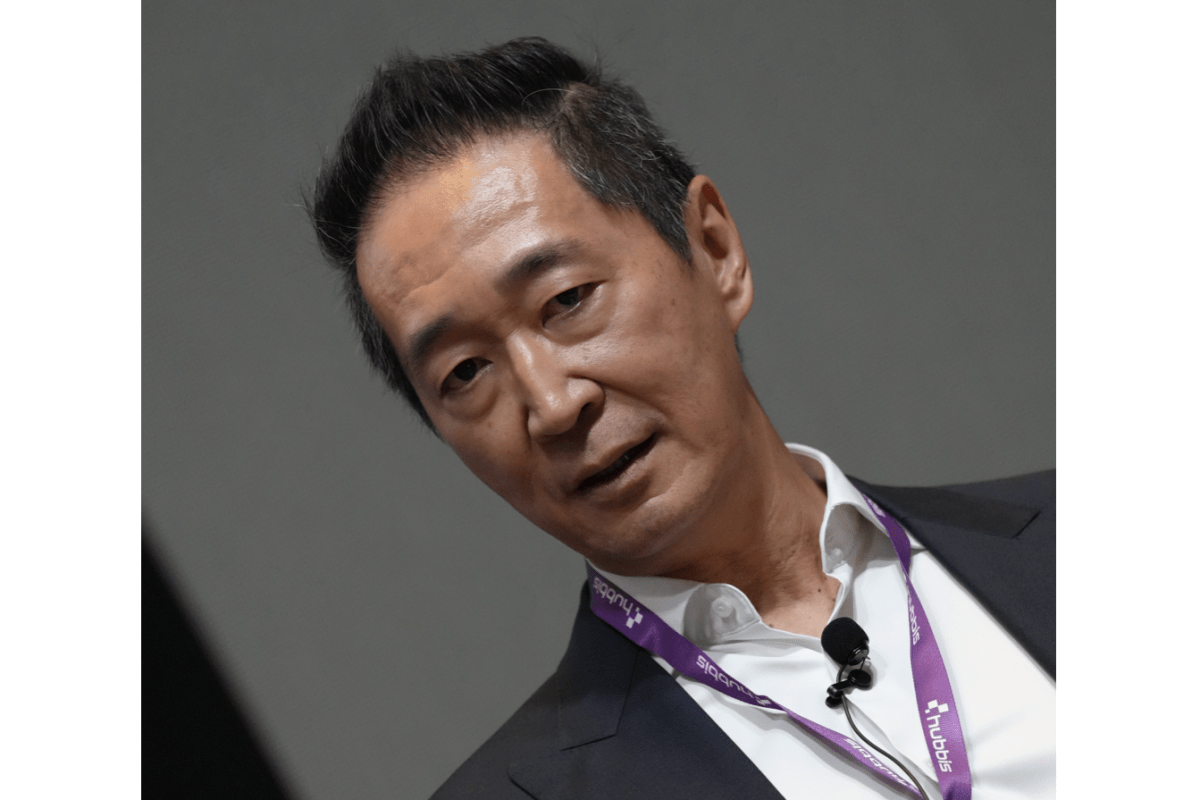
At the Hubbis Investment Forum Singapore 2026, a panel titled Inside the Engine Room examined how leading institutions are investing in their platforms to deliver better advice at scale. The discussion, chaired by Brett Kennedy, Managing Director for Investments at Hubbis, brought together investment leaders from across private banking and independent wealth management. Ron Lee, Executive Director for Investments at Bordier & Cie Singapore, described how the firm is refining its approach across three areas, how its unified investment team structure supports a high discretionary mandate ratio, and why the human element remains central to client relationships even as the firm begins to deploy AI tools.
Key Takeaways
Bordier & Cie is making what Lee described as dynamic adjustments rather than wholesale changes, with a focus on strengthening the total portfolio approach, deepening customisation and improving transparency.
Lee said Bordier has a relatively high proportion of discretionary clients and pointed to its boutique model and integrated investment-team structure as features of the proposition.
Customisation extends to incorporating shareholder and company director holdings alongside private and public assets, with flexible mandate structures that accommodate client-directed positions.
Transparency covers not just fees but the entire investment process, including how decisions are made and how products are selected, according to Lee.
AI is being used to process data and information, but Lee emphasised that the value lies in the judgment the firm applies to that information, and that in volatile markets, clients want to speak to a person they trust.
Dynamic Adjustment, Not Transformation
Lee was direct about where Bordier & Cie sits in the discussion about platform change. Rather than describing a programme of transformation, he characterised the firm’s approach as dynamic adjustment. Three areas came to mind, he said.
The first is a strengthened focus on the total portfolio approach, which he said involves looking at asset classes both individually and in combination. The second is what he described as meaningful customisation, which extends beyond conventional portfolio construction to incorporate specific holdings such as company director shareholdings, as well as the combination of private and public assets within a single view. The third is an emphasis on what Lee called greater transparency, covering not just fees but the full investment process, including how decisions are made and, he noted, how products are selected.
A Unified Team and a High Discretionary Ratio
Lee described one structural feature of Bordier & Cie that he said supports the firm’s approach: the investment team is unified, combining advisory staff and the discretionary management team within a single group. Lee said Bordier’s investment team brings advisory and discretionary professionals together within one structure, which he presented as helping maintain consistency across the firm’s investment approach.
He noted that the firm’s percentage of discretionary clients relative to advisory clients is high compared with the broader market, and described this as an advantage of being a boutique bank. Maintaining that ratio, he said, depends on several things.
One is flexibility. Lee said the firm allows clients to participate in investment decisions alongside their discretionary mandate. For clients on a standard mandate, defined by risk profile categories such as growth or income, the main portfolio sits within the mandate, while a sub-portfolio accommodates positions the client wishes to add on their own. For clients who want more involvement, Bordier & Cie offers bespoke mandates with greater scope for tailoring.
On reporting, Lee said the firm always starts with the consolidated view before moving to individual portfolios. Private assets, he noted, are incorporated within this consolidated picture. “At the end of the day it’s all looked at,” he said, describing the holistic reporting approach as an important part of maintaining the discretionary relationship.
Lee also suggested that the firm avoids being overly restrictive about what can sit within or alongside a mandate. Rather than declining to include an asset class such as private equity on liquidity grounds alone, the firm seeks to incorporate client holdings and assess them within the broader portfolio context.
AI as an Information Tool, Not a Replacement
On the subject of AI, Lee’s position was grounded in a distinction between processing information and making sense of it. He said the firm is using technology to handle data and information, but that the differentiating factor is the judgment the team applies to what that technology produces.
He referenced the point, raised by other panellists, that clients are increasingly arriving at meetings having used AI tools to analyse their own portfolios and generate ideas. Lee said the question for the firm is what sense it can make of that input. “We need to be able to identify what the signal means in a practical way,” he said. “There is only that much that AI can do.”
His strongest emphasis was on the limits of technology in moments of market stress. In volatile markets, Lee said, clients do not want to just interact with a tool. “They want communication, somebody they can trust, somebody real,” he said.
Lee noted that in the bank, technology is used to complement rather than replace direct human contact. Clients, he said, still want the ability to have a conversation with the firm directly. The tools implemented serve as a link between the client and the firm, providing more immediate access to information and facilitating engagement, but the relationship itself remains between people.
The Boutique Proposition
Lee’s contributions across the panel reflected a consistent theme: that for a boutique institution with an established discretionary culture, the priority is to refine and deepen the existing model rather than to rebuild it around new technology. The unified team structure, the high discretionary ratio, the flexibility around mandate customisation and the commitment to consolidated reporting are all features he described as already working well.
Where the firm is evolving, it is doing so incrementally, adding AI-assisted tools for information delivery while preserving the direct human relationships that Lee identified as the foundation of client trust. Lee’s comments portrayed technology as an extension of Bordier’s existing model rather than a substitute for it. The firm’s discretionary culture, mandate flexibility and consolidated portfolio view provide the framework, while new digital tools are intended to improve access to information and support client engagement. His central point was that technology can enhance the service, but interpretation, communication and trust remain human responsibilities.