
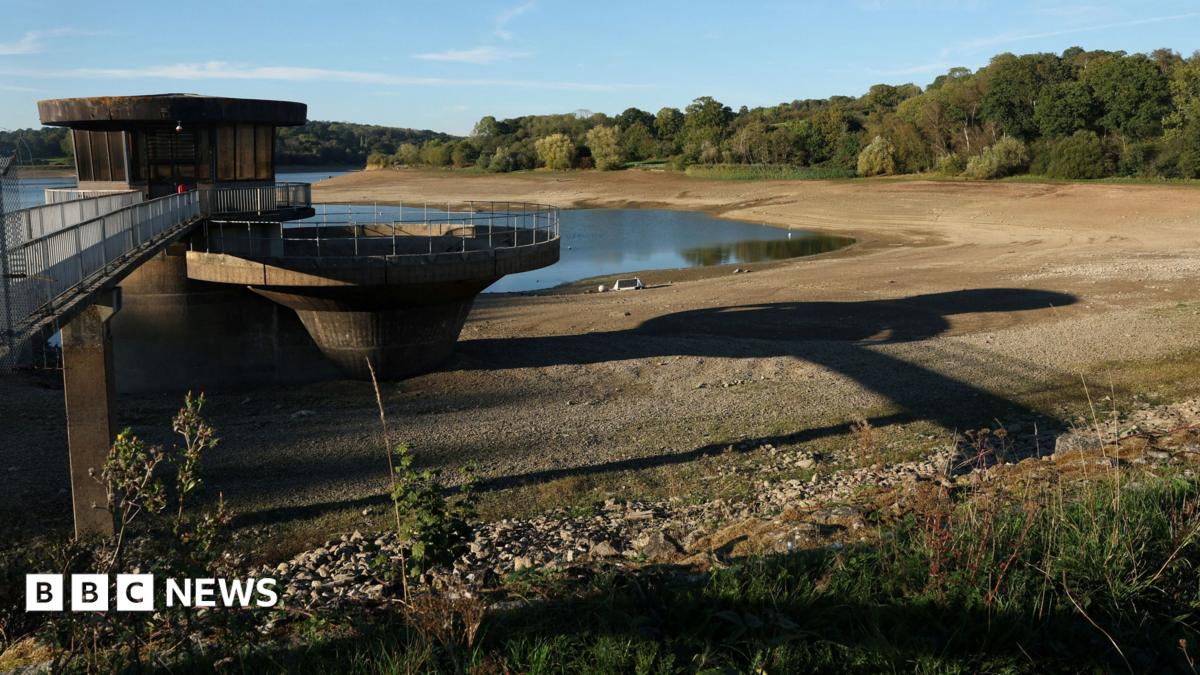
A hosepipe ban has been in force across Devon, Cornwall, the Isles of Scilly and parts of Dorset and Somerset since 8 August and there is no definite end date.
South West Water said a “prolonged period of hot and dry weather” along with “continuous high demand for water” was behind the ban.
South East Water’s operations director Douglas Whitfield said standpipes remained part of the company’s drought plan but were unlikely to be needed.
Whitfield said a wet winter had been forecast but timings were not clear and the firm was making any adjustments it could to protect supplies.
Whitfield said South East Water, which supplies more than two million customers, said 92 repair crews were out across Sussex and Kent tackling leaks to minimise loss from the network.
In an email sent to customers South East Water said it was optimising water pressure across the county and had more than doubled the number of teams tackling leaks in the region, increasing from seven to 16.
It said the number of leaks in the affected area had fallen from 181 to 97 and that more than 1,300 leaks had been repaired since 1 April.
Wessex Water, which supplies customers from Wimbleball, introduced its first hosepipe ban in 50 years in August and said the restrictions would remain in place for the foreseeable future.
The water company said it had increased leak repairs, moved water into the area from more resilient sources and adjusted water pressure in some communities to conserve supplies and urged customers to continue using water carefully.
Follow BBC Cornwall on X, external, Facebook, external and Instagram, external. Follow BBC Devon on X, external, Facebook, external and Instagram, external. Send your story ideas to spotlight@bbc.co.uk, external.